Regular professional cleanings prevent cavities, gum disease, and tooth loss by removing the hardened plaque a toothbrush cannot reach. Brushing and flossing at home only does part of the job. A professional cleaning clears away that buildup, and it gives Dr. Estrada a close look at your teeth and gums while everything is fresh and clear. Many of the problems we treat could have stayed small if they had been caught at a routine cleaning. Here is what actually happens during a visit, why it matters more than most people realize, and how often you should come in.
What Happens During a Professional Cleaning
A cleaning is more than a quick polish. First, our hygienist uses small instruments to scale away plaque and tartar from the surface of each tooth and along the gumline, including the spots between teeth where a brush slides right past. Next comes polishing, which smooths the enamel and lifts surface stains from coffee, tea, and other everyday habits. Finally, Dr. Estrada examines your teeth and gums, checking for soft spots, redness, and anything that has changed since your last visit. The whole appointment is gentle and usually finished in well under an hour.
Why Brushing Alone Is Not Enough
Good home care keeps plaque under control, but it cannot remove tartar. Plaque is a soft, sticky film that hardens into tartar within a day or two if it is not brushed and flossed away. Once it hardens, no toothbrush, floss, or rinse will lift it. Only the instruments we use in the office can. Tartar tends to collect along the gumline and between teeth, the very places that are hardest to reach, and left alone it irritates the gums and feeds the bacteria that cause decay and gum disease.
How Cleanings Catch Problems Early
A cleaning visit is also an exam. While your teeth are clean and easy to see, Dr. Estrada looks for early cavities, worn fillings, cracks, and the first signs of gum trouble. Catching these early often means a simpler fix and a more comfortable one. A small cavity is far easier to handle than one that has spread, and gum inflammation caught early is reversible. This is also why regular dental X-rays are part of preventive care, since they reveal problems hiding between teeth and below the gumline.
The Whole-Body Connection
Your mouth does not work in isolation. Research has connected poor oral health to conditions throughout the body, including heart disease and diabetes, and groups like the CDC have documented the tie between gum health and overall health. The inflammation and bacteria from neglected gums can affect more than your smile, and people managing diabetes often find their numbers are easier to control when their gums are healthy. Keeping up with cleanings is one simple step that protects more than your teeth, a link we explore in our post on how gum disease affects the body.
How Often Should You Come In
For most people, a cleaning every six months keeps plaque and tartar under control and lets us catch small issues early. Some patients need to come in more often. If you have a history of gum disease, frequent cavities, dry mouth, or you smoke, Dr. Estrada may recommend a shorter interval to stay ahead of trouble. Your needs can change over time too, so the right schedule is something we set together at your visits rather than a one size fits all rule.
Between Visits
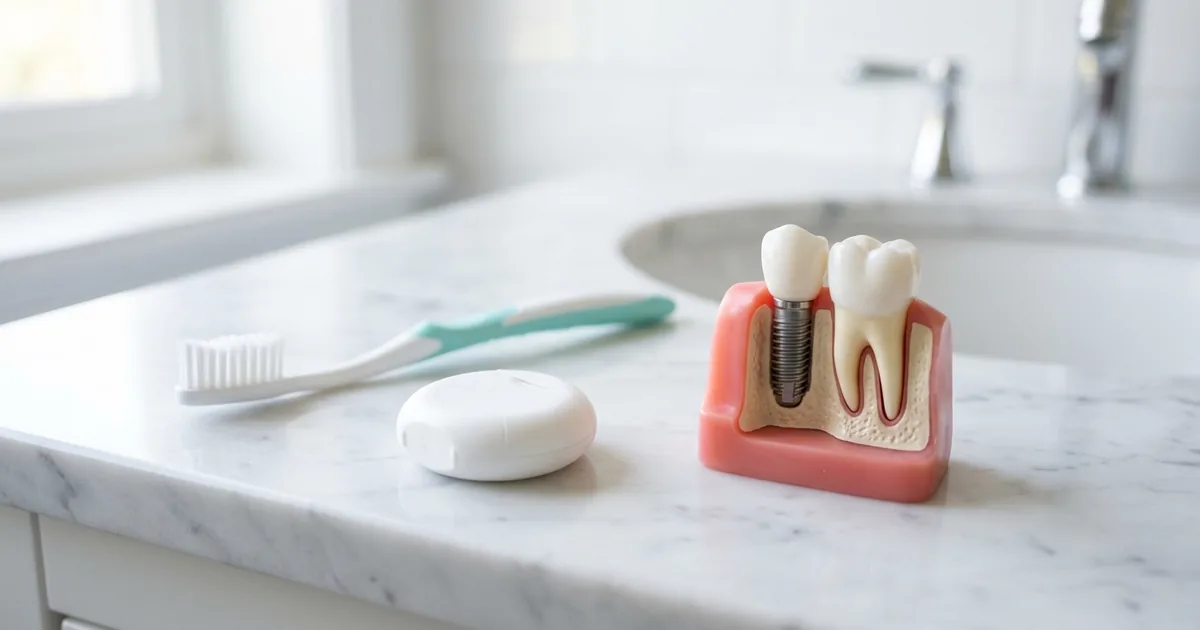
What you do at home between cleanings matters just as much as the cleaning itself. Brush twice a day with a soft-bristled brush, floss once a day to reach what the brush misses, and drink water through the day to rinse away food and acid. These habits slow the buildup of plaque so there is less work to do at each visit and less chance of a problem taking hold. Think of home care and professional cleanings as two halves of the same plan.
Staying on a steady schedule is one of the simplest things you can do for your long-term health. Our professional cleanings are a small step that goes a long way, and when a cleaning uncovers bleeding gums we move to gum disease treatment before it costs you a tooth toward keeping your smile healthy. If it has been more than six months, give us a call at (727) 869-3886 and we will get you on the schedule.
Frequently Asked Questions
How often should I get a dental cleaning?
For most people, a professional cleaning every six months keeps plaque and tartar under control and lets Dr. Estrada catch small issues early. If you have gum disease or a history of frequent decay, he may recommend coming in more often. Your needs can change over time, so the right schedule is something we set together at your visits.
Why do I need a cleaning if I brush and floss at home?
Brushing and flossing are essential, but they cannot remove tartar, the hardened plaque that builds up even with good habits. A professional cleaning clears tartar from spots a toothbrush cannot reach and includes an exam that spots problems before they grow. The two work together: home care between visits, professional cleanings to finish the job.
Does a dental cleaning hurt?
For most patients a routine cleaning is comfortable and only takes a little time. If your gums are sensitive or inflamed you may notice some tenderness, which usually eases as your gum health improves with regular care. If you feel anxious about the visit, let us know and we will make sure you are comfortable.
Why do my gums bleed during a cleaning?
Gums that bleed during a cleaning are usually inflamed from plaque and tartar along the gumline, an early sign of gingivitis. It is not a reason to skip cleanings; it is a reason to keep them. As your gum health improves with regular care and good home habits, that bleeding typically settles down on its own.