After a tooth extraction, anything that sucks, pulls or heats the socket can dislodge the clot that protects it, so straws, smoking and vaping all wait. Alcohol waits too, because it slows healing and should never mix with pain medicine or same-day sedation. The wait times to follow are the ones on the written aftercare you go home with, and the first 24 hours is the floor for all of them, with longer being better.
Why do these things matter after an extraction?
A blood clot forms in the empty socket within the first day and protects the bone and nerve endings underneath while new tissue grows over them. Suction from a straw or a cigarette pulls on that clot, heat softens it, and the chemicals in smoke irritate the wound. Lose the clot early and the bone is left open, which is the painful condition called dry socket. Our post on how to tell dry socket from normal healing explains what it feels like and how it is treated.
Mayo Clinic's page on dry socket lists smoking and tobacco use among the main risk factors. The chemicals in cigarettes can contaminate the wound, and the act of drawing on a cigarette can loosen the clot. The written aftercare that comes home with every patient after tooth extractions at this office repeats the rule for the first days: no spitting forcefully, no straws, and no smoking.
How long after an extraction can you smoke or use a straw?
Every item in the table waits at least the first days, and smoking and vaping wait as long as you can manage.
| What to avoid | Why | How long | Instead |
|---|---|---|---|
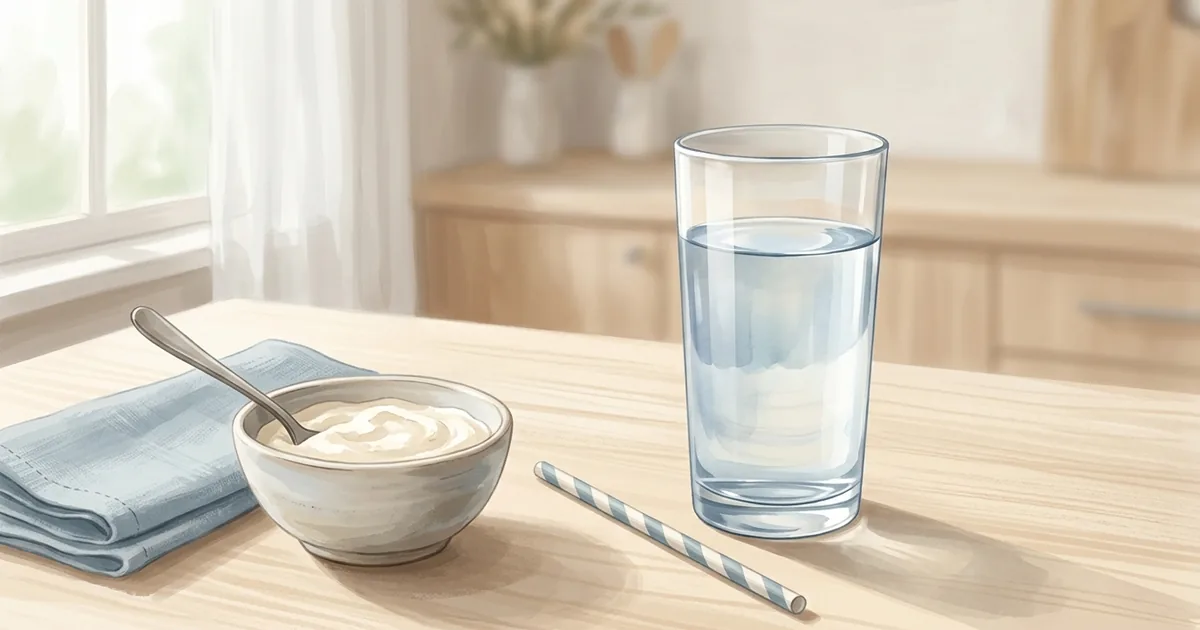
| Drinking through a straw | Suction pulls on the clot | The first days at least | Sip from the glass or use a spoon |
| Smoking | Suction, heat and chemicals in the smoke | As long as you can, the first days minimum | See the plan below if quitting is not realistic |
| Vaping | Same suction and heat, plus its own chemicals | Same as smoking | Same as smoking |
| Alcohol | Slows healing, dangerous with pain medicine or sedation | Until you are off both, and the first days | Water, milk, cooled broth |
| Hard exercise | Raises blood pressure, can restart bleeding | The first day, then ease back in | Rest, short walks |
| Forceful spitting or rinsing | Can pull the clot out | The first day, then gentle rinses | Let water fall out over the sink |
| Hot drinks | Heat softens the clot | While the area is tender | Warm, from a cup |
Warm salt water rinses start on the second day, not before, and they are gentle. Tilt your head from side to side and let the water fall out over the sink without spitting. For the full recovery schedule, including what to eat and when, read the day by day extraction recovery guide.
Is vaping any different from smoking?
No, as far as the socket is concerned. Drawing on a vape takes the same suction as drawing on a cigarette, the vapor is hot, and the liquid carries nicotine and other chemicals that slow healing. Nothing about it is gentler on a fresh wound, so vaping gets the same wait as smoking. Switching to vaping for the first days makes no difference to the socket.
What if I cannot go a week without smoking?
Wait as long as you can, and then, if you do smoke, do it the way that disturbs the socket least. Take shallow, gentle draws, keep the cigarette on the other side of the mouth from the socket, rinse gently with water afterward, and keep it to as few as possible for the first week. Do not cover the socket with gauze to smoke through, which traps smoke against the wound and can pull the clot out with the gauze.
Nicotine patches and nicotine gum are a question for your physician, since what they do for healing and for your heart is a medical call. If you have extractions planned a few weeks out, that conversation is worth having beforehand. Either way, call at the first sign of pain that is getting worse instead of better. A smoker's socket that starts to ache on day three is the one we want to see that day.
Can I drink alcohol after a tooth extraction?
Wait, and keep one rule above all. Do not mix alcohol with any pain medicine or sedation you were given. Alcohol also widens blood vessels, which can restart bleeding from the socket, and it dries the mouth, which slows the healing of the gum over the clot. The ADA's MouthHealthy guidance on extractions puts alcohol on the same list as straws and smoking for the first day after a tooth comes out.
If you had oral or IV sedation for the visit, the rest of that day is for resting while it wears off, and alcohol has no place in it. Our post on recovering after dental sedation explains what that day looks like. The choices before the visit are in our post on sedation for extractions and oral surgery.
When does a healing socket need a call?
Call if any of these shows up:
- pain that is getting worse around day three instead of better
- a bad taste that rinsing does not clear
- a socket that looks empty where the dark clot used to be
Those are the signs of a lost clot, and the fix is usually a short visit in the chair.
For ordinary soreness, an over-the-counter pain reliever you already know is safe for you, taken as the label directs, is the starting point. Check with your doctor or pharmacist first if you take a blood thinner, have kidney, liver or stomach problems, or are pregnant.
A few signs mean the hospital first:
- trouble breathing or swallowing
- swelling that reaches the eye, spreads down the neck or under the jaw
- fever with facial swelling
- cannot open the mouth
- bleeding that will not stop with firm pressure
- confusion, rapid heartbeat, or feeling very unwell
- a knocked or loose tooth after a blow to the head with any loss of consciousness
Those mean the emergency room or 911 now, then call the office so the tooth itself gets treated.
We are open Monday through Friday, 9:00 AM to 5:30 PM. Outside those hours, leave a message, and urgent calls are returned first thing. Call (727) 869-3886 or use our contact page if the socket is worrying you. This article is general information, not a diagnosis. The exam shows whether the clot is in place and what the socket needs.
Frequently Asked Questions
Can I drink coffee or tea after a tooth extraction?
Yes, once it has cooled to warm and you drink it from a cup, never a straw. Heat can soften the clot, so let coffee or tea cool for the first day or two and skip the extra-hot refill. Skip anything carbonated for the same stretch, since the fizz can irritate the socket. Milk or a little cream in it is fine.
Does chewing nicotine gum count as smoking after an extraction?
Not in the way that matters most, because there is no suction and no heat. Chewing on the extraction side can still disturb the clot, and nicotine itself narrows blood vessels and slows healing wherever it comes from. Keep any gum on the other side, keep it brief, and ask your physician before using any nicotine replacement, since that advice belongs to them.
Can I use a straw for a protein shake if I sip gently?
No. Even a gentle sip creates suction in the mouth, and it is the suction that pulls on the clot, however slowly you draw. Pour the shake into a glass and drink from the rim, or eat it with a spoon from a bowl, which also keeps you from taking it too cold. Straws come back after the first days once the socket has closed over.
How do I know the clot is still in place?
Look at the socket in a mirror with good light after the first day. A clot in place looks like a dark red or brownish plug filling the hole, and the pain eases a little each day. A lost clot leaves an empty-looking socket, sometimes with pale bone visible, and the pain starts getting worse around day three with a bad taste. If you cannot tell, call and we will look.