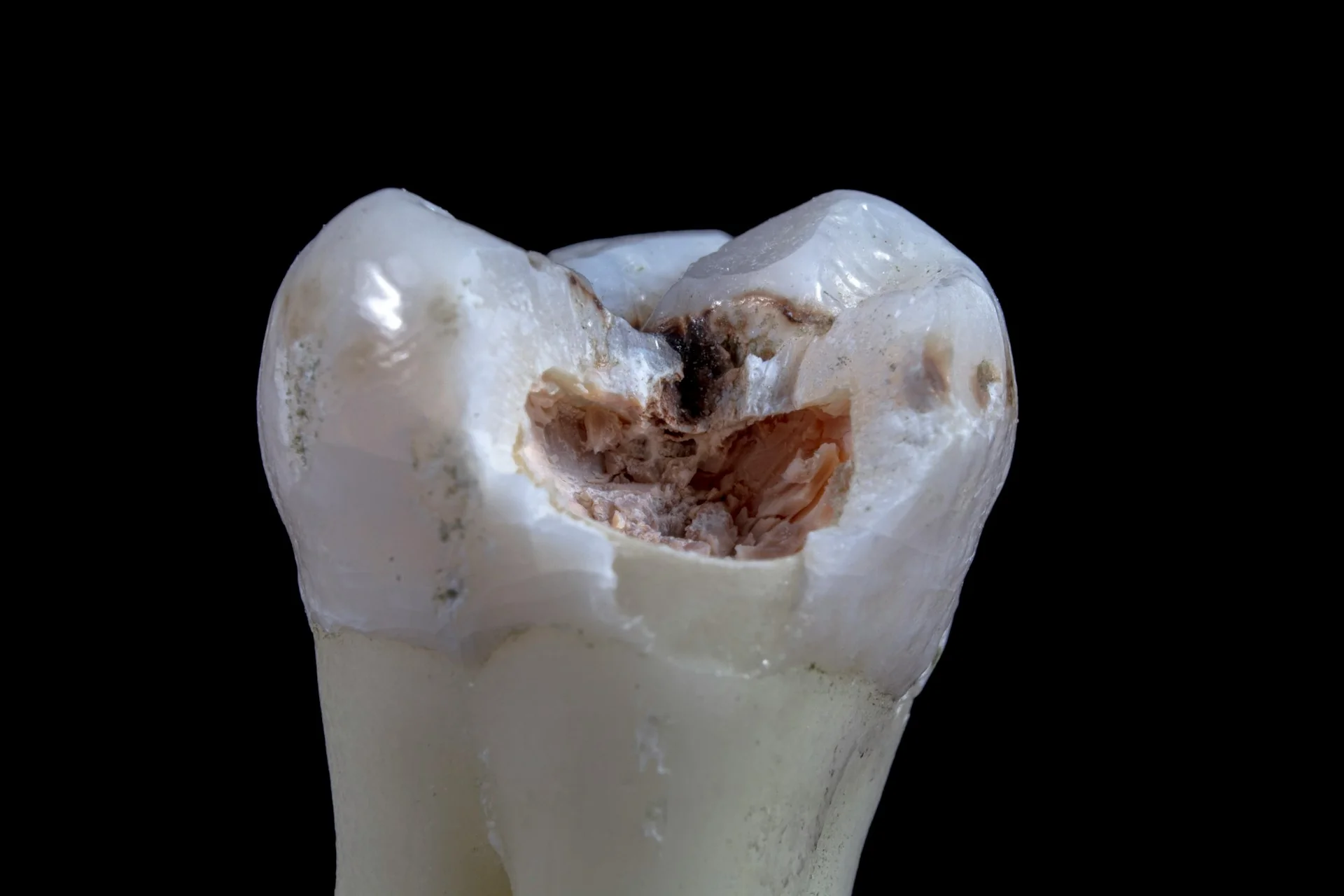
Most tooth extraction recovery comes down to five things: rest, soft foods, protecting the blood clot, staying ahead of pain, and keeping the site clean. Get those right and the worst is usually over in two or three days. The same habits carry you through implant placement and most other oral surgery, so this guide covers all of them.
How Long Tooth Extraction Recovery Takes
For a routine extraction, most people are past the sorest stretch within 48 to 72 hours and back to a desk job the day after surgery. The socket itself follows a longer schedule. The blood clot forms in the first 24 hours, gum tissue starts closing over the site within a week to ten days, and the bone underneath keeps filling in quietly for a few months after the surface looks healed. Surgical extractions, wisdom teeth, and multiple teeth at once sit at the slower end of that range, and Dr. Estrada will tell you where your procedure falls. What speeds recovery up is boring consistency: rest on day one, soft foods for the first few days, and hands off the site while the clot does its work.
The First 24 Hours Matter Most
The day of surgery sets the tone for everything that follows. Your job on day one is simple: go home, take it easy, and leave the surgical site alone. Bite gently on the gauze we send you home with until the bleeding slows, keep your head elevated when you lie down, and skip anything strenuous. A little oozing and pink-tinged saliva are normal for the first day. What you are protecting is the blood clot forming in the socket, because that clot is the foundation your body builds new tissue on. No straws, no spitting, no smoking, and no poking at the area with your tongue, however tempting that is.
First, follow all of Dr. Estrada's aftercare instructions carefully. This will include advice on how to keep the surgical site clean, what foods to avoid, and how to manage discomfort. Those instructions are tailored to your specific procedure, so when they differ from something you read online, the instructions win.
What to Eat While You Heal
Sticking to soft foods in the first few days prevents irritation while still giving your body the nutrients it needs to heal. Yogurt, mashed potatoes, smoothies eaten with a spoon, scrambled eggs, applesauce, soup that has cooled to warm, and oatmeal all work well. As the site settles down, usually within three or four days, you can move toward pasta, soft fish, and rice before easing back to your normal diet. Hold off on anything crunchy, spicy, or very hot while the area is still tender, and chew on the opposite side of your mouth when you can.
Staying Ahead of Pain and Swelling
Pain is easier to manage when you stay ahead of it, which means taking medication on the schedule recommended rather than waiting for discomfort to build. Dr. Estrada will either prescribe medication or point you to the right over-the-counter option for your situation. For swelling, apply an ice pack to the outside of your face in short stretches during the first day or two, then switch to warm compresses if soreness lingers. Most people find the worst is over within two or three days. If your procedure was a removal, our guide on what to expect during a tooth extraction walks through the same healing timeline in more detail.
Keeping the Site Clean Without Disturbing It
Keeping the surgical site clean is essential for preventing infection, but there is a right way to do it. Skip rinsing entirely for the first 24 hours. After that, gently rinse your mouth with warm salt water as directed by Dr. Estrada, letting the water fall out of your mouth rather than spitting it forcefully. Brush and floss your other teeth normally, just steer around the surgical area for the first few days. Avoid using a straw or spitting hard, since the suction and pressure can dislodge the blood clot and cause a painful condition known as dry socket.
When to Call Us
Some things are worth a phone call rather than waiting out. Bleeding that has not slowed by the evening of surgery, swelling that keeps growing after the third day, a fever, a bad taste that will not rinse away, or pain that gets sharply worse a few days in instead of better can all signal a problem we want to see. None of these are common, but all of them are easier to fix early. Call us at (727) 869-3886 and describe what you are noticing, and we will tell you whether to come in.
By following these tips and attending any necessary follow-up appointments, you'll be well on your way to a full recovery. If you have any concerns during your recovery, don't hesitate to reach out to the team at Estrada Dentistry. You can also learn more about the oral surgery we provide, including tooth extractions and wisdom teeth removal, or how extractions work for patients across Pasco County, or reach out to our office if something does not feel right while you heal.
Frequently Asked Questions
How long does tooth extraction recovery take?
Most people are past the sorest stretch within 48 to 72 hours and back to normal activities after the first day or two. Gum tissue closes over the socket within a week to ten days, while the bone underneath keeps filling in for a few months. Surgical extractions and wisdom teeth heal more slowly, and following Dr. Estrada's aftercare instructions is what keeps the timeline on track.
What can I eat after dental surgery?
Stick to soft foods like yogurt, mashed potatoes, smoothies, and soup for the first few days so you do not irritate the surgical site. Avoid anything crunchy, spicy, or very hot while you heal, and do not use a straw, since the suction can dislodge the blood clot. You can ease back into your normal diet as the area feels better.
What is dry socket and how do I avoid it?
Dry socket happens when the blood clot over the surgical site comes loose, leaving the bone exposed and causing sharp pain. You can lower your risk by not using straws, not spitting forcefully, and avoiding smoking in the days after surgery. If you develop strong pain a few days out, call us so Dr. Estrada can take a look.
When should I call the office during recovery?
Call us if you have heavy bleeding that will not stop, swelling that keeps getting worse after a few days, a fever, or pain that is not improving with the medication recommended. These can be signs of infection or another issue that should be checked. You can always reach our team at (727) 869-3886 if you are unsure.