The most common signs you may need a tooth extraction are lasting tooth pain, swelling around a tooth, a loose adult tooth, and severe decay or gum disease. Tooth extraction is usually a last resort in dental care, but there are times when removing a tooth is the safest way to protect the rest of your mouth. The hard part is knowing when a problem has crossed that line. If you are noticing any of the symptoms below, it is worth having Dr. Estrada take a look so you can find out whether the tooth can still be saved or whether an extraction is the better path.
Persistent Tooth Pain
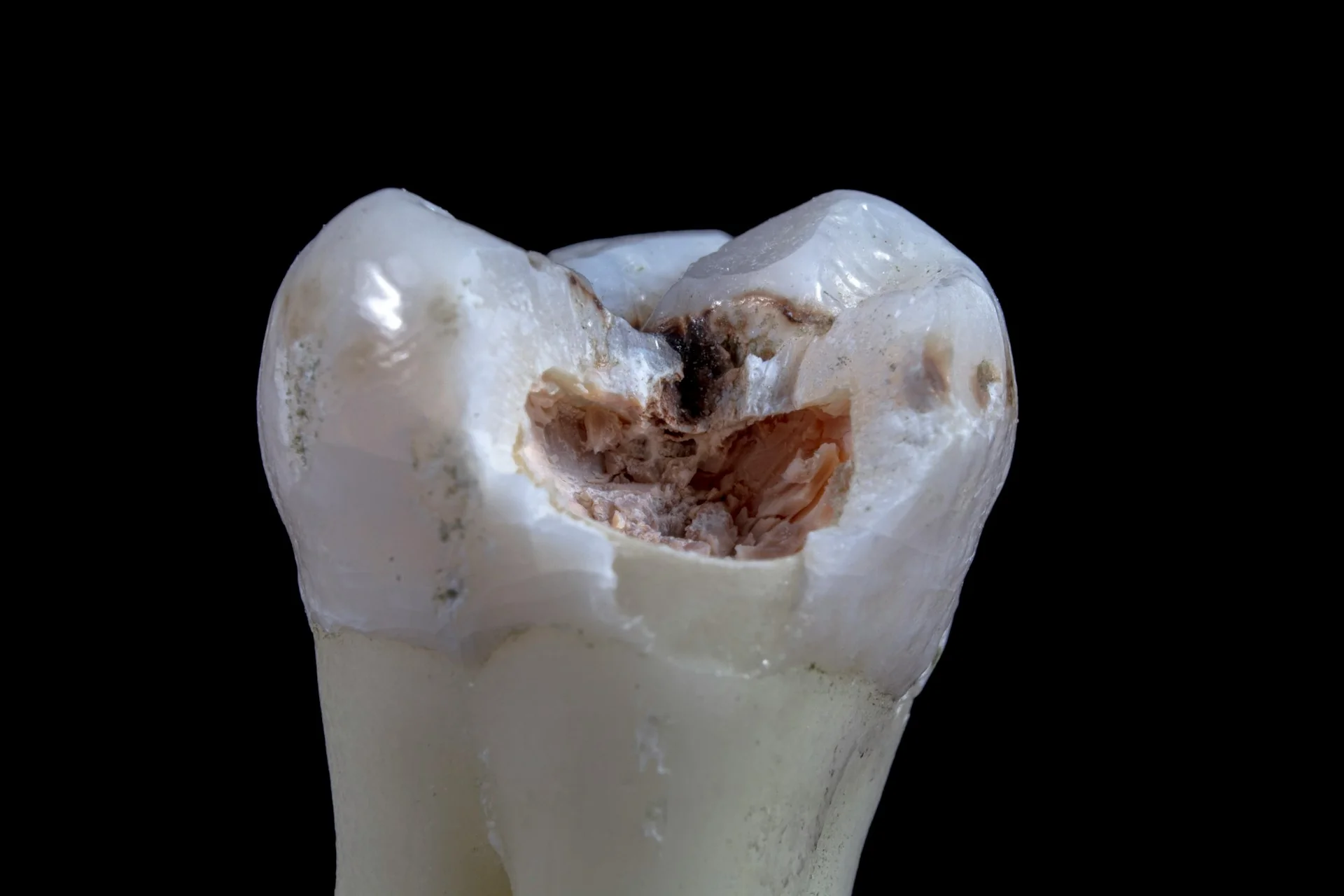
The most obvious warning sign is pain that will not go away. A dull ache that lingers, a sharp jolt when you bite, or throbbing that keeps you up at night all point to something that needs attention. If a tooth is severely decayed or cracked deep below the gumline, it may be too damaged to rebuild with a filling or crown. In those cases, leaving it in place can let infection spread to nearby teeth and bone. Pain is your body asking for help, so the sooner it is checked, the more options you usually have.
Swelling, Infection, or an Abscess
Swelling and tenderness around a tooth or along the gums often signal infection, and an abscess is one of the more urgent forms. An abscess is a pocket of infection at the root or in the surrounding gum, and it can bring a bad taste, fever, or a small bump on the gum that drains. Infection does not stay put. Left alone, it can travel into the jaw and beyond, which is why spreading swelling should be seen quickly. Sometimes the tooth can be saved, but when the damage is too far along, extraction stops the infection from going anywhere else.
Crowding and Impacted Teeth
Not every extraction is about decay. Sometimes teeth are simply too crowded, and removing one or more creates the space needed to keep the rest aligned. Wisdom teeth are the classic example. When they fail to fully emerge from the gums, they become impacted, and impacted teeth can press on neighbors, trap food and bacteria, and cause pain, infection, and shifting. Because they sit so far back and are hard to clean, problem wisdom teeth are often best removed before they cause lasting trouble. Dr. Estrada can tell from an exam and X-ray whether yours are likely to need attention.
Advanced Gum Disease and Loose Teeth
A tooth that feels loose in an adult mouth is a red flag. Often the cause is advanced gum disease, which slowly destroys the tissue and bone that hold your teeth in place. Once that support is badly damaged, a tooth can loosen to the point where it cannot be saved, and removing it protects the bone and gums around it. This is one of the biggest reasons ongoing gum disease treatment matters so much. Caught early, gum disease can often be controlled before it ever reaches this stage, which keeps more of your natural teeth in place.
When Extraction Is a Last Resort
Pulling a tooth is almost never the first choice. Your natural teeth are worth saving whenever possible, and Dr. Estrada will always look for a way to repair before he recommends removal. A cavity might be fixed with a filling. A cracked or worn tooth may be restored with a crown. A tooth with infection deep in the nerve can sometimes be rescued with a root canal, keeping the outer tooth right where it belongs. Extraction is recommended only when a tooth cannot be repaired, keeps causing infection, or threatens the teeth around it. The goal is always to protect your long-term health with the least loss of natural tooth.
What Happens After an Extraction
If an extraction does turn out to be the right call, the process is more routine than most people expect. The area is numbed so you stay comfortable, the tooth is removed, and a blood clot forms in the socket to start healing. Most patients return to normal activities within about a day, with the site healing over the following week. Following simple aftercare keeps things smooth. If you want to know exactly how the visit goes, our guide to what to expect during a tooth extraction walks through it step by step.
When to See Dr. Estrada
If you are dealing with lingering pain, swelling, a loose tooth, or trouble from a wisdom tooth, do not wait for it to get worse. An exam is the only way to know for sure whether a tooth can be saved or needs to come out, and the earlier you are seen, the simpler the fix usually is. Dr. Estrada and his team will assess your situation honestly and always start by looking for a way to keep your natural tooth. To schedule a consultation, call Estrada Dentistry at (727) 869-3886. You can also learn more about tooth extractions at Estrada Dentistry, or see how we handle extractions for patients across Pasco County.
Frequently Asked Questions
How do I know if I need a tooth extraction?
The most common signs are persistent tooth pain, swelling or tenderness around a tooth, a tooth too damaged to save with a filling or crown, crowding or impaction, and loose teeth from advanced gum disease. If you have any of these, an exam with Dr. Estrada is the way to confirm whether an extraction is needed or whether the tooth can still be saved.
Is a tooth extraction an emergency?
Not always, but some situations need prompt care. Severe pain, swelling that is spreading, or signs of infection should be seen quickly to keep the problem from getting worse. If you are unsure how urgent your symptoms are, call the office and we can help you decide whether you need to be seen right away.
Can a tooth be saved instead of pulled?
Often, yes. Extraction is usually a last resort. Many teeth can be saved with a filling, crown, or root canal, and Dr. Estrada will always look for a way to preserve your natural tooth first. An extraction is recommended only when the tooth cannot be repaired or is putting your other teeth at risk.
What happens if I leave a bad tooth in too long?
Waiting often turns a small problem into a bigger one. Decay can reach the nerve, infection can spread into the jaw, and a tooth that might have been saved with a filling or crown may end up needing removal. Being seen early gives Dr. Estrada more ways to save the tooth and usually means a simpler, more comfortable treatment.