If your crowned tooth still hurts, the most common causes are a bite that sits slightly too high, new decay at the crown margin, an irritated nerve that may need a root canal, gum recession exposing the root, or a crack in the tooth underneath. Mild sensitivity for a few days or weeks can be normal, but pain on biting or a lingering throb is worth a call.
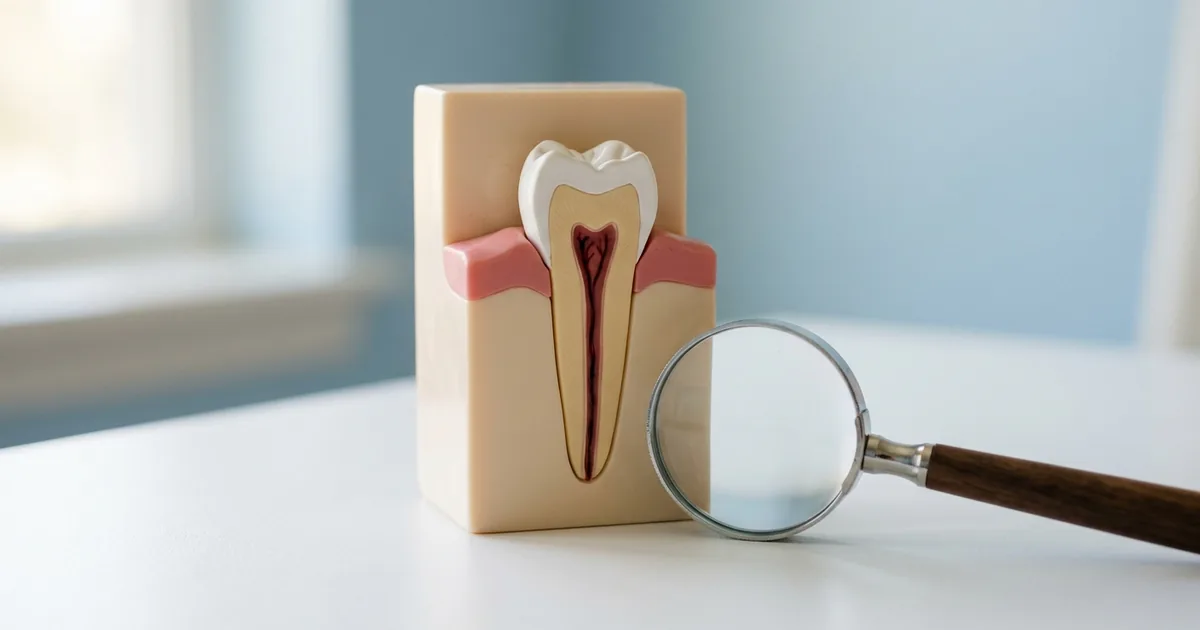
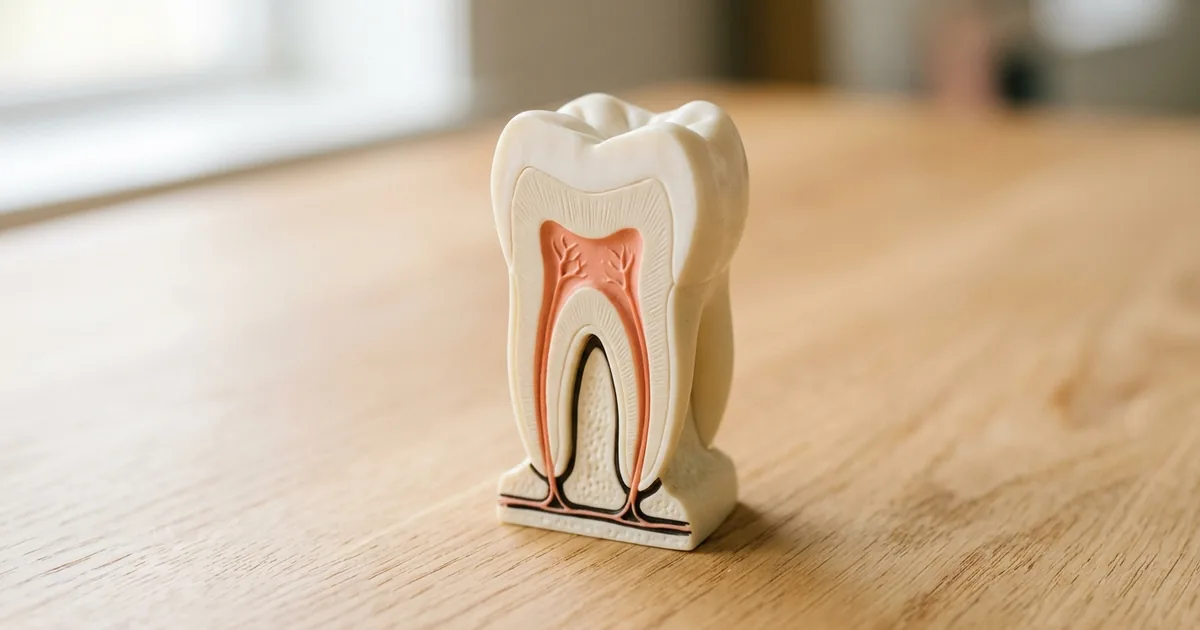
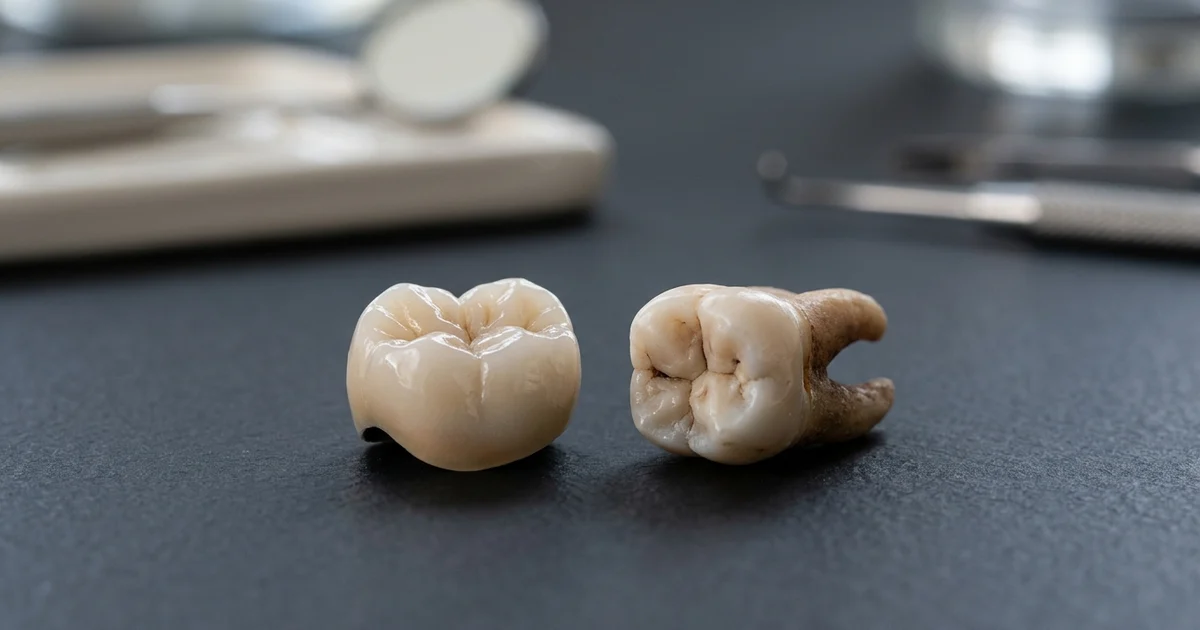
A crown covers the tooth, but the living tooth and root are still underneath. That is why a finished crown can feel sore, tender, or sharp under pressure. Most causes are easy to identify and address once a dentist takes a look.
Is some soreness after a new crown normal?
Yes. Mild sensitivity to cold, heat, or pressure for a few days to a couple of weeks after a new crown is common and usually fades on its own. The tooth was worked on, and the nerve inside needs time to settle.
During this window, lukewarm food and chewing on the other side help. Sensitivity that slowly improves day by day is a reassuring sign. The pattern is much like a new filling settling, and the post on what is normal sensitivity after a filling charts the usual course.
What is not normal is pain that gets worse, sharp pain every time you bite down, or a deep throb that lingers long after a hot or cold sip. Those patterns deserve a closer look rather than a wait-and-see approach.
Could my bite be slightly too high?
A bite that sits a hair too high is one of the most common reasons a new crown hurts, and it is also one of the simplest to fix. If the crown hits first when your teeth meet, that tooth takes extra force with every bite and chew.
The classic clue is sharp pain or tenderness when you bite, especially on harder foods, while the tooth feels fine at rest. You might also notice jaw soreness on that side.
A quick bite check and a small polish of the crown surface often relieves it the same day. This is worth calling about, because leaving a high bite alone can keep the nerve irritated.
What if the pain is deep, throbbing, or lingering?
Deep, throbbing, or lingering pain often points to an inflamed or dying nerve inside the tooth, which sometimes means a root canal is needed even though the crown looks perfect. The crown protects the outside, but the nerve inside can still flare up.
This can happen because the original decay was close to the nerve, or because the tooth was already stressed before the crown went on. Heat sensitivity that lingers, pain that wakes you at night, or a dull ache that will not quit are common signals.
A root canal cleans out the irritated nerve and usually keeps the existing crown in place. It sounds worse than it is, and it reliably ends this kind of pain.
Can decay or a crack form under a crown?
Yes. New decay can start at the margin where the crown meets the tooth, and a crack can form in the tooth structure beneath the crown, especially in teeth that already had large fillings. Both can cause pain weeks, months, or years after the crown was placed. Two related cases have their own posts, what to do when your crown falls off and why an old root canal tooth hurts again.
Decay at the edge often shows up as a fresh ache, sensitivity, or a rough spot you can feel with your tongue. Good daily cleaning around the gumline lowers this risk, though it can still happen.
A crack underneath behaves a lot like cracked tooth syndrome: a sharp jolt when you bite and release, sometimes with sensitivity to cold. Gum recession exposing the root near the crown can also cause sensitivity. Each of these is something a dentist can sort out with an exam and an X-ray.
When should I call the dentist?
Call when pain lasts beyond two to three weeks, gets worse instead of better, hits sharply every time you bite, throbs steadily, or wakes you at night. Swelling, a bad taste, or a pimple-like bump on the gum means call promptly, since those can signal infection. For that bump on its own, see what a pimple on your gum is telling you.
If pain is severe or you have swelling spreading toward your eye or jaw, treat it as urgent care. Not sure whether your situation counts? Our guide on whether a toothache is an emergency can help you decide.
Don't wait out the pain under your crown
Crown pain usually has a clear, fixable cause, and the sooner it is checked the simpler the fix tends to be. Dr. Estrada will examine the tooth, test your bite, and explain what is going on in plain language.
A crown that aches weeks after it was cemented is telling you something, and the longer you sit with it, the harder the fix can get. The cause might be a high bite, an inflamed nerve, or a gap letting bacteria back in, and we can sort out which one at a single visit. Bring the tooth in and we'll find the source instead of guessing. See what we offer in restorative treatments, then call (727) 869-3886 or reach us through the contact page.
Frequently Asked Questions
How long should a new crown stay sensitive?
Mild sensitivity to temperature or pressure for a few days up to about two weeks is normal after a new crown. It should steadily improve. If sensitivity grows stronger, throbs, or lasts beyond two to three weeks, call your dentist, since something may need a small adjustment or a closer look.
Why does my crowned tooth hurt only when I bite?
Pain that appears mainly when biting often means the crown sits slightly too high, so it takes extra force. It can also signal a crack in the tooth underneath. A quick bite check and small polish of the crown surface frequently solves a high bite the same day.
Can a tooth with a crown still need a root canal?
Yes. A crown covers the outside of the tooth, but the living nerve inside can still become inflamed or infected. Deep, throbbing, or lingering pain may mean a root canal is needed. The procedure usually keeps the existing crown in place and ends that kind of pain.
Is throbbing pain under a crown an emergency?
Throbbing pain alone should be seen soon, though it is not always urgent. Treat it as an emergency if you have facial swelling, a fever, a bad taste with a gum bump, or pain spreading toward your eye or jaw. When in doubt, call (727) 869-3886 for guidance.