Restorative Dentistry in Hudson & Port Richey
Repair and rebuild damaged or missing teeth with crowns, fillings, root canals, bridges, and dentures.
Restorative Dentistry to Rebuild a Damaged Tooth
When a tooth is damaged, decayed, or missing, restorative dentistry is how we bring it back to full health and function. At Estrada Dentistry, Dr. Jaime Estrada repairs and rebuilds smiles for families along the US-19 corridor with a full range of restorative care handled right here in the office. From a small cavity to a crown, a root canal, a bridge, or a full set of dentures, you stay with the same dentist who knows your history rather than being sent out to a string of specialists.
When Do You Need Restorative Work?
The line between a small repair and a big one usually comes down to how much tooth is left and whether the nerve is still healthy. A new cavity is a filling. A tooth that is cracked or worn past what a filling can hold needs a crown. A tooth with an infected nerve needs a root canal before it can be saved, and a tooth that is already gone needs a bridge, a denture, or an implant to fill the gap. Catching a problem on the small end of that range means a smaller procedure and an easier time for the tooth, which is the quiet case for not putting off a checkup.
Fillings and Crowns
The most common repairs start small. A tooth colored filling restores a tooth after decay and blends in so naturally that no one can tell it is there. When a tooth is more heavily damaged or has had a root canal, a dental crown caps and protects it so it can stand up to everyday use again. For patients who would rather not wait, Dr. Estrada also offers same day CEREC crowns.
Saving a Tooth With a Root Canal
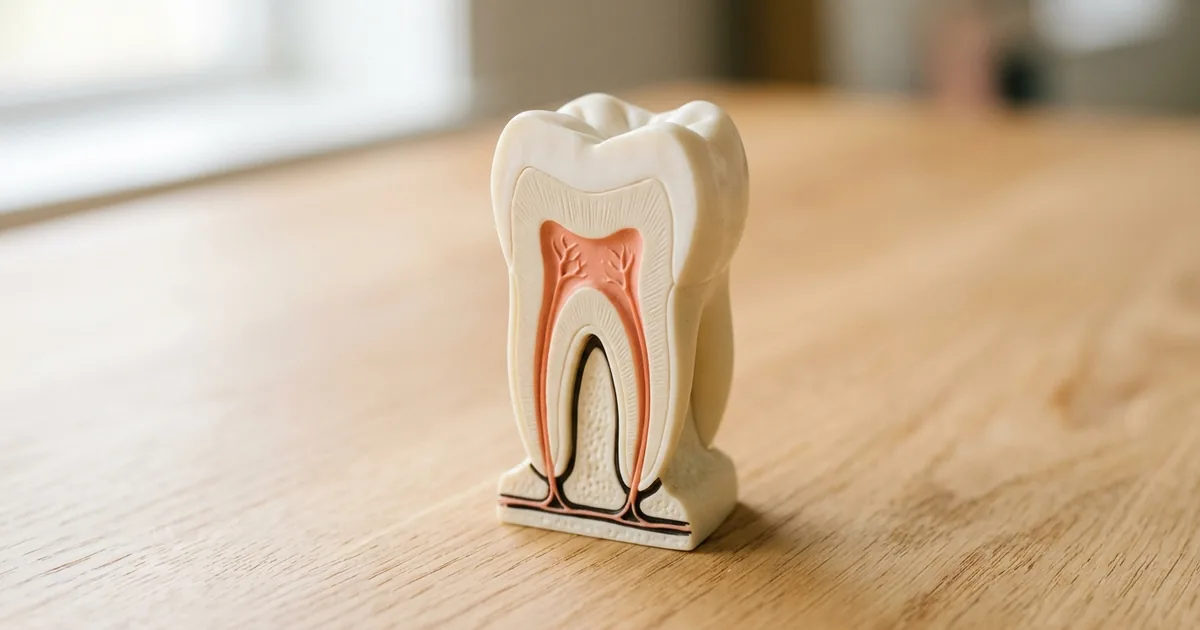
When decay or infection reaches the nerve inside a tooth, a root canal clears the infection and saves the tooth, sparing you the extraction and replacement that would otherwise follow. With the area fully numbed and comfort options available, the visit is far easier than its reputation suggests.
Replacing Missing Teeth
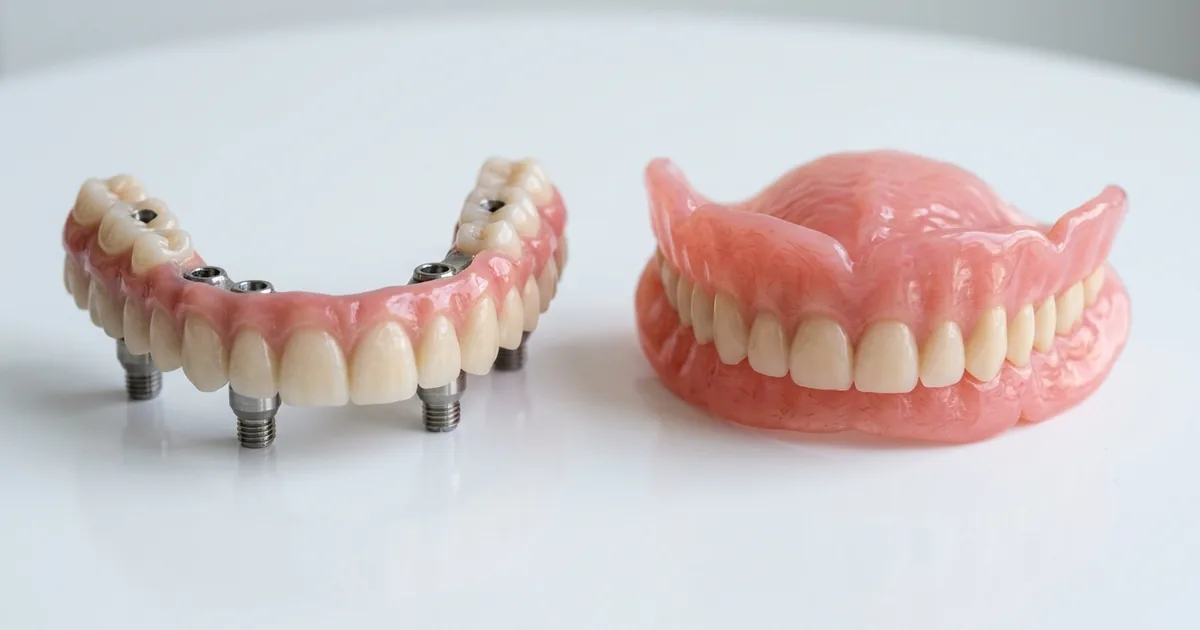
If a tooth is already gone, there are good ways to fill the gap. A dental bridge spans the space using the teeth on either side, while full and partial dentures rebuild several missing teeth at once. For a longer lasting option that stands on its own, Dr. Estrada also places dental implants, and he will walk you through which one fits your bite and what your budget can carry.
Comfortable Care, Start to Finish
Restorative work should never be something you dread. For nervous patients or longer visits, we offer sedation options ranging from light to deep, so you can settle in and let us take care of the rest. Whatever your teeth need, Dr. Estrada keeps the plan clear and the visit comfortable. Call (727) 869-3886 today to schedule at our Hudson or Port Richey office.
Reviewed by Dr. Jaime Estrada, DDS, caring for Pasco and Hernando County families for over 30 years. Last reviewed June 2026.
What Affects the Cost of Restorative Dentistry
Restorative care covers everything from a single filling to a full set of dentures, so the investment depends on what your tooth needs. These are the factors that shape it.
- The type of restoration A filling, a crown, a root canal, a bridge, and dentures are very different procedures, so the treatment your tooth needs is the biggest factor.
- How many teeth are involved Repairing one tooth is a smaller plan than rebuilding several missing teeth across the mouth.
- The materials used Crowns, bridges, and dentures come in different materials, and the choice affects both how they look and how long they last.
- Any groundwork first Sometimes a tooth needs a root canal, a buildup, or an extraction before the final restoration, and those steps become part of the plan.
We accept PPO insurance and Medicare, and we offer CareCredit financing so treatment is easier to plan for. Dr. Estrada reviews everything with you up front, so you understand your options before any work begins.
Procedures We Offer
- Dental Crowns Custom crowns that cap and protect a damaged or weakened tooth so it looks and works like new.
- Tooth Colored Fillings Natural looking composite fillings that repair cavities and blend right in with your smile.
- Root Canals Gentle root canal treatment that relieves pain and saves a tooth with an infected or damaged nerve.
- Dental Bridges Fixed bridges that fill the gap of a missing tooth using the healthy teeth on either side.
- Dentures Comfortable, natural looking full dentures that restore your smile and your confidence.
- Partial Dentures Removable partials that fill in several missing teeth while keeping your remaining natural teeth.
- Night Guards & TMJ Treatment Custom night guards and TMJ care that ease jaw pain, protect your teeth, and stop the damage from grinding.
- Denture Repair & Reline Fast, in-house repairs and relines that get a cracked, loose, or worn denture fitting comfortably again.
Frequently Asked Questions About Restorative Dentistry
It usually comes down to how much healthy tooth is left. A filling works well for a small or medium cavity, but when a tooth is cracked, heavily worn, or more filling than tooth, a crown covers and protects the whole thing. Dr. Estrada looks at the tooth and walks you through which repair makes sense.
A well-placed composite filling often lasts many years with normal brushing, flossing, and checkups. How long depends on the size of the filling, where it sits in your bite, and habits like grinding. Dr. Estrada checks your fillings at each visit so a worn one can be replaced before it causes trouble.
The main options are a dental bridge, a partial or full denture, and a dental implant. Each has trade-offs in cost, treatment time, and how long it lasts, and the right choice depends on where the gap is and the health of the teeth around it. Dr. Estrada goes over all of them so you can pick what fits your mouth and your budget.

Communities We Serve for Restorative Dentistry
Families across west Pasco and the surrounding area travel to our Hudson and Port Richey offices for restorative dentistry. See how we care for patients in your community.