

Dental Bridges in Hudson & Port Richey
Fixed bridges that fill the gap of a missing tooth using the healthy teeth on either side.
Dental Bridges for Port Richey and Hudson Patients
A gap where a tooth used to be does not stay still. The teeth on either side slowly lean toward it, and your bite shifts to compensate. A bridge fills that gap by anchoring a replacement tooth to the healthy teeth beside it, fixed in place so it does not come out. Dr. Jaime Estrada designs and places bridges for families across Pasco County, built to fit comfortably and blend in.
How a Bridge Works
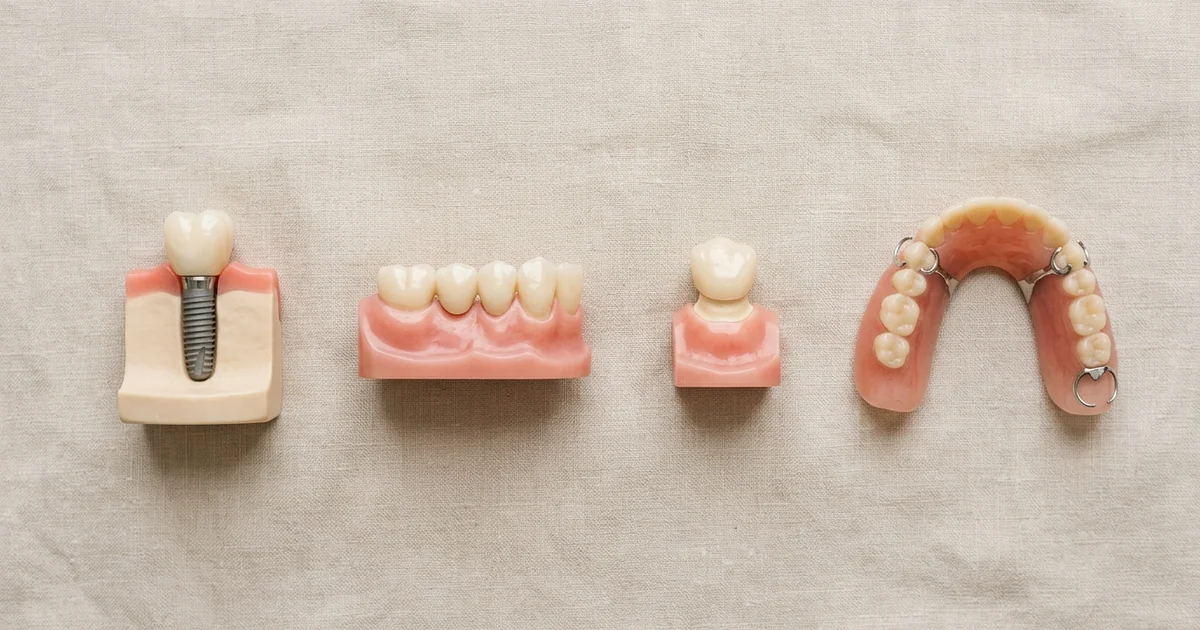
A traditional bridge uses the teeth on either side of the gap as supports. Dr. Estrada prepares those teeth and caps them with crowns, which hold a replacement tooth, called a pontic, securely in the space between. Because it is fixed in place rather than removable, a bridge feels stable and lets you eat and speak with confidence. It also keeps the surrounding teeth from drifting into the gap over time, which protects your bite.
Types of Bridges
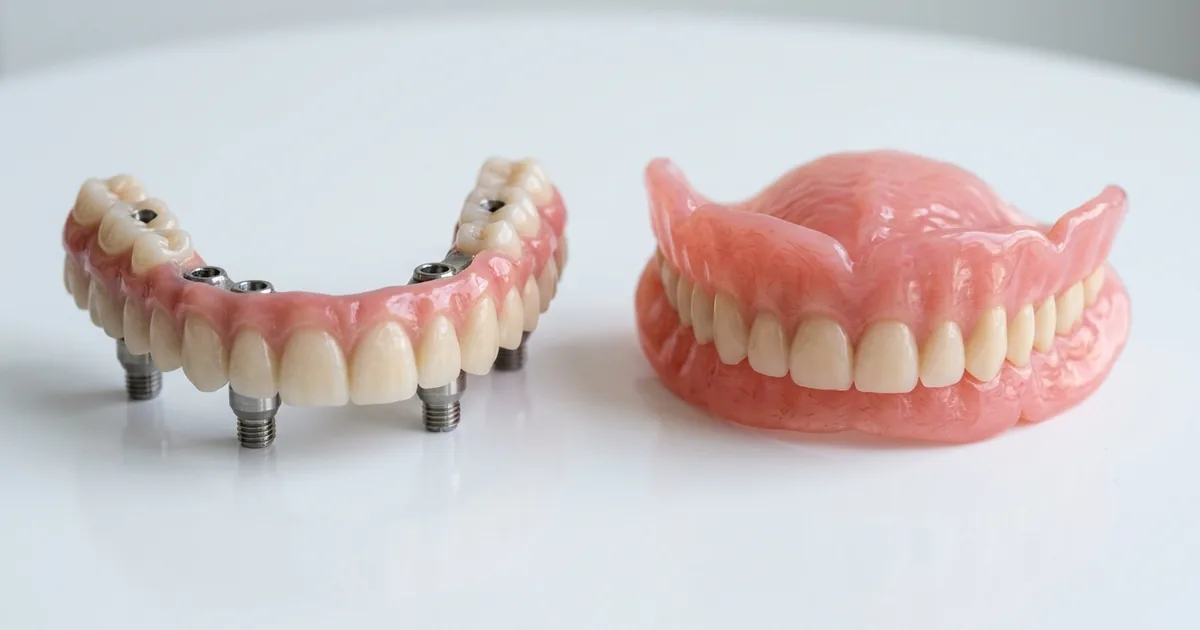
The traditional bridge described above is the most common, but it is not the only kind. A cantilever bridge anchors to a tooth on just one side of the gap, used when there is only a natural tooth on one side. A Maryland bridge bonds the replacement tooth to the backs of the neighbors with small wings instead of full crowns, which preserves more of those teeth but is less sturdy. And an implant supported bridge rests on implants rather than natural teeth, which suits a longer span of missing teeth. Dr. Estrada will match the design to where your gap is and which teeth are available to support it.
Is a Bridge or an Implant Right for You?
A bridge and a dental implant are both good ways to replace a missing tooth, and the best choice depends on your situation. A bridge relies on the neighboring teeth and is often the quicker route up front, while an implant stands on its own, does not involve the teeth beside it, and preserves the bone at the site. The main trade-off is that preparing a bridge means crowning two otherwise healthy teeth. Dr. Estrada will walk you through both so you can weigh the up-front cost against what lasts longer for your mouth.
| Factor | Dental bridge | Dental implant |
|---|---|---|
| Affects neighboring teeth | Yes, two are crowned | No, stands on its own |
| Preserves jawbone | No | Yes, replaces the root |
| Up-front cost | Lower | Higher |
| Typical lifespan | Ten to fifteen years | Decades, often a lifetime |
| Treatment time | A few weeks | Several months while it fuses |
How Long Does a Dental Bridge Last?
A well-made bridge commonly lasts many years, and how long comes down largely to keeping the supporting teeth and gums healthy. The most common reason a bridge fails is decay or gum disease at the teeth holding it up, which is why cleaning under and around it matters so much. Dr. Estrada checks those anchor teeth at every visit to catch any trouble early.
Caring for Your Bridge
A bridge is easy to live with and easy to care for. Brushing, flossing (including underneath the bridge with a special threader the team will show you), and regular checkups keep it and the teeth supporting it healthy for years. Dr. Estrada checks the fit at each visit so it keeps serving you well.
Fill the Gap and Restore Your Smile
If you are missing a tooth, you have good options, and we are glad to help you weigh them. Call (727) 869-3886 to schedule with Dr. Estrada at our Hudson or Port Richey office.
Reviewed by Dr. Jaime Estrada, DDS, caring for Pasco and Hernando County families for over 30 years. Last reviewed June 2026.
Part of our Restorative Dentistry services.
Frequently Asked Questions About Dental Bridges
A bridge uses the healthy teeth on either side of the gap as supports, while an implant stands on its own without involving the neighboring teeth. A bridge is often quicker to complete; Dr. Estrada will help you weigh which fits your situation.
The team will show you how to floss underneath the bridge using a simple threader, along with regular brushing and checkups. Keeping the area clean protects both the bridge and the teeth supporting it.
A well-cared-for bridge can last many years. Daily cleaning and regular visits keep the supporting teeth healthy, and Dr. Estrada checks the fit at each appointment.
Once your permanent bridge is cemented, you can return to most of your normal diet, including foods that were hard to chew with missing teeth. We suggest easing back gradually and being careful with very sticky or hard items. Chewing on both sides evenly helps the bridge last, and regular cleanings keep the supporting teeth healthy.

Communities We Serve for Dental Bridges
Families across west Pasco and the surrounding area travel to our Hudson and Port Richey offices for this treatment. See how we care for patients in your community.