
Leaving a missing tooth alone is rarely harmless. Over time, the teeth around the gap drift out of place, the jawbone underneath begins to shrink, and your bite, chewing, and even the shape of your face can change. Replace the tooth and you prevent all of it. Leaving a gap open sets off a chain of changes in your mouth, and acting sooner is far easier than waiting.
The neighboring teeth start to shift
Your teeth support each other. When one is missing, the teeth on either side slowly lean into the empty space, and the tooth above or below it can begin to drift toward the gap as well. As they move, your bite falls out of alignment, which can make chewing less comfortable and create tight spots that are harder to keep clean. What started as one missing tooth can turn into crowding and alignment problems across several teeth.
The jawbone begins to shrink
The jawbone is where the quiet trouble starts after a tooth is gone. The roots of your teeth stimulate the jawbone every time you chew, and that stimulation keeps the bone healthy. When a tooth is gone, the bone in that area no longer gets the signal to maintain itself and slowly resorbs. Lose enough bone and it can affect the stability of nearby teeth and limit your options for replacing the tooth later. Our post on bone grafting explains how lost bone can be rebuilt when needed.
Your face can change shape
Bone loss in the jaw does more than affect your teeth. Over years, significant bone loss can cause the lower part of the face to look sunken and can add to an aged appearance. This is part of why long-time denture wearers sometimes notice their facial structure changing. Keeping the bone active by replacing teeth helps preserve your natural look.
Chewing and speech can suffer
A gap changes how you eat. Many people start favoring one side of the mouth, which puts extra wear on those teeth, and certain foods become harder to manage. Depending on where the missing tooth is, speech can be affected too. These are small day-to-day frustrations that add up.
The longer you wait, the more involved the fix
What this all comes down to is timing. Replacing a tooth promptly is usually more straightforward than waiting, because there is less shifting to correct and more healthy bone to work with. Wait long enough and you may need extra steps, like moving teeth back into position or rebuilding bone, before a replacement can go in. Acting sooner keeps your options open.
Your options for replacing a tooth
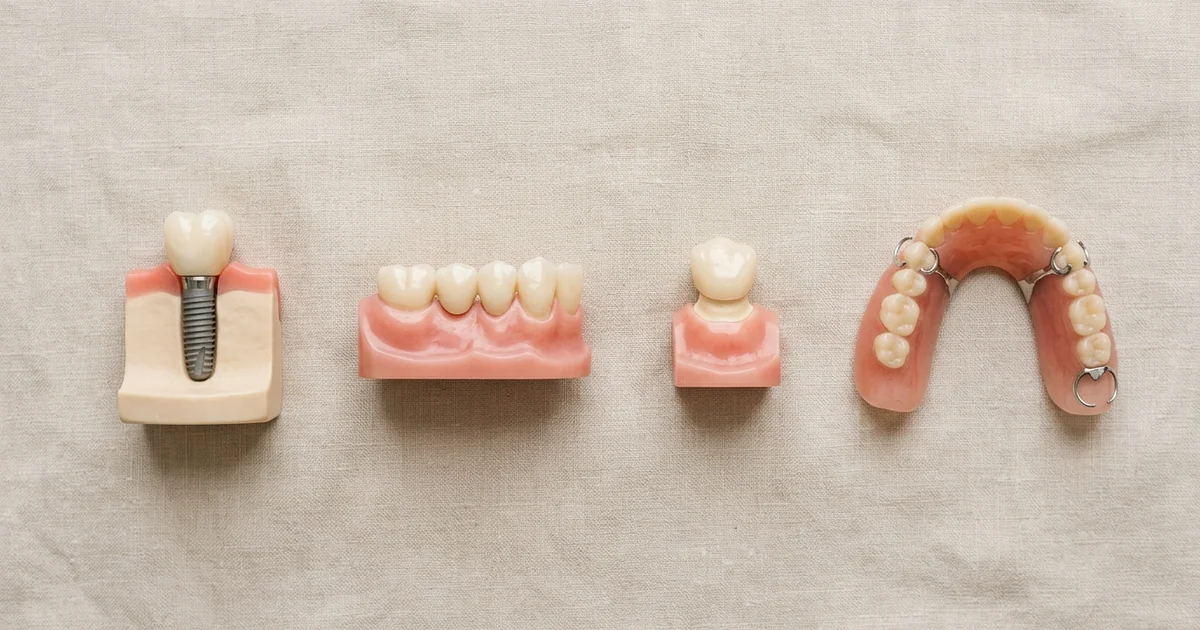
You have several proven ways to fill a gap, from dental implants to bridges to dentures, each suited to different situations. We walk through how they compare in our post on choosing a tooth replacement, and cover the advantages of implants specifically in our post on the benefits of dental implants.
Replace it while the fix is still simple
One call to (727) 869-3886 gets the space looked at before it turns into a bigger job. The longer a gap sits empty, the more the neighboring teeth drift and the more the bone underneath shrinks, so if you're already missing a tooth, the smartest moment to deal with it is now. Dr. Estrada will look at the space and walk you through the choices that actually fit your situation. See the pages on single tooth implants and dental bridges for the details. If cost is what has kept the gap open, payment and financing is worth a look first. You can also message us on the contact page.
Frequently Asked Questions
What actually happens if I leave a gap?
Over time the teeth around the gap drift out of place, the jawbone underneath begins to shrink, and your bite and chewing can change. What starts as one missing tooth can turn into crowding and alignment problems across several teeth, so it rarely stays harmless.
Why does the jawbone shrink after I lose a tooth?
The roots of your teeth stimulate the jawbone every time you chew, which keeps it healthy. When a tooth is gone, the bone in that area no longer gets that signal and slowly resorbs. Enough bone loss can affect nearby teeth and limit your replacement options later.
Is it better to replace a tooth sooner or later?
Sooner is almost always simpler. Replacing a tooth promptly means less shifting to correct and more healthy bone to work with. Wait long enough and you may need extra steps, like moving teeth back into position or rebuilding bone, before a replacement can go in.
What are my options for replacing a missing tooth?
You have several good choices, from dental implants to bridges to dentures, each suited to different situations. We walk through how they compare in our post on choosing a tooth replacement, and an exam helps narrow it down for you.