A sharp pain when you bite down that disappears just as fast, on a tooth that looks perfectly fine, is one of the more frustrating dental problems out there. It often points to a crack too small to see clearly, sometimes called cracked tooth syndrome. The pain comes and goes, the tooth can be hard to pin down, and it tends to get worse if ignored. Once it is identified, it is treatable, and catching it early keeps the fix simpler.
What cracked tooth syndrome is
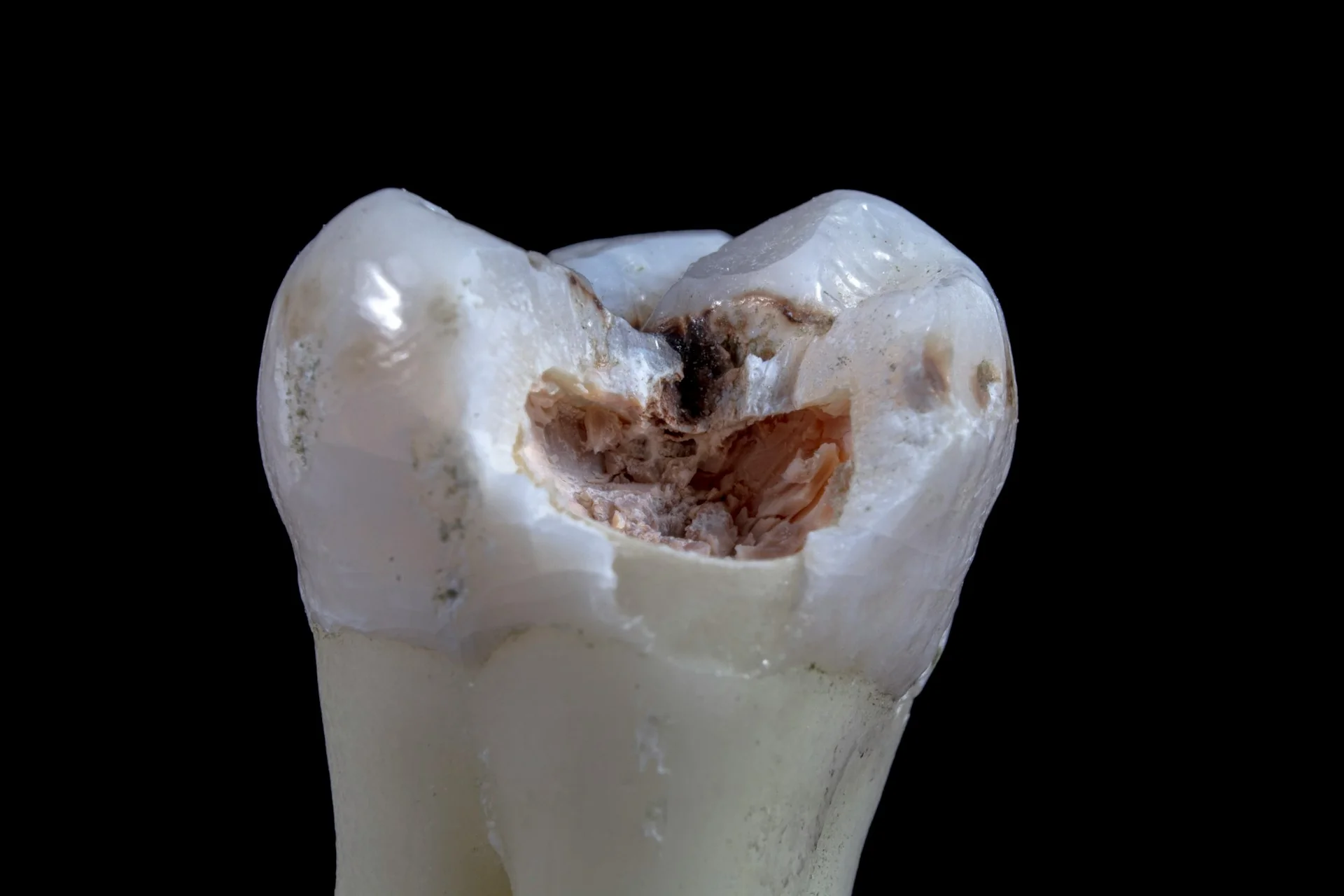
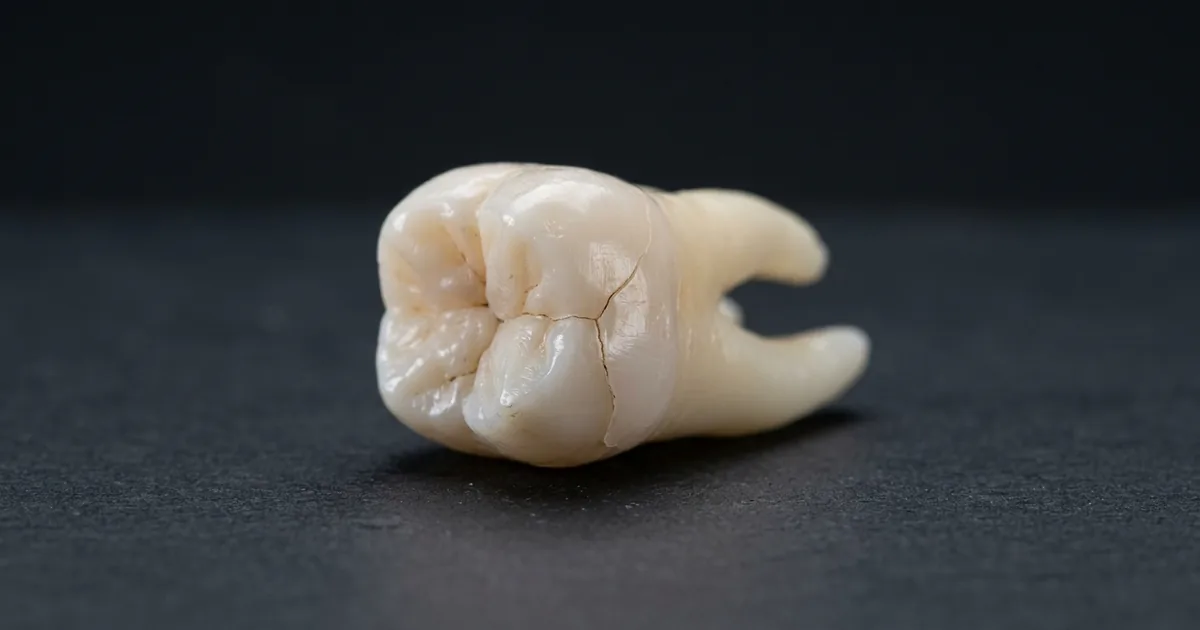
A cracked tooth, as the American Association of Endodontists describes, involves a crack that extends from the chewing surface toward the root. When the crack is small, it can be tricky to find. The classic signs are erratic pain when chewing, especially as you release the bite, and sensitivity to temperature extremes. Because the pain comes and goes, even a dentist may need to do some detective work to identify which tooth is the culprit. That elusive quality is exactly what makes these cracks so frustrating to live with.
Why it is hard to diagnose
Unlike an obvious break, these cracks often do not show up plainly, and the pain is intermittent rather than constant. The American Association of Endodontists notes that in many cases the discomfort comes and goes and the dentist may have difficulty locating the source. This is why describing your symptoms carefully helps so much. When the pain hits, what you were biting, and whether hot or cold sets it off are all clues that help us track the crack down faster.
If the suspect tooth already has an old filling, the post on six signs a filling is wearing out covers what else to look for.
Not every crack is a crisis
The American Association of Endodontists points out that craze lines, tiny cracks in the outer enamel, are extremely common, cause no pain, and are of no concern beyond appearance. So not every line you notice is a problem. What warrants attention is a crack that causes pain on biting or temperature sensitivity, because that suggests it reaches deeper into the tooth. If the biting pain faded without treatment, our guide to a toothache that faded on its own explains why that deserves a look.
How it is treated
Treatment depends on how deep the crack goes. According to the American Association of Endodontists, a crack limited to a fractured cusp may be fixed with a filling or a crown to protect the tooth. A crack that reaches the pulp is typically treated with a root canal and a crown, which we explain in our post on what to expect from a root canal. A crack that extends below the gumline may no longer be treatable, and the tooth may need removal. This is the whole reason not to wait, because a crack that is not treated progressively worsens and can eventually cost you the tooth.
That jolt when you bite is telling you something
A tooth that looks fine but sends a sharp jolt every time you bite down is worth checking now, while the crack is still small. Dr. Estrada can hunt down a hidden fracture, measure how deep it runs, and treat it before it splits further. When something hurts, you won't sit waiting weeks for an opening. See how we repair these on our restorative and surgical care page. If biting hurts, call (727) 869-3886 or use our contact page. Catch it early.
Frequently Asked Questions
What is cracked tooth syndrome?
It refers to a crack, often too small to see clearly, that extends from the chewing surface toward the root. The American Association of Endodontists describes classic signs as erratic pain when chewing, especially on releasing the bite, and sensitivity to temperature. Because the pain comes and goes, the affected tooth can be hard to identify.
Why does my tooth hurt when I bite but look fine?
That pattern often points to a hidden crack. A small crack can flex when you bite and pinch the inner tooth, causing a sharp pain that vanishes when you release, without any obvious damage on the surface. It is worth getting checked, because describing exactly when it hurts helps your dentist locate it.
How is a cracked tooth treated?
It depends on the crack's depth. The American Association of Endodontists notes a fractured cusp may be fixed with a filling or crown, a crack reaching the pulp is typically treated with a root canal and crown, and a crack below the gumline may not be treatable, meaning the tooth needs removal. Early treatment keeps the fix simpler.
Is every crack in a tooth serious?
No. Craze lines, tiny cracks in the outer enamel, are extremely common, painless, and of no concern beyond appearance. What warrants attention is a crack causing pain on biting or temperature sensitivity, since that suggests it reaches deeper. An untreated deeper crack worsens over time, so those are worth checking.