
After a tooth extraction, normal pain peaks in the first day or two and then eases a little each day. Dry socket does the opposite. The pain starts or sharply worsens two to five days after the extraction, most often around day three, often throbbing toward the ear or temple, with a bad taste and a socket that looks empty. If your pain is getting worse instead of better around day three, call the office, because the fix is usually a short visit done in the chair.
What does normal healing feel like day by day?
Soreness after tooth extractions is at its worst on the first evening, then fades a step each day as the clot settles and gum tissue starts to grow over it. For the full timeline, what to eat and how to clean around the site, see the day by day extraction recovery guide.
What does dry socket feel like?
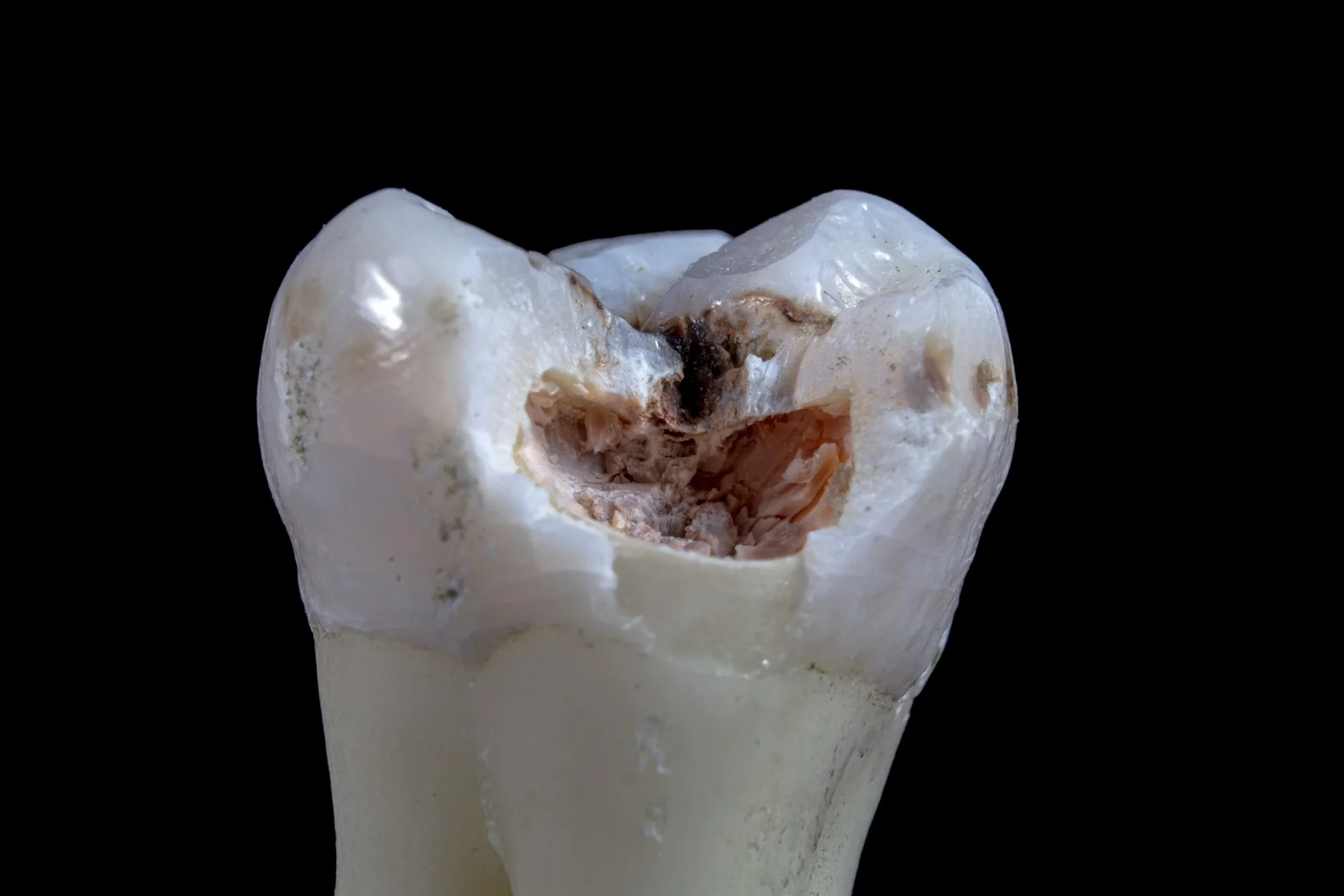
Dry socket is pain that changes direction. Instead of easing, it starts or gets much worse two to five days after the extraction, and it feels different. The ache is deep and throbbing, and it is often felt in the ear, temple or along the jaw on the same side, more than in the socket itself.
Cold air or a sip of water can set it off, and there is usually a bad taste or smell that rinsing does not clear. Mayo Clinic describes dry socket as what happens when the blood clot that protects the socket never forms properly, or is lost or breaks down before the site has healed. That leaves bone and nerve endings exposed, so the pain is much sharper than ordinary soreness and responds poorly to pain relievers alone.
Normal healing or dry socket?
The most reliable test is direction, whether the pain is better each day or worse. The table lays it out by day.
| Day | Pain direction | Taste and look | What to do |
|---|---|---|---|
| Days 1 to 2 | Normal: sore, peaks the first night, then eases. Dry socket: uncommon on day one. | Normal: a little blood. A dark red clot fills the socket. | Protect the clot. Rest, cold pack, soft food. |
| Days 3 to 5 | Normal: dull and improving. Dry socket: new or worse throbbing, often toward the ear. | Normal: little taste, clot in place, gum edges pinker. Dry socket: bad taste rinsing does not clear, empty-looking socket. | Improving: gentle salt water rinses after meals. Worsening: call today. |
| Day 6 and beyond | Normal: tender only when touched. Untreated dry socket: still throbbing. | Normal: no taste, new pink tissue closing the site. Dry socket: the taste persists. | Pain still worsening after day five means a call. |
Dry socket or an infection?
People confuse the two because both arrive after the first couple of days. Dry socket is a severe ache without much swelling. An infection tends to bring swelling that grows after day three, a fever, or pus from the socket. The bad taste keeps returning no matter how often you rinse, and the jaw may feel stiff. Either one needs a call to the office. The treatment is different, so we want to see the socket in person.
A few signs mean the hospital first:
- trouble breathing or swallowing
- swelling that reaches the eye, spreads down the neck or under the jaw
- fever with facial swelling
- cannot open the mouth
- bleeding that will not stop with firm pressure
- confusion, rapid heartbeat, or feeling very unwell
- a knocked or loose tooth after a blow to the head with any loss of consciousness
Those mean the emergency room or 911 now, then call the office so the tooth itself gets treated.
What does the office do for dry socket?
The visit is usually short. We rinse the socket gently to clear any debris, then place a medicated dressing that covers the exposed bone. The dressing usually starts to ease the pain the same day, and some people feel the difference within hours. Sometimes it is changed once or twice over the following days until the tissue has covered the bone on its own. That new tissue often looks white at first, and whether the white stuff in a socket is normal has its own post.
Nothing is packed into the socket at home, and home remedies that go into the socket are not a substitute, because the dressing has to sit on the bone to work. For the ache in the meantime, an over-the-counter pain reliever you already know is safe for you, taken as the label directs, takes the edge off until the visit. Check with your doctor or pharmacist first if you take a blood thinner, have kidney, liver or stomach problems, or are pregnant.
We are open Monday through Friday, 9:00 AM to 5:30 PM. Outside those hours, leave a message, and urgent calls are returned first thing. Pain that is getting worse on day three is the kind of call we want.
How do I lower the risk in the first days?
The best way to lower dry socket risk is to leave the clot alone in the first days. That means no spitting forcefully, no straws, and no smoking, since all of those can pull the clot out of the socket. Leave warm salt water rinses until the second day, and keep them gentle. Each of those has its own wait time, and our guide to when you can smoke or use a straw again lays them out.
The socket also changes in appearance as it heals, and new tissue can look pale or white before it turns pink, which is not the same as the exposed bone of a dry socket. For a wisdom tooth site specifically, our guide to wisdom teeth removal and recovery covers the differences. Our post on what happens during a tooth extraction explains why the socket is cared for the way it is.
When should I call about pain after an extraction?
Getting better each day is normal healing. Getting worse around day three to five, with throbbing toward the ear and a bad taste, should be treated as dry socket until we have looked, and the fix is usually a short visit. Call (727) 869-3886 or use our contact page, tell us which day you are on and which direction the pain is going, and we will take it from there. This article is general information, not a diagnosis. We decide what the socket needs once we have looked at it.
Frequently Asked Questions
Can you get dry socket after day five?
It is uncommon. Dry socket usually shows itself between day two and day five, because that is the window when the clot is most likely to be lost before tissue has grown over the bone. Pain that begins after day five is more likely to be something else, such as food packed in the socket, an infection, or a problem with a neighboring tooth, and it still deserves a call.
Does dry socket heal on its own if I wait?
Eventually the socket does cover over, but the days in between are usually very painful, and pain relievers alone do little for exposed bone. A medicated dressing placed in the office usually brings relief much sooner than waiting, so there is nothing to gain by toughing it out. Call as soon as the pain changes direction.
Why does dry socket hurt more at night?
Lying flat is thought to raise pressure in the inflamed area, and there is nothing at night to distract from the throbbing. Sleeping with the head raised on an extra pillow takes some of the edge off, but it does not treat the cause. The dressing does, which is why a bad night around day three is a reason to call in the morning.
Is dry socket more common after a wisdom tooth than a front tooth?
Yes. Lower wisdom teeth and other lower back teeth are the most common sites, because the removal is often more involved and the bone there is denser with less blood supply, which Mayo Clinic lists among the risk factors. Smoking, straws and forceful rinsing in the first days raise the risk at any site.