Yes, fluoride is safe for kids when used in the recommended amounts, and it is one of the most effective ways to protect young teeth from decay. The key is the dose: a tiny smear for the youngest children and a pea-size amount for slightly older ones, with supervision so they spit rather than swallow. The American Dental Association and the American Academy of Pediatrics both support fluoride toothpaste for children. Below are the safe amounts and what to do if some gets swallowed.
Is fluoride safe for children?
Used as directed, yes. Fluoride strengthens tooth enamel and helps reverse early decay, which is why both the American Dental Association and the American Academy of Pediatrics recommend fluoride toothpaste for kids. Safety comes down to using the right small amount for your child's age and supervising brushing. The concern people sometimes raise involves swallowing large quantities over time, which is exactly what the recommended dosing is designed to prevent. In everyday brushing amounts, fluoride toothpaste is considered safe and beneficial.
How much toothpaste should my child use?
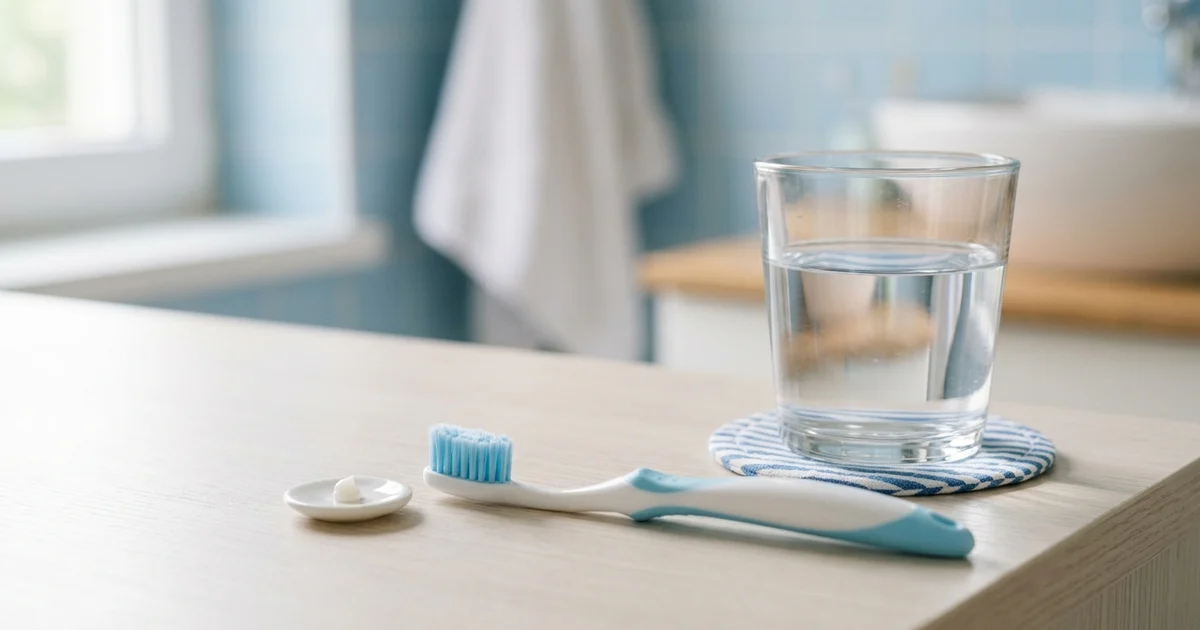
The amount depends on age. For children under 3, use only a smear about the size of a grain of rice. For ages 3 to 6, a pea-size amount is right. Those small portions are deliberate, since young children naturally swallow some toothpaste before they learn to spit reliably. Brush their teeth twice a day, and stay close to supervise so the amount stays small and they spit out the foam when they are done rather than swallowing it.
What should I do if my child swallows toothpaste?
Swallowing the small smear or pea-size amount used for brushing is generally not dangerous, so there is no need to panic over a normal brushing slip. The bigger goal is to keep them from treating toothpaste like a snack, since the pleasant flavor tempts some kids to eat it. Store the tube up out of reach between brushings. If your child swallows a large amount, more than a normal brushing portion, call Poison Control at 1-800-222-1222 or your doctor right away rather than waiting.
What is fluorosis, and should I worry about it?
Fluorosis is usually a cosmetic issue, not a health danger. When young children regularly swallow too much fluoride while their permanent teeth are forming, it can leave faint white spots or streaks on those teeth. In most cases the marks are mild and barely noticeable, and they do not weaken the teeth. Sticking to the recommended smear or pea-size amount and teaching your child to spit keeps the risk low, which is exactly why those small dosing guidelines exist.
What about going fluoride-free?
It is a fair question that a lot of parents are asking lately, and it deserves a plain answer. Fluoride-free toothpastes exist, but they do not offer the same proven protection against cavities, and major bodies like the American Dental Association and the American Academy of Pediatrics continue to recommend fluoride for children. If you have specific concerns about your child, Dr. Estrada is glad to talk them through at a visit and tailor advice to your family. Our overview of oral hygiene care covers how fluoride fits into a full prevention routine.
Get the right amount of toothpaste for your child's age
A rice-grain smear for the toddler, a pea-sized dab once they can spit. That small difference is what keeps fluoride doing its job without the worry. If you're still unsure what's right for your kid, or they just swallowed a mouthful of toothpaste and you want a real answer, bring it up at their next visit and we'll talk it through. Read about our preventive and hygiene care, and check the first visit guide before you come in. Call (727) 869-3886 or use the contact page.
Frequently Asked Questions
Is fluoride toothpaste safe for young kids?
Yes, in the recommended amounts. The American Dental Association and the American Academy of Pediatrics both support fluoride toothpaste for children. Safety comes down to using a small age-appropriate amount and supervising brushing so your child spits rather than swallows. Fluoride strengthens enamel and helps prevent decay.
How much toothpaste should I give my child?
For children under 3, use a smear about the size of a grain of rice. For ages 3 to 6, use a pea-size amount. These small portions account for young children swallowing some toothpaste. Brush twice a day and supervise so they spit out the foam when finished.
What should I do if my child swallows toothpaste?
Swallowing the small amount used for normal brushing is generally not dangerous, so no need to panic. Keep the tube out of reach so they do not eat it like a snack. If your child swallows a large amount, contact your doctor or a poison control center for guidance.
Is fluorosis from too much fluoride dangerous?
Fluorosis is usually cosmetic, not a health danger. Regularly swallowing too much fluoride while permanent teeth form can cause faint white spots, but these are typically mild and do not weaken teeth. Using the recommended smear or pea-size amount and teaching kids to spit keeps the risk low.