If your toddler is terrified of the dentist, the most powerful thing you can do is prepare them calmly and keep your own words positive ahead of the visit. Small children pick up on how you frame things, so a relaxed buildup at home does most of the work before you ever reach the office. With a little role play, the right words, and good timing, a scary first visit can become an ordinary, even fun one. A few simple moves at home make the visit itself easy.
Why is my toddler so scared of the dentist?
A lot of toddler fear is fear of the unknown. A new place, new faces, strange sounds, and a big chair that moves can feel overwhelming to someone barely past their first birthday. Toddlers also read your mood closely, so if you are tense about the appointment, they often catch it. Because most of that fear comes from unfamiliarity, it fades fast once a child learns the dentist is a friendly, predictable place.
What should I say and not say before the visit?
Word choice matters more than parents expect. Avoid saying "it won't hurt" or "don't be scared," because those phrases plant the idea that pain or fear was on the table to begin with. Skip words like shot, drill, or pain entirely. Instead, use simple, upbeat language: the dentist is going to count your teeth and check your big smile. Keep your tone light and matter-of-fact, the same way you would talk about a trip to the library. Calm framing sets the whole visit up well.
How can I prepare my toddler at home?
Role play is one of the best tools you have. Play dentist at home, taking turns counting each other's teeth with a toothbrush while your child sits back and opens wide. Read a few cheerful picture books about visiting the dentist, and watch a friendly kids' video about it together. This rehearsal makes the real chair, the light, and the open-wide moment feel familiar instead of surprising. By the time you arrive, your toddler already knows roughly how the story goes.
Does timing the appointment help?
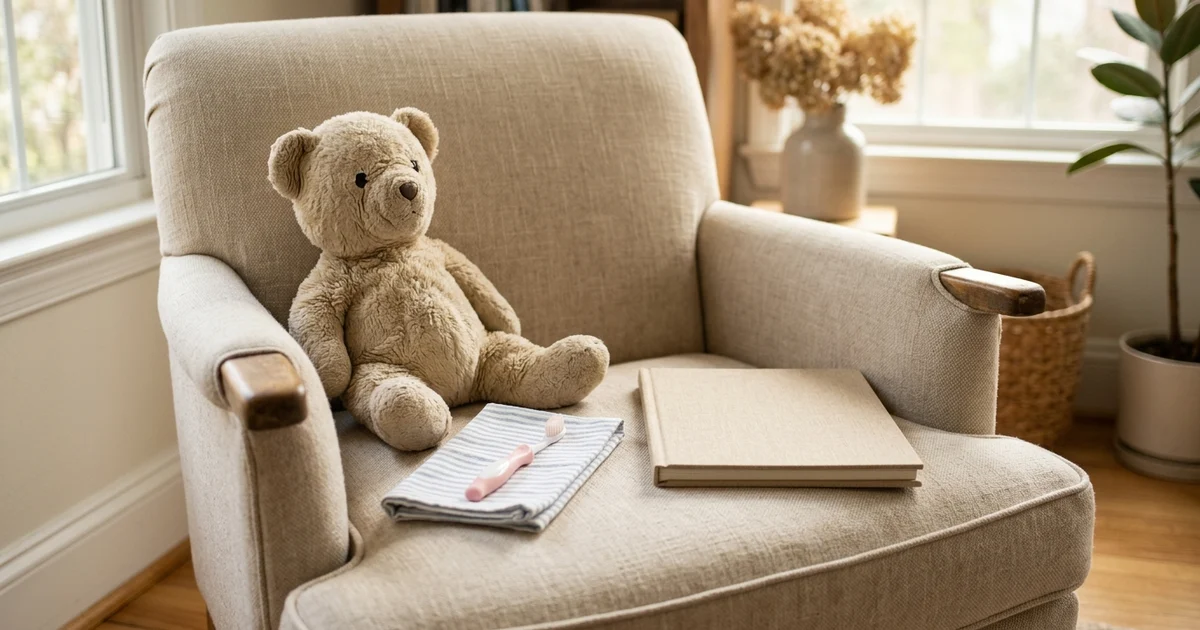
It helps a lot. Book a morning slot when your toddler is rested and fed, not tired, hungry, or due for a nap. A cranky, overtired child has a much harder time with anything new. Bring a comfort item too, like a favorite stuffed animal or blanket, so they have something familiar to hold. Letting them sit on your lap for part of the visit when appropriate can also turn a strange chair into a safer-feeling spot.
How does the dental team help nervous toddlers?
A family-friendly team makes a real difference. Dr. Estrada and our staff move slowly, explain each step in kid-sized words, and let toddlers touch the little mirror or hear the water spray before anything happens. We keep first visits short and low-pressure, with plenty of praise for small wins. For children with stronger anxiety, we can talk through gentle calming options. Our post on handling dental anxiety explains those, and our first visit guide walks you through what to expect.
A first visit your toddler can actually enjoy
You've read the tips, practiced the pretend checkups, and packed the favorite stuffed animal. The next step is a short, no-pressure visit where nobody rushes and your little one gets to look around before anyone counts a single tooth. Dr. Estrada is patient with squirmy two-year-olds, and we'll go at whatever pace your child sets. See how we handle preventive care for kids. When you're ready, call (727) 869-3886 or message us through the contact page, and let's make their first memory of the dentist a good one.
Frequently Asked Questions
What words should I avoid before my toddler's dental visit?
Avoid "it won't hurt" and "don't be scared," since both plant the idea of pain and fear. Skip words like shot, drill, and pain. Instead use simple, positive phrases such as the dentist will count your teeth and check your smile. Keep your tone calm and ordinary.
How can I prepare my toddler for the dentist at home?
Role play by taking turns counting teeth with a toothbrush while your child practices opening wide. Read cheerful picture books and watch friendly kids' videos about the dentist. This rehearsal makes the chair, the light, and the open-wide moment feel familiar rather than surprising on the day.
What time of day is best for a nervous toddler's appointment?
A morning slot usually works best, when your toddler is rested and fed rather than tired, hungry, or near naptime. An overtired child struggles more with anything new. Bringing a comfort item like a stuffed animal also helps them feel secure in an unfamiliar place.
Can a dentist help if my toddler is very anxious?
Yes. A family-friendly team moves slowly, explains each step in simple words, and keeps first visits short with lots of praise. For stronger anxiety, gentle calming options can be discussed. The goal is a positive early experience that builds comfort for future visits.