Yes, you'll likely wear a retainer indefinitely, but not in the demanding way most people imagine. You start by wearing it full time, then shift to wearing it just at night for the long haul. Stop entirely and your teeth will slowly drift back toward where they started.
That drift is called relapse, and it's the single most common reason people lose the results they worked for. The reassuring part is that nightly wear is a small, easy habit once it becomes routine. Here's how it actually works.
Why Do Teeth Need a Retainer After Braces?
Teeth aren't set in concrete; they're held by fibers and bone that need time to settle after moving. Right after braces come off, your teeth are still loose enough to shift back toward their old positions.
A retainer holds them in place while everything stabilizes. Without that support, the natural tendency is for teeth to creep back, especially the lower front ones.
Even years later, teeth keep a slight urge to move, partly from normal aging changes in the mouth. That's why retention becomes a long term habit rather than a quick phase. Those aging changes get a closer look in our post on how teeth move with age, braces or no braces.
How Long Do You Really Have to Wear One?
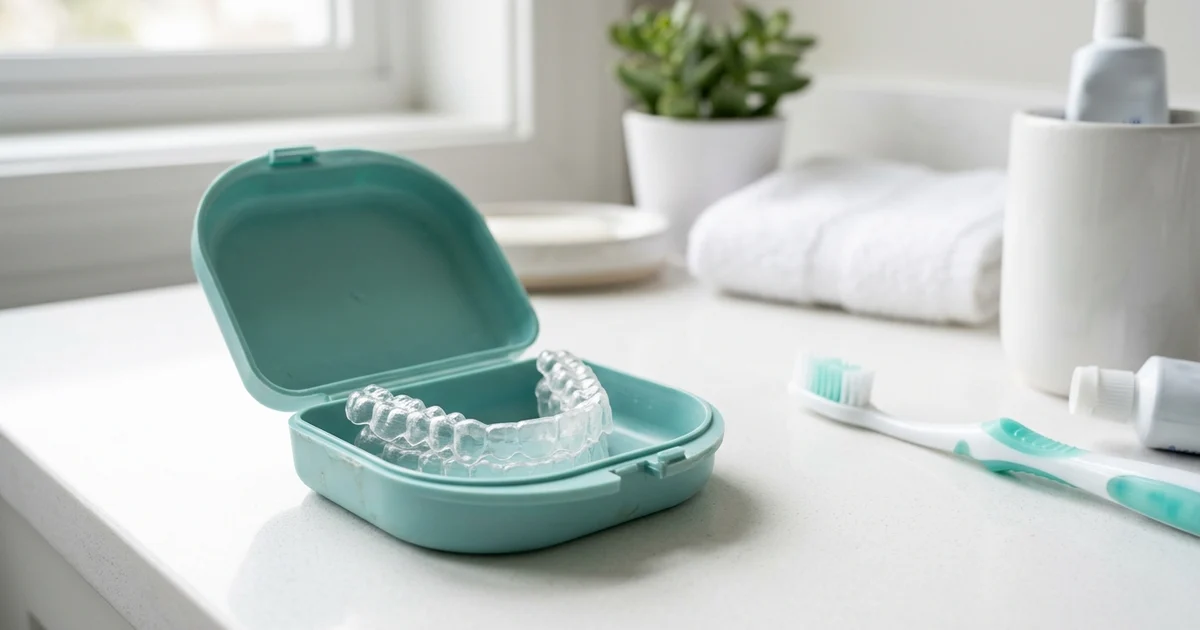
The schedule usually starts intensive and then eases off. Most people wear a retainer full time at first, then drop to nights only, and keep that nightly habit indefinitely to protect their results.
A typical pattern looks like this:
- First few months: full time wear, removed mainly for eating and brushing
- Next stage: nights only, every night
- Long term: nightly or several nights a week, ongoing
Your exact schedule depends on your case, so follow the specific guidance you're given. The trend, though, is always toward less wear over time, not more.
What Happens If You Stop Wearing Your Retainer?
If you stop, your teeth will gradually shift, and you may not notice until the change is obvious. Relapse can show up as returning crowding, small gaps reopening, or a bite that no longer feels quite right.
The speed varies. Some people see movement within months of quitting, while others drift more slowly over years. Either way, the direction is usually backward toward the original alignment.
Shifted teeth can also be harder to clean, which affects your daily oral hygiene and raises the risk of decay in newly crowded spots. Wearing the retainer is far easier than redoing treatment later.
What If My Retainer Breaks or Stops Fitting?
Don't just stop wearing it and hope for the best. A lost, broken, or tight retainer needs prompt attention so your teeth don't have a chance to drift in the meantime.
If the retainer suddenly feels tight, that often means teeth have already started moving. Wearing it consistently again sometimes helps, but a quick check is the safest move.
We can assess the fit and arrange a replacement when needed. Keeping a retainer that actually fits is the whole point, so it's worth handling promptly rather than waiting.
Teeth drift back, so keep the retainer in play
Teeth want to creep back toward where they started, which is why a retainer earns its keep long after the braces come off. It protects the result you paid for. If yours is cracked, lost, or just doesn't fit like it used to, don't ride it out and risk the movement. We can fit a new one and explain how often you really need to wear it by now. Read more about life after treatment on our orthodontic care page, then call (727) 869-3886 or use the contact page.
Frequently Asked Questions
Do I really have to wear a retainer for life?
For most people, yes, but only at night over the long term. Teeth keep a tendency to shift throughout life, so nightly wear protects the results you earned. It becomes a quick, automatic habit. The alternative, gradual relapse, often means watching your teeth drift back toward their original positions.
How fast will my teeth move if I stop wearing my retainer?
It varies widely. Some people notice shifting within a few months of stopping, while others drift more slowly over several years. The lower front teeth often move first. Because the change is gradual, many people do not realize how far their teeth have moved until it becomes obvious.
My retainer feels tight after not wearing it. What does that mean?
A tight retainer usually means your teeth have already started to shift while it was out. Wearing it consistently again may help if the movement is minor. If it will not seat properly or feels painful, do not force it. Have it checked so your teeth do not drift further.
Can I switch to wearing my retainer only a few nights a week?
Some people can reduce to a few nights a week after a long period of stable results, but this depends on your individual case. Cut back too soon or too far and teeth may shift. It is best to follow the specific schedule you were given and check before easing off.