Braces can cause some soreness, but it's usually mild and temporary, not the sharp pain many people fear. The tenderness typically peaks 24 to 48 hours after your braces go on or after an adjustment, then eases within about 3 to 5 days.
That ache comes from your teeth beginning to move, which is exactly what's supposed to happen. The American Association of Orthodontists describes this kind of discomfort as a normal, short-lived part of treatment. Knowing what to expect makes it much easier to handle.
How Much Do Braces Actually Hurt?
For most people, braces feel like pressure and general tenderness rather than real pain. Your teeth and the gums around them get sore, and biting into firm food can feel uncomfortable for a few days.
The first week after placement is usually the most noticeable. Your cheeks and lips also need time to toughen up against the new brackets, which can cause minor irritation at first.
After adjustments later in treatment, soreness tends to be milder and shorter than that first round. Many patients barely notice adjustment visits once they're used to the routine.
How Long Does the Soreness Last?
Soreness from braces generally lasts 3 to 5 days, with the worst of it in the first day or two. By the end of the week, most people are eating normally again and have stopped thinking about it.
Here's a rough timeline of what to expect:
- First 24 hours: pressure builds as teeth start to respond
- 24 to 48 hours: soreness usually peaks
- Days 3 to 5: tenderness fades steadily
- After day 5: most discomfort is gone until the next adjustment
If pain feels severe, sharp, or lasts well beyond a week, that's worth a call. That isn't the normal pattern and we'd want to take a look.
What Are the Best Ways to Ease Braces Pain?
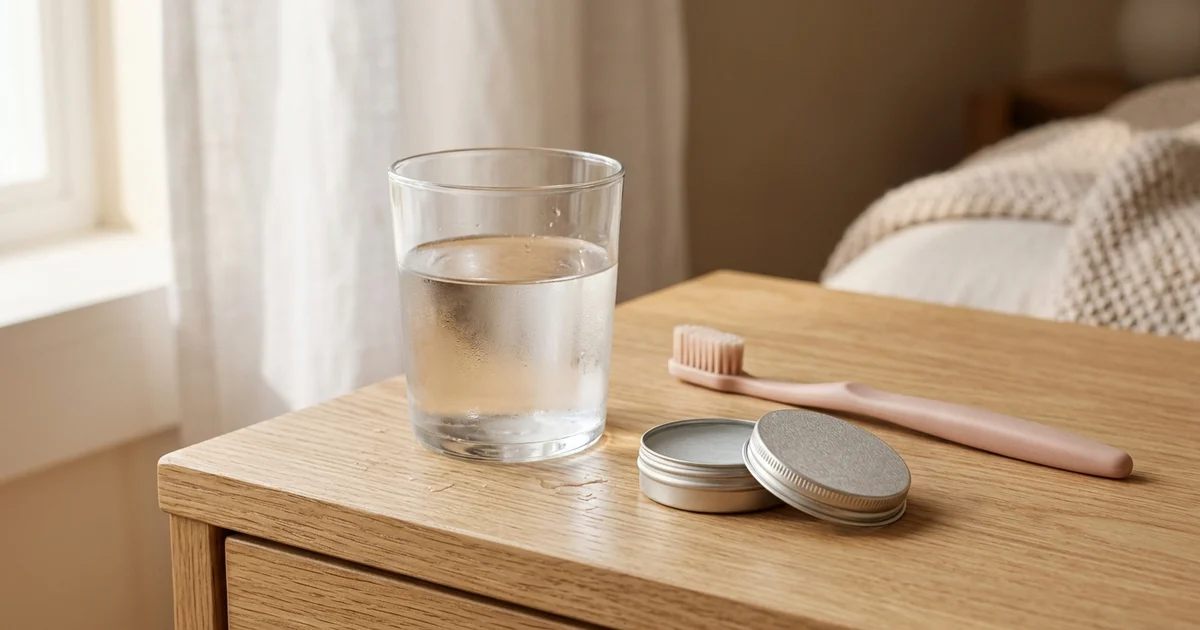
The simplest fixes work best. Soft foods, cold water, and orthodontic wax cover most of the soreness during those first few days. A little planning ahead of an adjustment makes a real difference.
A few things that tend to help:
- Stick to soft foods like yogurt, soup, eggs, smoothies, and pasta
- Sip cold water or rinse with cool water to dull tenderness
- Apply orthodontic wax over any bracket rubbing your cheek
- Use over-the-counter pain relief as directed if you need it
- Rinse with warm salt water to soothe irritated gums
Avoid hard, crunchy, or sticky foods while you're sore. They make the ache worse and can damage brackets.
Does Pain Mean Something Is Wrong?
Usually no. Routine soreness after placement and adjustments is expected and a sign that your teeth are moving as planned. It doesn't mean anything has gone wrong.
Some discomfort, though, is worth attention. A poking wire, a loose bracket, or a sore that won't heal should prompt a quick check rather than waiting it out.
Keeping teeth clean with good oral hygiene habits helps prevent the gum sensitivity that comes with plaque buildup around brackets. If something feels off beyond ordinary soreness, our first visit guide explains how easy it is to get checked.
Sore teeth ease faster than you'd think
A little soreness is part of teeth moving, and we would rather you hear that up front than be caught off guard. The tenderness after a new wire or an adjustment usually fades within a few days, and soft food plus the tricks above carry you through it. If you're still deciding whether to start, or you're already in treatment and something feels off, tell us. We'll talk it through and get you comfortable. Our braces page shows how treatment runs, and Fastbraces is worth a look if you are hoping to shorten it. For relief that isn't easing or to get started, call (727) 869-3886 or message us on the contact page.
Frequently Asked Questions
When do braces hurt the most?
Braces tend to feel most sore in the first 24 to 48 hours after they are placed and after each adjustment. That is when your teeth begin shifting under new pressure. The discomfort usually peaks during that window, then eases steadily over the next few days as your mouth adjusts.
How long does pain last after getting braces tightened?
Soreness after an adjustment usually lasts about 2 to 3 days, often less than the discomfort after the initial placement. Most people find adjustments easier to handle once they are used to the routine. Soft foods and cool water during those first couple of days make it much more comfortable.
What can I eat when my braces hurt?
Stick to soft, easy foods while you are sore: yogurt, soup, scrambled eggs, smoothies, mashed potatoes, and soft pasta all work well. Cold items can be especially soothing. Avoid hard, crunchy, or sticky foods, which can worsen tenderness and risk damaging your brackets during those tender first days.
Is it normal for braces to make my cheeks sore?
Yes. When braces are new, the brackets can rub against the inside of your cheeks and lips until that tissue toughens up. Orthodontic wax placed over the offending bracket gives quick relief. The irritation usually settles within a week or two as your mouth adjusts to the hardware.