
Chronic bad breath, the kind that does not go away after you brush, is almost always caused by bacteria in the mouth rather than the last thing you ate. Those bacteria release the compounds that cause the smell, and they thrive when there is food debris, dry mouth, or gum problems to feed them. Find the source and bad breath is very treatable.
Where the smell actually comes from
Persistent bad breath, known as halitosis, usually starts with bacteria that live in your mouth, especially toward the back of the tongue and below the gumline. As these bacteria break down food particles and dead cells, they give off sulfur compounds, and those compounds are what you smell. Mints and gum only cover that up for a while. To fix it for good, you have to deal with the bacteria.
The most common causes
- Poor or incomplete cleaning. When brushing and flossing miss food and plaque, bacteria have more to feed on. The tongue is a big and often-skipped culprit.
- Gum disease. Bacteria collecting below the gumline is a frequent source of stubborn odor, and bad breath is one of the early warning signs. Our post on how gum disease affects your health covers this.
- Dry mouth. Saliva naturally washes away bacteria and food. When your mouth is dry, from medications, mouth breathing, or simply not drinking enough water, odor builds up. This is also why morning breath happens.
- Food and habits. Garlic, onions, coffee, and tobacco all contribute, with tobacco being one of the worst for both breath and gum health.
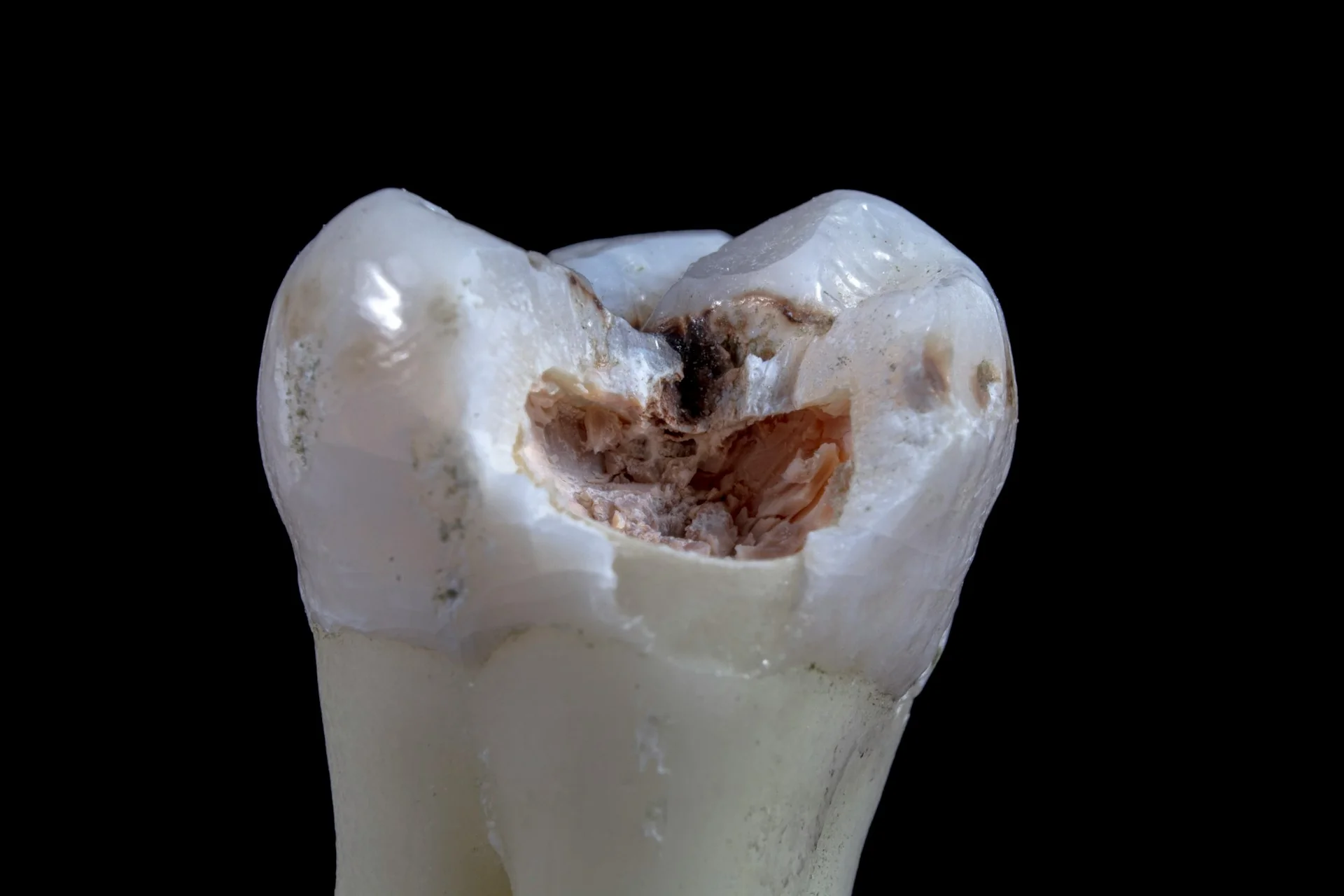
- Untreated cavities or old dental work that trap bacteria and food.
How to get rid of it
Most bad breath clears up once you tackle the source. A few habits make the biggest difference:
- Clean your tongue. Brush it or use a tongue scraper. This single step helps a lot, since so much of the bacteria lives there.
- Brush and floss thoroughly, twice a day, reaching the gumline and between teeth where odor-causing bacteria hide.
- Stay hydrated. Drinking water keeps saliva flowing and rinses the mouth. Sugar-free gum can help too.
- Keep up with cleanings. Professional cleanings remove the buildup you cannot reach at home.
When bad breath means something more
If your breath stays bad despite good oral hygiene, it is worth getting checked. Persistent odor can point to gum disease, an untreated cavity, or sometimes a medical issue outside the mouth, such as a sinus problem or acid reflux. Rather than guessing, let us take a look. Catching gum disease or decay early is far easier than treating it later, and it often clears the breath problem at the same time. A denture worn overnight is another common source, and we explain why dentures should come out at night separately.
When mints stop working, look deeper
If you've scrubbed, scraped, and rinsed and the bad breath keeps coming back, the cause is usually hiding somewhere a mint can't reach, in the gums, between teeth, sometimes further down. Skip the cover-ups in the meantime; the smell is a clue, not the problem. An exam tends to find it fast, and Dr. Estrada has helped patients all over Pasco County trace it to the source. Read about our cleanings on the oral hygiene page, and about the gum work itself under gum disease treatment. Ready to be done with it? Call (727) 869-3886 or request a visit through the contact page.
Frequently Asked Questions
Why does my breath stay bad even after I brush?
Chronic bad breath is almost always caused by bacteria in the mouth rather than the last thing you ate. Those bacteria release sulfur compounds you smell, and they thrive on food debris, dry mouth, or gum problems. Mints only cover it up for a while, so the fix is to deal with the bacteria.
What is the most overlooked cause of bad breath?
The tongue. So much odor-causing bacteria lives toward the back of the tongue, yet most people skip cleaning it. Brushing your tongue or using a tongue scraper is one of the single most effective steps you can take.
Can bad breath be a sign of something more serious?
Sometimes. Persistent odor can point to gum disease, an untreated cavity, or occasionally a medical issue outside the mouth like a sinus problem or acid reflux. If good oral hygiene does not clear it, it is worth getting checked.
How do I get rid of bad breath for good?
Clean your tongue, brush and floss thoroughly twice a day, stay hydrated to keep saliva flowing, and keep up with professional cleanings. Most bad breath clears once you tackle the source, and an exam can pinpoint the cause if the usual fixes do not work.