Yes, in most cases a cavity in a baby tooth does need to be filled, even though that tooth is going to fall out eventually. The reason is that baby teeth do real jobs while they are in the mouth, and an untreated cavity rarely just waits politely until the tooth is ready to go. It can grow, hurt, and cause problems for the adult tooth waiting underneath. That is why filling these teeth is usually the right call.
Why do baby teeth matter if they fall out anyway?
Baby teeth do far more than fill in a small smile. They hold space in the jaw for the adult teeth lining up underneath, and they guide those permanent teeth into the right spots. They also let your child chew real food and form clear speech sounds. A baby tooth lost too early to decay can let neighboring teeth drift into the gap, which often leaves the adult tooth no room and sets up crowding down the road.
Will an untreated cavity in a baby tooth get worse?
A cavity does not heal on its own, and in baby teeth it tends to move faster than in adult teeth. The outer enamel on baby teeth is thinner, so decay reaches the soft inner pulp sooner. Once it gets there, your child can have real pain, and the tooth can develop an infection or abscess. A small spot that could have been a quick filling can turn into a bigger procedure, so catching it early keeps things simpler and more comfortable.
What happens if a decayed baby tooth is left alone?
Leaving a decayed baby tooth untreated can cause more than a toothache. The infection can spread to nearby teeth or even affect the developing adult tooth sitting under the gum. Children with sore teeth often avoid chewing on that side, eat less well, and can struggle to focus or sleep. If the tooth has to come out early, it may leave a gap that crowds the permanent teeth. A simple filling early on usually avoids all of that. If your child is already in pain, our guide on whether a toothache is an emergency can help you decide how fast to call.
Are there times a baby tooth cavity is just watched?
Sometimes, yes. If a cavity is very small and the tooth is genuinely about to fall out within a short window, Dr. Estrada may choose to monitor it instead of filling it. That is a judgment call based on the size of the decay, where the tooth sits, and how loose it already is. The key is that this is a decision made at an exam, not a reason to skip the dentist. Watching a cavity safely still means keeping an eye on it at regular visits.
How can we prevent cavities in the first place?
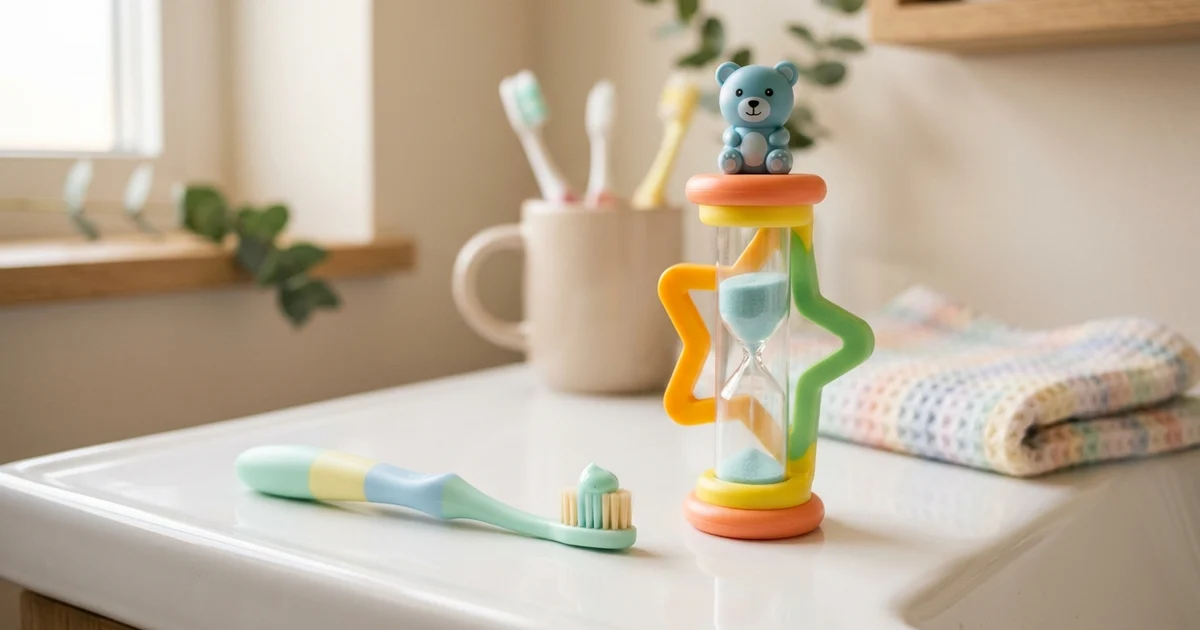
Prevention beats fillings every time, and the basics carry most of the load. Help your child brush twice a day with a small amount of fluoride toothpaste, and start flossing once teeth touch. Cut back on sticky snacks and sippy cups full of juice, especially at bedtime. Regular checkups catch soft spots before they become holes, and protective steps like sealants and fluoride add another layer of defense. Our overview of oral hygiene care covers what we watch for at each visit.
A dark spot on a baby tooth is worth a look
Spotted a dark spot, or has your little one mentioned a sore tooth? Call (727) 869-3886 and a short exam will tell you what it actually needs. Baby teeth fall out, but they hold space and let a child eat and sleep without pain until they do, so a cavity left alone can turn into a real ache. We keep these visits low-key for younger kids, so a first filling doesn't have to rattle them. See how we keep these visits easy on our children's dentistry page, and how a small cavity is repaired with a tooth colored filling, or book through the contact page.
Frequently Asked Questions
Do baby teeth cavities really need to be filled?
Usually, yes. Baby teeth hold space for adult teeth and help your child chew and speak. An untreated cavity can grow, cause pain, and lead to infection. Filling it early is typically simpler and more comfortable than waiting for the problem to get bigger.
What if my child has no pain from the cavity?
A cavity can be present long before it hurts. By the time a baby tooth aches, decay has often reached the inner pulp and may need more than a filling. An exam catches early decay that has not started causing pain yet, when treatment is easiest.
Can a baby tooth infection affect the adult tooth?
It can. An infected baby tooth sits directly above the developing permanent tooth in the gum. A serious infection can affect that adult tooth or spread to nearby areas. Treating decay early helps protect the permanent tooth forming underneath.
How can I help prevent cavities in my child's teeth?
Brush twice daily with a small amount of fluoride toothpaste, floss once teeth touch, and limit sticky snacks and bedtime juice. Keep up regular dental checkups so soft spots are caught early. Sealants and fluoride add extra protection on the back teeth.