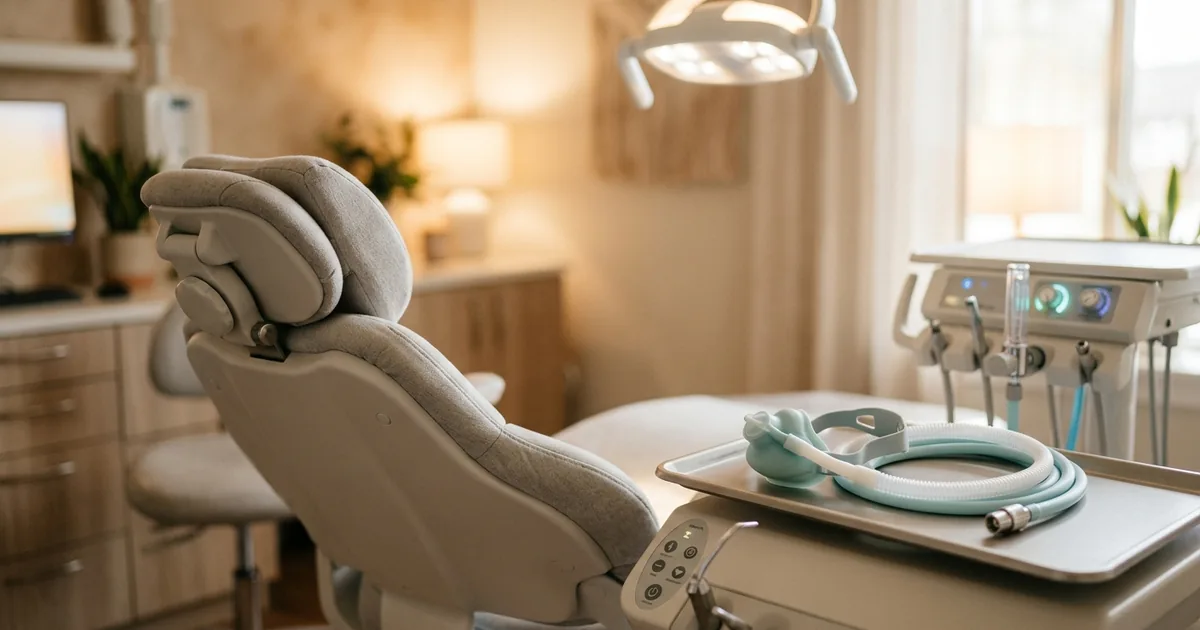

Sedation dentistry helps a lot of people get the care they have been avoiding, and most healthy patients are good candidates for it. The key word is healthy, because your medical history genuinely matters. Before any sedation, Dr. Estrada reviews your health, your medications, and any conditions that call for extra care, then chooses the right approach. That review is not a hurdle, it is what makes sedation safe. What we review is straightforward, and for most patients it confirms they can proceed with confidence.
Why your health history matters
Sedation safety rests on two things: a careful review beforehand and monitoring during. Dentists use established frameworks to assess a patient's health before sedation, including a widely used physical-status classification that rates overall health from healthy to medically complex. The point is to match the sedation to the person. For most healthy patients, this review confirms sedation is a safe, comfortable choice. For those with certain conditions, it guides a more cautious plan or a different approach.
Conditions that call for extra screening
Some health factors warrant a closer look before sedation. Obstructive sleep apnea is a notable one, and the American Dental Association advises that patients disclose it so the team can screen for airway risk factors. Other conditions, certain medications, and your history with anesthesia also factor in. None of these automatically rules sedation out, but they are exactly the kind of thing your dentist needs to know in advance, which is why an honest health history is so important. Our post on sleep apnea and dental health explains why that condition matters here.
Medications and what to disclose
- All current medications. Prescriptions, over-the-counter drugs, and supplements can interact with sedation.
- Medical conditions. Heart, lung, sleep, and other conditions shape the safest plan.
- Past anesthesia experiences. Any reaction you have had to sedation or anesthesia before.
- Allergies. So nothing used during your visit causes a problem.
The more complete the picture, the better we can tailor your care. We go deeper on the safety side in our post on whether sedation dentistry is safe.
Comfort should never be out of reach
The whole point of sedation is to make care possible for people who would otherwise avoid it, and the pre-sedation review is what lets us offer it safely. That attitude of putting patients first is the heart of how we work, and you can get a feel for it in our short commercial.
One honest conversation about your health
Sedation safety comes down to your medical history, your medications, and a real talk about both. Dr. Estrada goes through all of it with you, answers what you ask, and points you to the approach that fits, and he won't hurry that part. The sedation dentistry page has the details, and the deeper end of that range is described on our page about sedation delivered through an IV. When you're ready to talk it over, call (727) 869-3886 or request a visit through our contact page.
Frequently Asked Questions
Who is a candidate for sedation dentistry?
Most healthy patients are good candidates. Before sedation, your dentist reviews your health history, medications, and any conditions that need extra care, using established frameworks to assess overall health. That review confirms sedation is safe for most healthy people and guides a more cautious plan for those with certain conditions.
What health conditions affect sedation?
Conditions like obstructive sleep apnea warrant extra screening for airway risk, and the American Dental Association advises disclosing it. Heart and lung conditions, certain medications, allergies, and past reactions to anesthesia also matter. None automatically rules sedation out, but your dentist needs to know them in advance to plan safely.
What should I tell my dentist before sedation?
Share all current medications including over-the-counter drugs and supplements, any medical conditions, allergies, and any past reactions to sedation or anesthesia. The more complete the picture, the better your dentist can tailor the safest, most comfortable plan for you. An honest health history is what keeps sedation safe.
Is sedation safe if I have a health condition?
Often it can be, with the right planning. Having a condition does not automatically rule sedation out, but it does mean your dentist needs to know about it to choose the safest approach or recommend an alternative. The pre-sedation review exists precisely so care can be matched to your health.