Sedation dentistry is considered very safe when it is administered by a trained, experienced dentist who reviews your health history first and monitors you the entire time. Millions of patients are sedated for dental care every year. The most common form, nitrous oxide, wears off within minutes, and the deeper forms are carefully dosed to your individual needs. As with any medical care, safety comes from proper screening, the right dose, and close monitoring, all of which are standard parts of how Dr. Estrada uses sedation.
What makes sedation safe
Safety in sedation dentistry comes down to a few things done well every time:
- A health review first. Before any sedation, Dr. Estrada goes over your medical history, current medications, and any conditions that matter. This is how the right approach and dose are chosen for you specifically.
- Proper dosing. Sedation is not one size fits all. The amount is matched to your size, your health, and the procedure, so you get just enough to be comfortable.
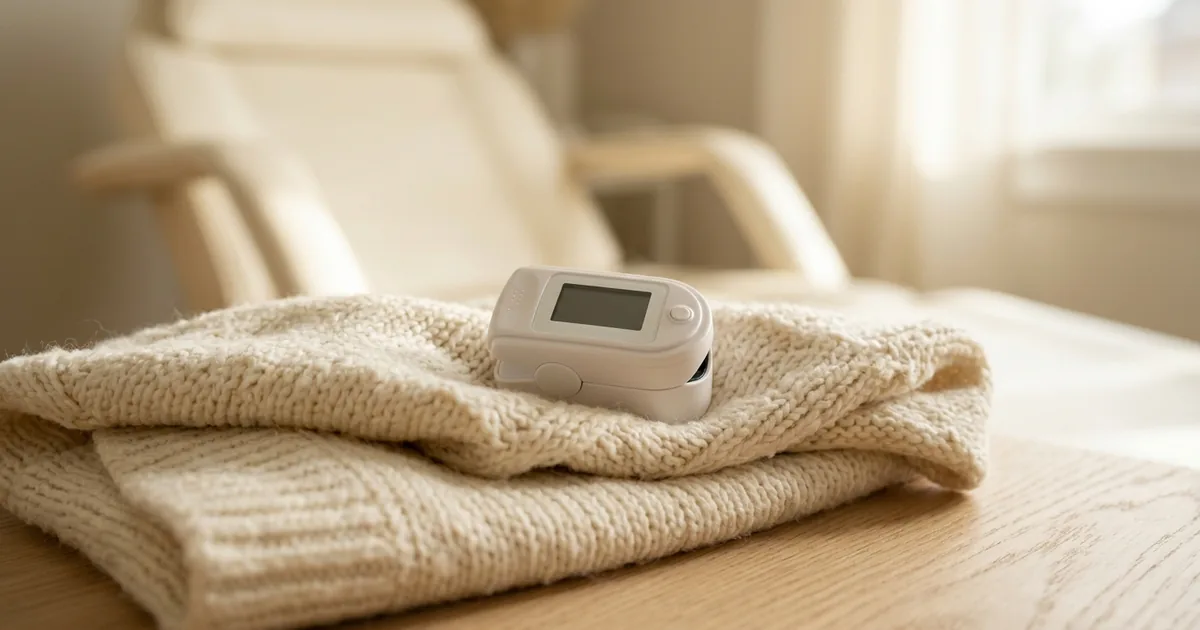
- Monitoring throughout. The team keeps an eye on you for the whole visit, watching how you are doing and adjusting as needed.
- Training and experience. Dr. Estrada has long experience providing sedation, which is the single biggest factor in keeping it safe.
The different levels and how safe each is
Not all sedation is the same, and the lighter forms are extremely gentle:
- Nitrous oxide (laughing gas) is the mildest. You breathe it through a small mask, it takes effect within minutes, and it clears your system just as fast, so most patients drive themselves home afterward. It is so well tolerated that it is commonly used even for children.
- Oral sedation is a pill taken before your visit that leaves you deeply relaxed but still awake and able to respond. You will need someone to drive you. Our post on what to expect with oral sedation walks through it.
- IV sedation is the deepest option we offer, used for longer or more involved procedures, with the most precise control and the closest monitoring.
We compare all three in detail in our post on choosing between nitrous, oral, and IV sedation.
Who should be especially careful
Sedation is safe for most people, but a few situations call for extra planning. If you are pregnant, have a significant heart or lung condition, have sleep apnea, or take certain medications, those are exactly the things the health review is designed to catch. It does not necessarily mean you cannot be sedated, only that Dr. Estrada will choose the safest approach for your situation. Being open about your full medical history is the most important thing you can do.
Why sedation is often the safer choice overall
The risk of skipping care often gets left out of the conversation. Avoiding the dentist out of fear is its own health risk. Small problems that could have been simple fillings grow into infections, abscesses, and lost teeth. For many anxious patients, sedation is what finally lets them get the care that keeps their mouth and overall health on track. Comfort is only half of it. Sedation removes a fear that was doing real harm. Our post on handling dental anxiety explores that further.
Bring us your what-ifs
If nerves are the reason a cleaning has slid off your calendar for years, the safety questions in your head deserve real answers, not a brochure. Sit down with Dr. Estrada first. He'll read through your health history, walk you through exactly how you'd be watched the whole time, and talk you out of sedation if your case doesn't call for it. One practical tip: bring a list of your medications to that conversation, since it's the most useful thing you can hand him. Our sedation dentistry page shows how the options stack up, and if you are coming from further out in the county, we cover the same ground for sedation patients across Pasco County, and you can call (727) 869-3886 or send a note through the contact page.
Frequently Asked Questions
Is sedation dentistry safe?
It is considered very safe when administered by a trained dentist who reviews your health history first and monitors you throughout. Safety comes from proper screening, the right dose, and close monitoring, all of which are standard parts of how Dr. Estrada uses sedation.
Which form of sedation is the gentlest?
Nitrous oxide is the mildest. You breathe it through a small mask, it takes effect within minutes, and it clears your system just as fast, so most patients drive themselves home. It is so well tolerated that it is commonly used even for children.
Are there people who should be extra careful with sedation?
A few situations call for extra planning, such as pregnancy, a significant heart or lung condition, sleep apnea, or certain medications. That is exactly what the health review is designed to catch, and it usually means choosing the safest approach rather than skipping sedation.
Is sedation safer than avoiding the dentist?
Often, yes. Avoiding care out of fear lets small problems grow into infections, abscesses, and lost teeth. For many anxious patients, sedation is what finally lets them get the care that keeps their mouth and overall health on track.