Your mouth is home to a vast community of bacteria, fungi, and viruses, and that community matters more than most people realize. Known as the oral microbiome, it is the second most diverse collection of microbes in your body after the gut. When it stays in balance, it helps keep your mouth healthy. When it tips out of balance, the result can be cavities and gum disease, and researchers are increasingly connecting oral health to the rest of the body. Understanding the oral microbiome makes clear why caring for it is just good dental care.
What the oral microbiome is
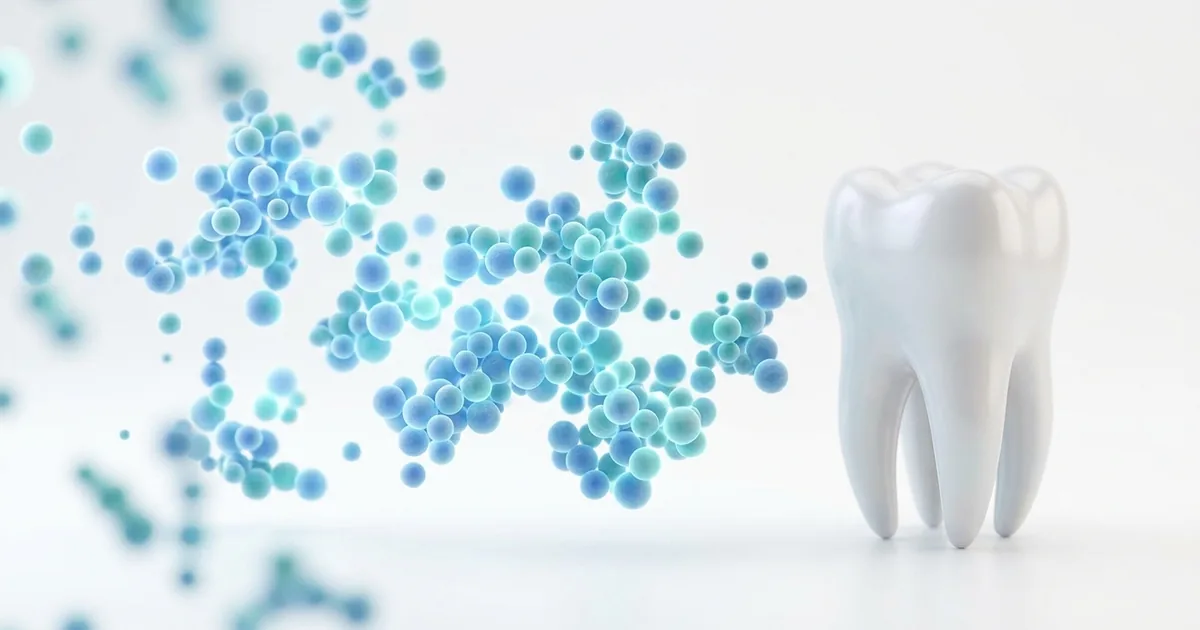
The University of California, San Francisco describes the oral microbiome as the millions of bacteria, fungi, and viruses that live in our mouths, second in diversity only to the gut. Not all of these microbes are harmful. Many are part of a healthy, balanced ecosystem. The mouth, as UCSF puts it, is the main entry point between the outside world and the inside of your body, which is part of why its microbial balance has effects that reach beyond your teeth.
How balance affects cavities and gum disease
When the balance of the oral microbiome is disrupted, a state researchers call dysbiosis, harmful bacteria can take over and drive disease. This imbalance is associated with the two most common oral problems: tooth decay and gum disease. Gum disease is widespread, with the CDC reporting that about 47 percent of US adults over 30 have some level of periodontitis, climbing to roughly 70 percent for adults over 65. The encouraging flip side is that everyday oral care, brushing, flossing, and cleanings, is what helps keep that balance tilted toward health.
The links to overall health
This is where it gets bigger than your mouth. UCSF links oral health to inflammation-related conditions such as diabetes, and notes the value of thinking more holistically about the connection between the mouth and overall health. Peer-reviewed research has explored associations with cardiovascular health as well. It is worth being precise here: these are documented associations, not proven cause and effect. But they are a strong reason to take oral health seriously, a theme we explore in our post on how periodontal disease impacts your overall health.
How to support a healthy oral microbiome
- Brush and floss daily. The most direct way to keep harmful bacteria from taking over.
- Keep up with cleanings. Professional care removes buildup that home care cannot reach.
- Limit sugar. Sugar feeds the bacteria that drive decay, something we cover in our post on how beverages affect your teeth.
- Do not smoke. Tobacco disrupts the balance and raises the risk of gum disease.
What your mouth says about the rest of you
A balanced mix of bacteria in your mouth is something you build with steady, sensible care, not a single product. Brush, floss, go easy on constant snacking, and keep your cleanings; that daily routine is what actually shifts the balance. Dr. Estrada looks at your oral health as part of your whole body, an outlook we describe in our post on holistic and biological dentistry. He'll often turn the screen and show you what the x-ray shows rather than just telling you. Our general dentistry page has more on routine care. To book a cleaning, call (727) 869-3886 or request a visit through our contact page.
Frequently Asked Questions
What is the oral microbiome?
It is the community of bacteria, fungi, and viruses that live in your mouth, second in diversity only to the gut microbiome, according to UCSF. Many of these microbes are part of a healthy, balanced ecosystem. When the balance is disrupted, harmful bacteria can take over and drive cavities and gum disease.
How does the oral microbiome affect my health?
When balance is lost, a state called dysbiosis, it is associated with tooth decay and gum disease. UCSF also links oral health to inflammation-related conditions like diabetes, and research has explored cardiovascular associations. These are documented associations rather than proven cause and effect, but they are a strong reason to take oral health seriously.
Can I improve my oral microbiome?
Yes, through the same habits that protect your teeth. Brush and floss daily, keep up with professional cleanings, limit sugar that feeds harmful bacteria, and avoid tobacco. These everyday steps help keep the balance tilted toward the beneficial microbes and away from the ones that cause decay and gum disease.
Is gum disease related to the oral microbiome?
Yes. Gum disease is associated with disruption of the microbial balance in the mouth rather than a single germ. It is also common, with the CDC reporting about 47 percent of US adults over 30 have some periodontitis, rising to roughly 70 percent over 65. Good daily care and regular cleanings help keep that balance healthy.