Dry mouth becomes more common as people get older, but here is the part that surprises many patients: aging itself is not the cause. The National Institute of Dental and Craniofacial Research is clear that dry mouth is not a normal part of getting older. It is usually a side effect of medications, and since older adults tend to take more of them, the two go together. Dry mouth is more than an annoyance, because saliva protects your teeth, and less of it means a higher risk of decay and infection. Understanding what is behind it is the first step to getting relief.
How common dry mouth is with age
Dry mouth, known clinically as xerostomia, affects a large share of older adults. The American Dental Association notes it affects roughly 30 percent of people over 65 and up to 40 percent of those over 80. So if your mouth often feels parched, sticky, or harder to swallow with, you are far from alone. It is one of the most common oral complaints in older patients, and importantly, it is one that can usually be managed once you understand what is driving it. Low saliva also plays into root cavities after 60, covered separately.
Why it happens, and why it is usually not aging
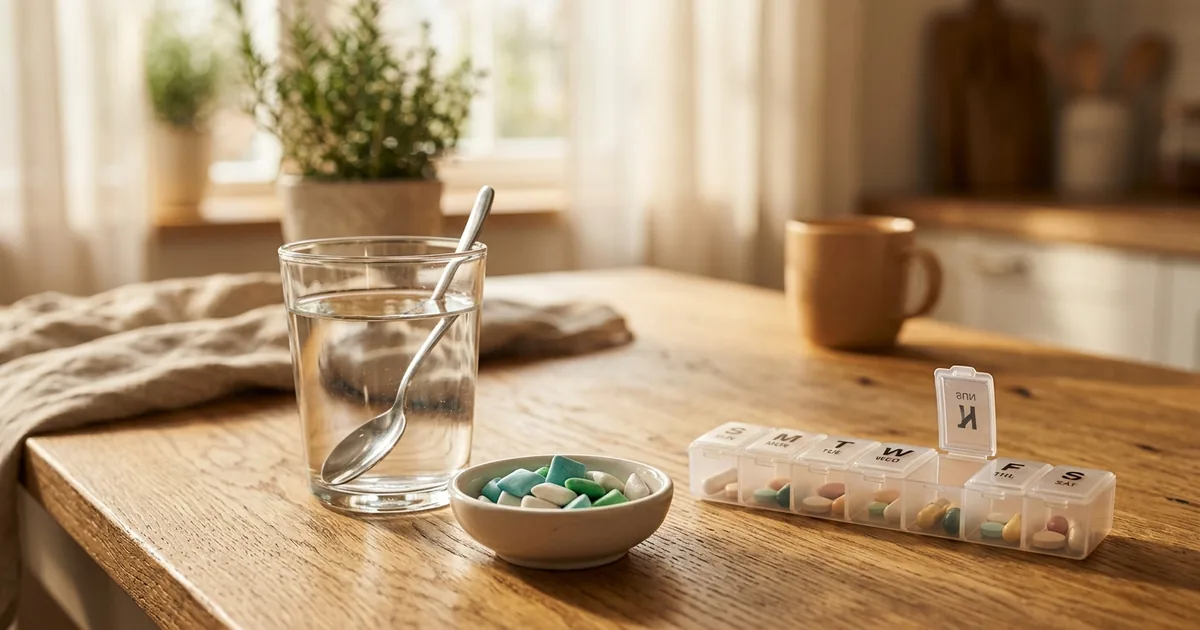
The most frequent cause is medication. Hundreds of common prescription and over-the-counter drugs list dry mouth as a side effect, including many used for blood pressure, allergies, depression, anxiety, and bladder control. Because older adults are more likely to take several medications at once, the drying effects can stack up. Other contributors include certain health conditions and some medical treatments. The key point, echoed by the National Institutes of Health, is that age by itself is not the cause. That matters, because it means dry mouth is usually a treatable side effect rather than something you simply have to accept.
Why dry mouth raises your dental risk
Saliva does more than keep your mouth comfortable. It rinses away food, neutralizes acids, supplies minerals that help strengthen enamel, and keeps harmful germs in check. When saliva drops, that protection drops with it. The result is a higher risk of tooth decay, gum disease, and oral fungal infections like thrush. This is why dry mouth deserves attention rather than being brushed off as a minor irritation, especially for anyone who already has fillings, crowns, or implants to protect. Keeping up with regular cleanings, which we cover in our post on how often to see the dentist, becomes even more important when saliva is low.
How to find relief
- Sip water through the day. Frequent small sips keep tissues moist and help wash away food and acids.
- Chew sugar-free gum. Chewing stimulates saliva flow, and sugar-free keeps it from feeding decay.
- Limit caffeine, alcohol, and tobacco. All of them dry the mouth further.
- Try saliva substitutes. Over-the-counter rinses and sprays made for dry mouth can help when your own saliva is low.
- Review your medications. Ask your physician whether a drying medication has an alternative. Never stop a prescription on your own.
How we help
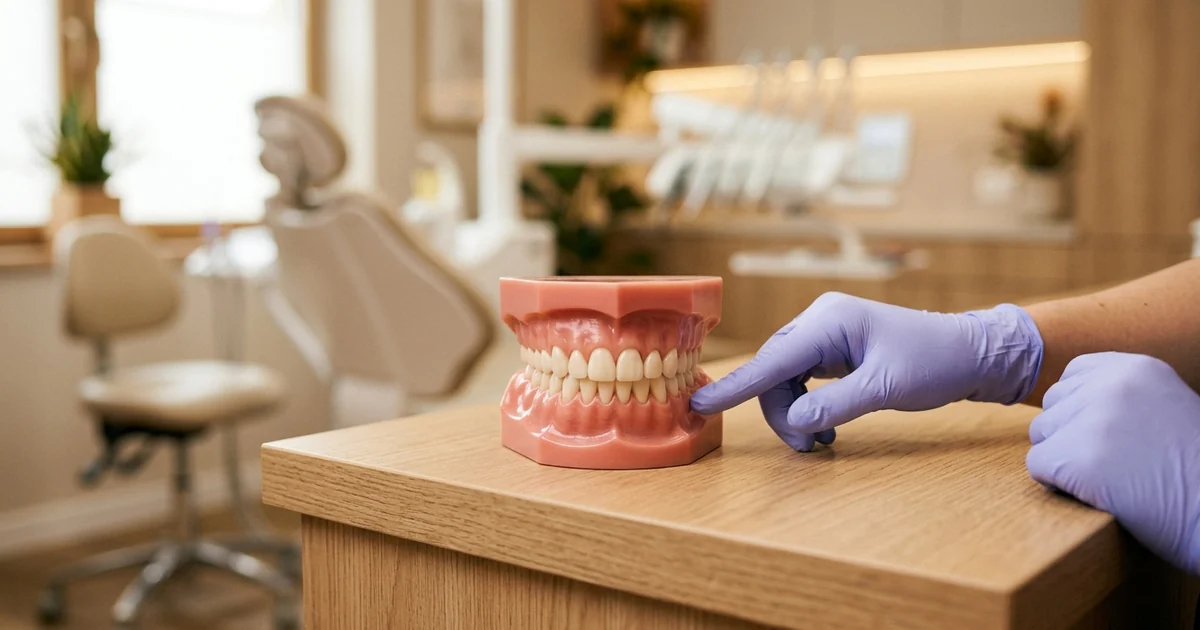
At a dental visit, Dr. Estrada can confirm whether dry mouth is behind symptoms you are noticing, check for early decay before it becomes painful, and recommend products that target the dryness itself. Because dry mouth raises decay risk, we may suggest a more frequent cleaning schedule or extra fluoride to shore up enamel, which we explain in our post on fluoride treatments. The goal is to protect your teeth while you and your physician address the underlying cause. Dry mouth makes a denture rub, and getting used to new dentures has its own post.
Get to the bottom of a dry mouth
A parched mouth is more than uncomfortable; it raises your odds of decay, so it's worth tracing back to its source rather than living with it. Dr. Estrada will look at your medications and your history, shield your teeth against that extra risk, and point you toward relief that actually works for you. Care here comes in English and Spanish, so nobody has to muddle through the explanation. Read more on our general dentistry page. If you are on Medicare, our Medicare page covers what we accept before you come in. Or call (727) 869-3886 and we'll find a time. You can also reach us through the contact page.
Frequently Asked Questions
Is dry mouth a normal part of aging?
No. The National Institute of Dental and Craniofacial Research is clear that dry mouth is not a normal part of getting older. It is usually a side effect of medications, and since older adults tend to take more of them, it becomes more common with age. That also means it is usually treatable.
Why does dry mouth cause cavities?
Saliva rinses away food, neutralizes acids, supplies minerals that strengthen enamel, and keeps harmful germs in check. When saliva drops, that protection drops too, raising the risk of tooth decay, gum disease, and oral fungal infections. That is why dry mouth deserves attention rather than being ignored.
What medications cause dry mouth?
Hundreds of common prescription and over-the-counter drugs list it as a side effect, including many for blood pressure, allergies, depression, anxiety, and bladder control. Because older adults often take several at once, the drying effects can add up. Ask your physician about alternatives, but never stop a prescription on your own.
How can I relieve dry mouth?
Sip water through the day, chew sugar-free gum to stimulate saliva, limit caffeine, alcohol, and tobacco, and try over-the-counter saliva substitutes made for dry mouth. Ask your physician whether a drying medication has an alternative. A dentist can also recommend extra fluoride and more frequent cleanings to protect your teeth.