Seeing a second row of teeth coming in behind your child's baby teeth is usually nothing to worry about. It is common enough that parents nicknamed it shark teeth, and it most often shows up around age 6 when the lower front teeth start changing over. In the majority of cases it sorts itself out on its own. Still, there are a few signs worth watching for, so it helps to know what is normal and when a quick call makes sense.
What are shark teeth and why do they happen?
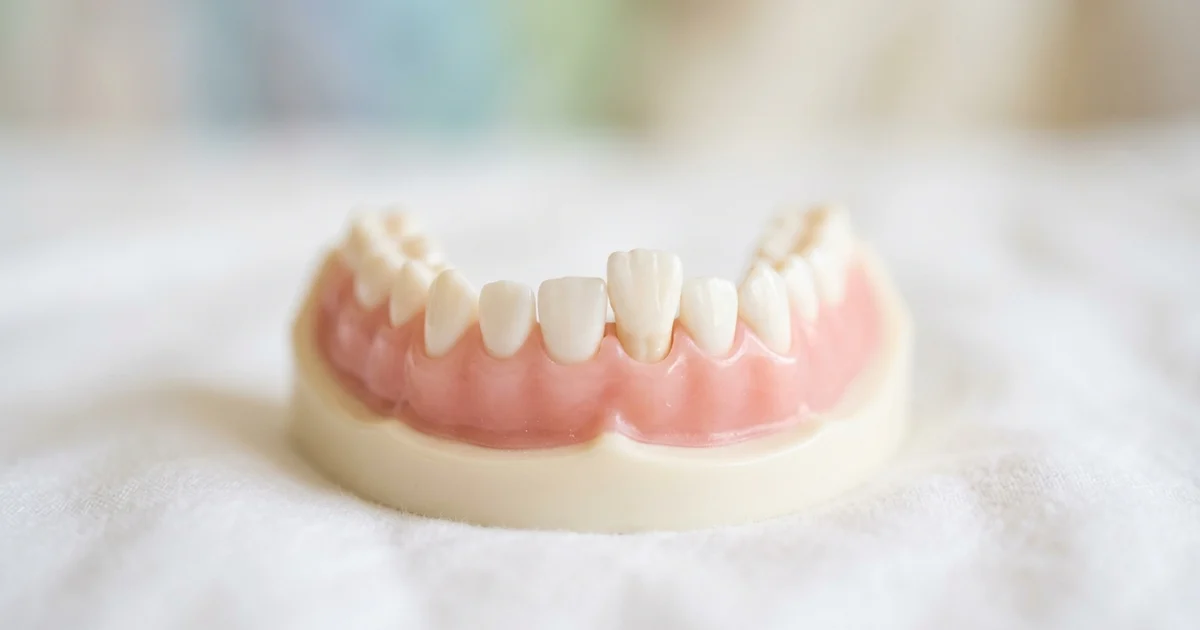
Shark teeth describe a permanent tooth coming in behind a baby tooth that has not fallen out yet. Normally the adult tooth pushing up dissolves the root of the baby tooth, which loosens and falls out, leaving a clear path. Sometimes the permanent tooth comes up just behind instead of straight underneath, so it erupts while the baby tooth is still hanging on. The result is two rows for a little while, which looks dramatic but is rarely a real problem.
Is it normal for adult teeth to come in behind baby teeth?
It is very normal, especially with the lower front teeth around ages 5 to 7 and again with the upper back teeth a bit later. The baby tooth is often still fairly snug when the new one appears, which is what catches parents off guard. In most children the baby tooth loosens within a few weeks as its root keeps dissolving, and the situation works itself out without any treatment at all. A wiggly baby tooth in front of a new one is a good sign things are moving.
Will the new tooth move into place on its own?
In most cases, yes. Once the baby tooth comes out, there is usually enough room for the permanent tooth to drift forward into its proper spot. The tongue plays a quiet but real part here, nudging the new tooth toward the gap during normal eating and talking. This can take a few weeks to a couple of months, so a tooth that looks out of line at first often straightens up nicely once its baby neighbor is gone and there is space to settle.
When should you call the dentist about shark teeth?
Call if the baby tooth has not loosened at all after a couple of months, or if it stays firmly in place while the permanent tooth keeps growing. Also call if your child has pain, swelling, or trouble eating, or if the baby tooth is loose but stubbornly will not come out. In those cases Dr. Estrada may gently help the baby tooth along so the permanent one has room to move. If there is sudden pain, our guide on whether a toothache is an emergency can help you judge the urgency.
How can you help the baby tooth come out?
The simplest help is encouraging your child to wiggle a loose baby tooth with a clean finger or tongue, gently and often. Crunchy foods like apples and carrots can also coax a loose tooth out naturally during normal chewing. Do not force or yank a tooth that is not ready, since that can hurt and cause bleeding. If it is loose but not budging after a fair while, let us take a look rather than pulling at it at home.
A second row of teeth usually sorts itself out
Most of the time a permanent tooth coming in behind a wobbly baby tooth is normal, and the baby one works loose on its own within a few weeks. When the timing feels off or the front tooth just won't budge, a quick look settles it and catches the rare case that needs a nudge. We keep these visits easy for kids, in English or Spanish, whichever your family is comfortable with. See our children's dentistry page, and if you're still picking a dentist, our post on questions to ask a family dentist helps. Bring your child by: call (727) 869-3886 or set a time on our contact page.
Frequently Asked Questions
Are shark teeth in kids a serious problem?
Usually not. Shark teeth simply mean a permanent tooth came in behind a baby tooth that has not fallen out yet. It is common around age 6 and most often resolves on its own as the baby tooth loosens and falls out within a few weeks.
How long does it take for shark teeth to correct themselves?
Once the baby tooth falls out, the permanent tooth usually drifts into place over a few weeks to a couple of months. The tongue helps nudge it forward during normal eating and talking. If the baby tooth is not loosening after a couple of months, call the dentist.
Should I pull my child's loose baby tooth at home?
You can encourage your child to gently wiggle a loose tooth, and crunchy foods can help it come out naturally. Do not force or yank a tooth that is not ready, since that can cause pain and bleeding. If it stays stuck, have a dentist take a look.
When do shark teeth need a dentist's help?
Call if the baby tooth has not loosened after a couple of months, if your child has pain or swelling, or if the baby tooth will not come out while the permanent one keeps growing. A dentist can gently help the baby tooth along so the new one has room.