No, you're not too old for braces at 40, 50, or even later. Teeth can move at almost any age, so the real question isn't your birthday but the health of your gums, bone, and existing teeth. Plenty of adults straighten their smiles long after their kids have grown.
Here in West Pasco County, our patient base skews a little older, and we hear this worry often. The American Association of Orthodontists has reported that roughly one in three orthodontic patients is now an adult. You are in good company.
Is There Really No Age Limit for Braces?
Age alone almost never rules out braces. What matters is whether the supporting structures around your teeth are sound. Healthy gums and adequate bone let teeth shift safely, whether you're 18 or 68.
Adults who've kept up with cleanings and have stable gum health often make excellent candidates. The teeth move a touch slower than they do in teenagers, but they still move predictably.
If you've had some bone loss or gum disease in the past, that doesn't automatically disqualify you. It just means we'll want everything stable first. A solid foundation matters more than the calendar.
What's Different About Adult Treatment Compared to Kids?
The biggest difference is that adult jaws have finished growing, so we work with the bone structure you already have rather than guiding growth. That can change which approaches make sense, but it rarely prevents good results.
Adult treatment also tends to involve more existing dental work. Crowns, bridges, fillings, and the occasional missing tooth all factor into the plan. We map around them carefully.
Gum health gets extra attention too. Because adults are more prone to gum issues, keeping up with routine cleanings and oral hygiene during treatment really pays off. Healthy gums make the whole process smoother.
Timelines can run a little longer for adults, though many cases still finish in a familiar range. Every mouth is different, so we give you an estimate after a proper exam.
Why Do So Many West Pasco Adults Wait Until Now?
Most adults who finally start braces tell us they simply never had the chance as kids. Braces weren't offered, weren't affordable at the time, or the family moved before treatment finished. The desire never went away.
Some have noticed their teeth shifting with age. Teeth tend to crowd over the decades, especially the lower front ones, and that gradual drift pushes people to ask about orthodontic options.
Others are motivated by health rather than looks. Straighter teeth are easier to clean, which can lower the risk of decay and gum trouble in spots that were always hard to reach.
Will Braces Be Comfortable and Discreet Enough as an Adult?
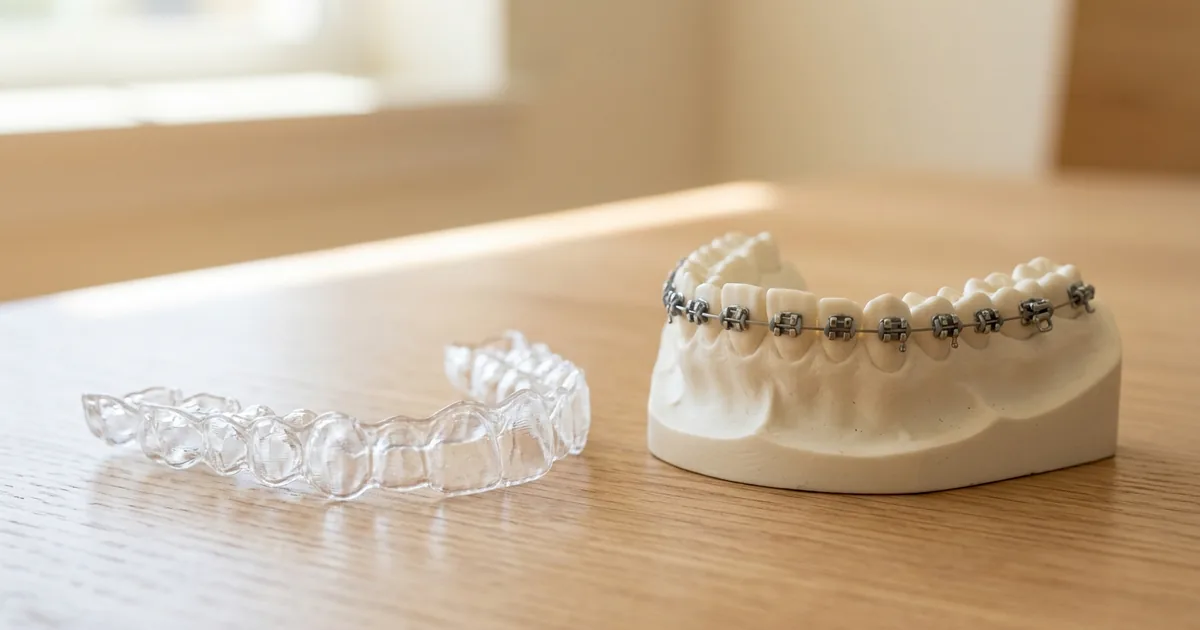
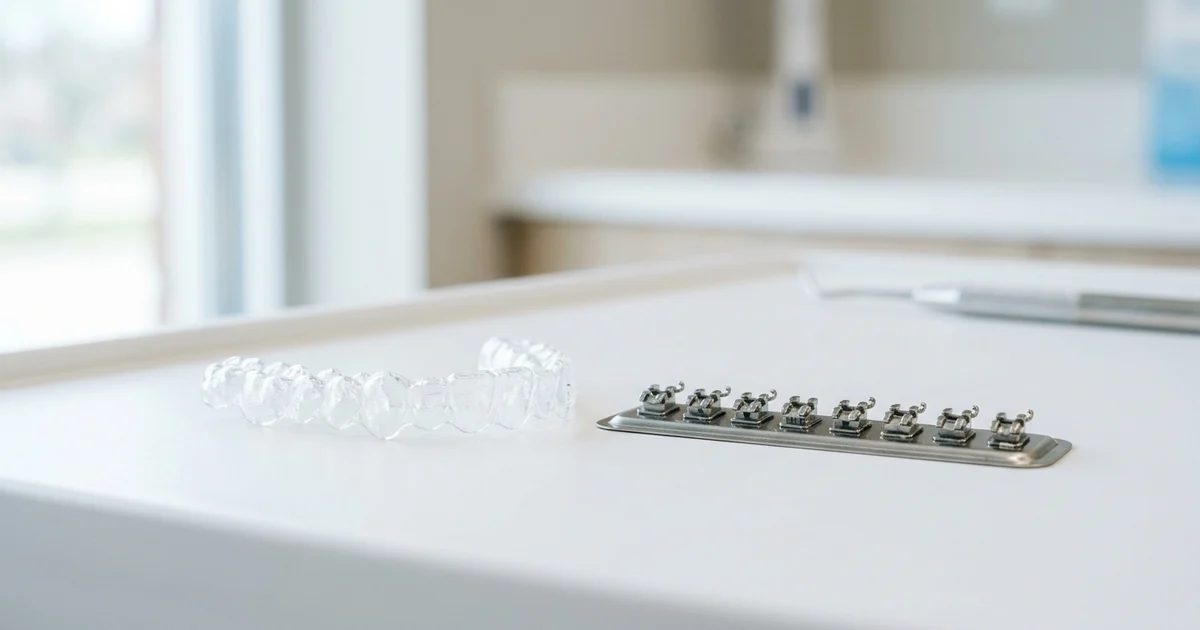
Modern options are far more comfortable and subtle than the braces many adults remember from school. You have choices that range from traditional brackets to other discreet systems, depending on your bite and goals.
Soreness after placement and adjustments is normal but usually mild and short lived. Most adults adapt within a few days and barely think about their braces after the first couple of weeks.
If dental visits make you tense, that's common and manageable. We talk through comfort options openly, including gentle sedation when it helps. Nobody should avoid care out of nerves.
Forty, fifty, or older, it's not too late
Plenty of our orthodontic patients started in their forties, fifties, and beyond, so age is rarely the deciding factor. Healthy teeth move at any age. Before we recommend anything, Dr. Estrada checks your gums, bone, and teeth, then walks you through what's realistic and how long it tends to take. See what's possible on our clear aligners page, which is the route most adults ask about first. Ready to sit down and look at it together? Call (727) 869-3886. Prefer to write first? Use our contact page.
Frequently Asked Questions
Is 50 too old to get braces?
No. There is no upper age limit for braces. What matters is the health of your gums, bone, and teeth, not your age. Many adults in their 50s and beyond straighten their teeth successfully. After an exam to confirm everything is stable, treatment can proceed much like it would for a younger patient.
Do braces work slower for adults?
Adult teeth often move a little more slowly than a teenager's because the jaw has finished growing and the bone is denser. The difference is usually modest. Many adult cases still finish in a typical timeframe. Your dentist can give you a realistic estimate after reviewing your specific bite and goals.
Can I get braces if I have crowns or missing teeth?
Often yes. Crowns, bridges, and even some missing teeth can be worked around in an orthodontic plan. Your dentist will map the movement carefully so existing dental work stays protected. In some cases, missing-tooth gaps can actually be closed or repositioned to improve both function and appearance.
Will braces hurt my gums if I have had gum problems before?
A history of gum issues does not automatically rule out braces, but your gums should be stable first. Keeping up with cleanings during treatment is important because braces make teeth a bit harder to clean. With healthy gums and good hygiene, most adults move through treatment comfortably.