Dentists decide between a filling, inlay, onlay, or crown mainly by how much healthy tooth structure is left. Small cavities get a filling, medium damage that is too big for a filling but not severe gets a lab-made inlay or onlay, and a tooth with most of its structure or cusps compromised gets a crown. The goal is to keep as much natural tooth as possible.
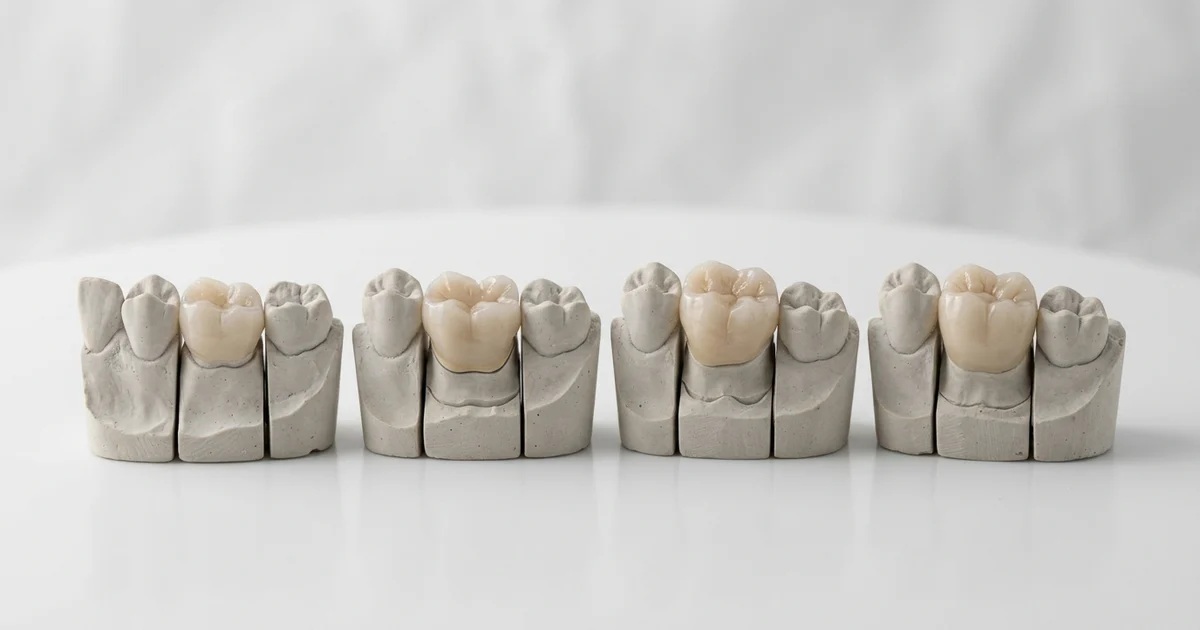
Think of it as a ladder. Each step preserves more of your real tooth than the next, and a good dentist climbs only as high as the damage requires. Each rung up that ladder covers more of the tooth.
| Restoration | Use when | How much it covers | Made |
|---|---|---|---|
| Filling | Small to moderate cavity, strong walls remain | Fills inside the tooth | In one visit |
| Inlay | Too big for a filling, cusps still solid | Sits within the grooves, between cusps | Lab-made or milled |
| Onlay | One or more cusps damaged, walls worth saving | Covers the affected cusps | Lab-made or milled |
| Crown | Most of the structure or cusps compromised | Covers the whole tooth to the gumline | Lab-made or milled |
When is a simple filling enough?
A filling is the right choice for small to moderate cavities where plenty of healthy tooth remains around the repair. If you can feel the hole and it hurts, our post on a hole in a tooth that hurts covers how soon to be seen. The dentist removes the decay and packs the space with tooth colored composite that bonds directly to the tooth in a single visit. Some cold sensitivity in the days after is common, and day by day sensitivity after a filling has its own post.
Fillings work best when the damage sits within the walls of the tooth and the surrounding structure is still strong. They are quick, affordable, and conserve the most tooth.
Their limit is size. Once a cavity grows large enough that a filling would leave thin, weak walls, packing in more composite can actually set the tooth up to crack. That is the signal to step up the ladder.
What is an inlay, and when is it used?
An inlay is a custom restoration, made in a lab or milled in the office, that fits neatly inside the grooves of a tooth, between the cusps, used when damage is too big for a filling but the cusps are still solid. It is bonded into place as one solid, precise piece.
Because an inlay is made outside the mouth and then fitted, it is stronger and more durable than a large filling in the same spot. It restores the chewing surface without covering the cusps.
Inlays shine on back teeth with a sizable cavity in the center. They give you strength close to a crown while removing less tooth structure, which fits a conservative philosophy.
How is an onlay different from a crown?
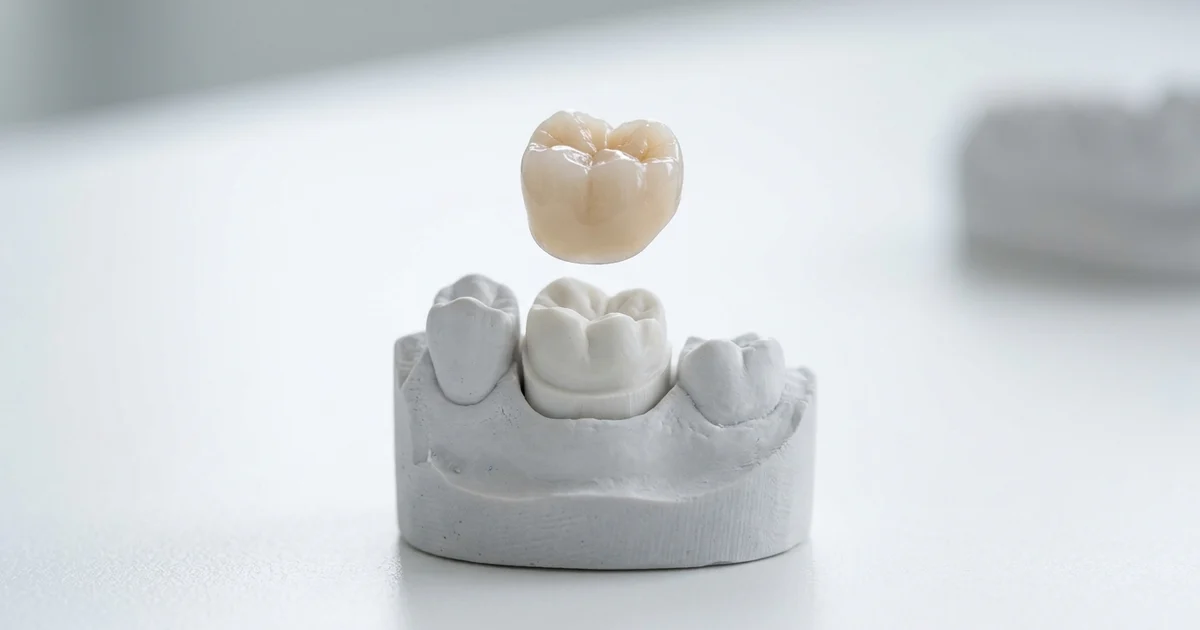
An onlay covers one or more cusps of the tooth but leaves the rest intact, while a crown covers the entire tooth down to the gumline. An onlay is the middle ground for a tooth that needs more than an inlay but still has healthy walls worth saving.
Onlays are sometimes called partial crowns for this reason. They rebuild the worn or broken cusps while preserving the parts of your tooth that are still strong.
This matters because every bit of natural tooth you keep helps the restoration last. Same day technology can mill many inlays and onlays in one visit, as our guide on same day CEREC restorations explains.
When does a tooth truly need a crown?
A crown is needed when most of the tooth structure or several cusps are compromised, when a tooth is cracked, or after a root canal on a back tooth. The crown wraps the whole tooth and holds it together so it can handle full chewing force.
If walls are thin, a large old filling is failing, or a tooth has fractured, partial restorations may not hold. Full coverage spreads the load and protects against further breakage. Our overview of what a dental crown does covers this in depth, and cracked tooth syndrome is a common reason crowns are chosen.
A crown removes more tooth than the other options, so it sits at the top of the ladder for a reason. It is the right call when nothing smaller would reliably last.
Why do dentists favor the most conservative option?
Most dentists favor the smallest restoration that will do the job because preserving natural tooth structure gives the best long-term outcome. The more healthy tooth you keep, the stronger the foundation under any repair, now and years from now.
That is why a thoughtful dentist will not jump straight to a crown if an onlay would serve you just as well. Climbing the ladder one step at a time respects your tooth and often your budget too.
If cost factors in, options like CareCredit can help. To compare related choices for front teeth, see our guide on veneers, bonding, and crowns compared.
The right repair starts with seeing the tooth
We stop at the smallest repair that will do the job, saving as much natural tooth as we can. Dr. Estrada will show you the damage and explain which step fits your tooth and why.
Filling, inlay, onlay, crown: the choice comes down to how much sound tooth is left to build on, and that's something we can only judge by looking. Dr. Estrada favors the most conservative option that will actually hold, so you keep as much of your own tooth as possible. Bring it in and we'll walk you through what we see and why. Read more about our restorative treatments, then call (727) 869-3886 or reach us through the contact page.
Frequently Asked Questions
What is the difference between an inlay and an onlay?
An inlay fits inside the grooves of a tooth, between the cusps, while an onlay also covers one or more of the cusps themselves. Both are custom-made restorations stronger than a large filling. An onlay is sometimes called a partial crown because it rebuilds cusps without covering the entire tooth.
Why not just get a large filling instead of an inlay or onlay?
Very large fillings can leave thin, weak walls that are prone to cracking under chewing force. Inlays and onlays are made as solid, precise pieces and bonded in, giving more strength and durability in the same spot. They are a sturdier middle option when damage is too big for a standard filling.
How does an onlay compare to a crown?
An onlay covers one or more cusps while preserving more of your natural tooth, whereas a crown covers the whole tooth down to the gumline. An onlay is chosen when the tooth still has healthy walls worth saving, and a crown is used when most of the structure is compromised. Your dentist weighs both the remaining tooth structure and the long-term durability before recommending one over the other.
How do I know if my tooth needs a crown or something smaller?
It depends on how much healthy tooth remains. Small cavities suit a filling, medium damage suits an inlay or onlay, and a tooth with most of its structure compromised, cracked, or root-canaled usually needs a crown. Only an exam and X-ray can confirm which option will reliably last for your tooth.