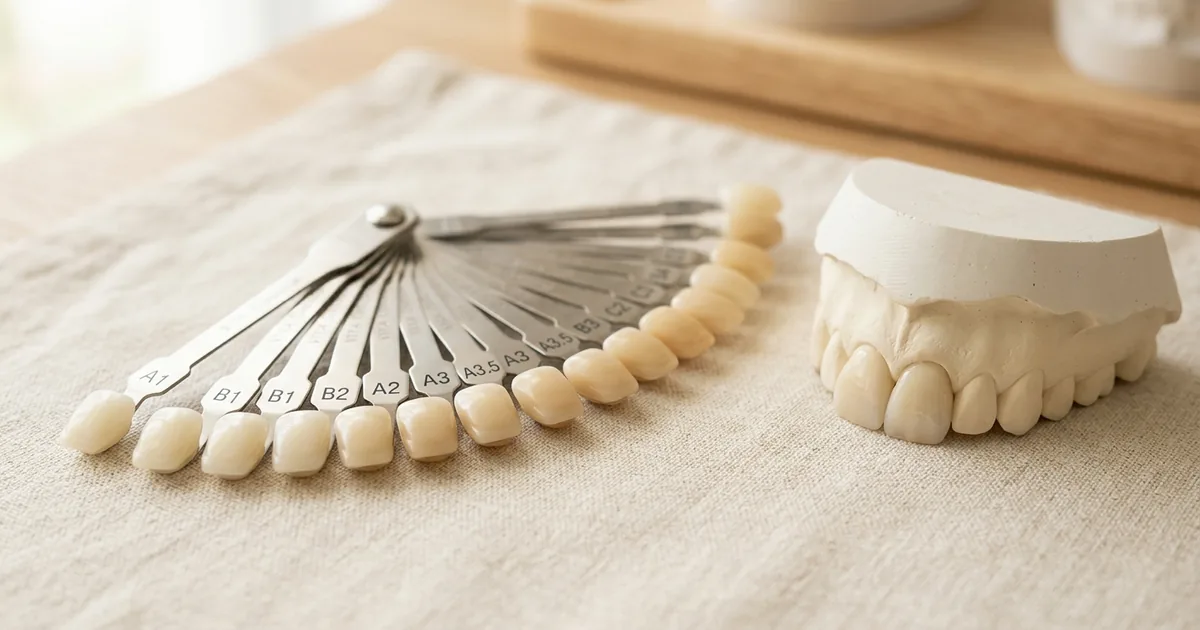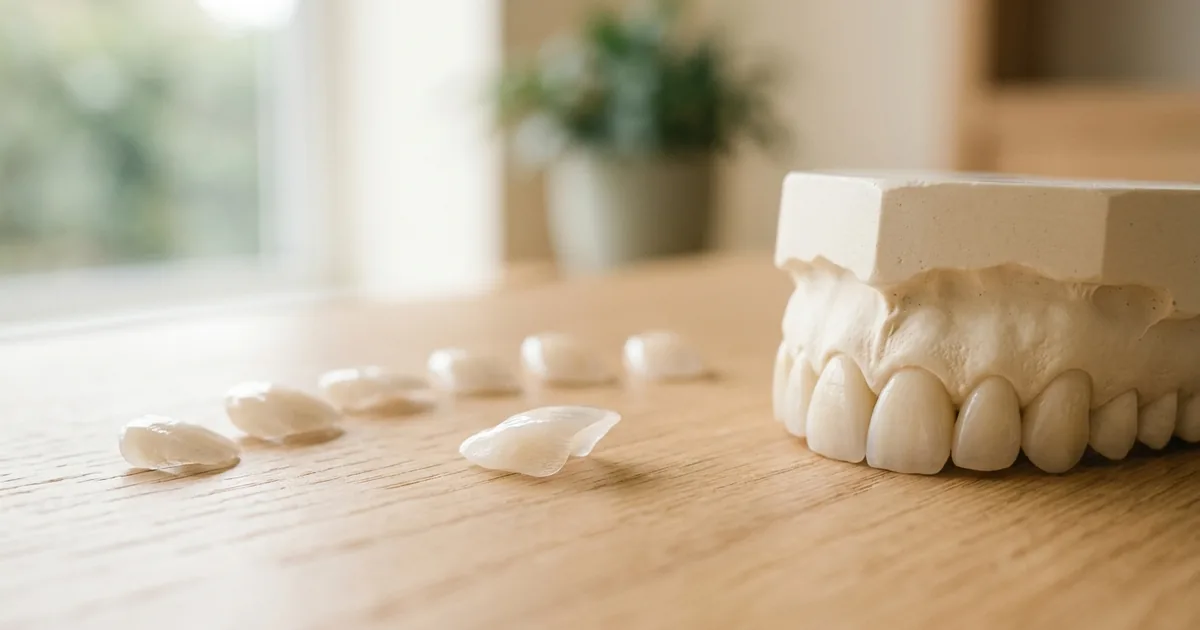

If you want to fix a chipped, stained, or uneven smile, three options come up: bonding, veneers, and crowns. The short version is that bonding is the fastest and least involved, veneers give the biggest cosmetic transformation, and crowns are the choice when a tooth needs real structural strength, not just a better look. Which one is right depends on whether your goal is mostly cosmetic or whether the tooth itself is damaged. Each one suits a different amount of damage and a different budget for tooth structure.
Dental bonding, the quick fix
Bonding uses a tooth colored resin that Dr. Estrada applies directly to the tooth, shapes by hand, and hardens with a light. It is usually done in a single visit and requires little or no removal of your natural tooth. It is a great fit for small chips, minor gaps, and small shape corrections. The trade-off is that bonding is not as strong or as stain-resistant as porcelain, so it may need touching up over the years.
Veneers, the cosmetic transformation
Veneers are thin shells of porcelain bonded to the front of your teeth. They cover a lot of issues at once: stubborn stains that will not lift even with professional teeth whitening, chips, gaps, and slightly crooked or uneven teeth. Because porcelain reflects light like natural enamel, the result looks very natural and resists staining for years. Veneers usually take a couple of visits and involve removing a thin layer of enamel, which makes them a permanent commitment. If you want a full smile upgrade, this is often the option that delivers it.
Crowns, for teeth that need strength
A crown covers the entire tooth, not just the front. That matters because a crown is the choice when a tooth is cracked, heavily decayed, or weakened, often after a root canal. It restores both the look and the function of the tooth and protects what is left of it. Crowns are the strongest of the three and the right call when the tooth needs structural help, not just a cosmetic touch-up. We cover how crowns work and same day options in our post on what a dental crown does.
How to choose
- Small chip or gap, want it done in a single visit? Bonding.
- Want to transform the look of several teeth at once? Veneers.
- Tooth is cracked, decayed, or weak and needs to last? Crown.
| Option | Mainly for | Visits | Tooth structure removed | Strength |
|---|---|---|---|---|
| Bonding | Small chips, minor gaps | Usually one | Little or none | Lowest, may need touch-ups |
| Veneers | A full cosmetic upgrade | A couple | A thin layer of enamel | Strong, stain-resistant porcelain |
| Crown | Cracked, decayed, or weak teeth | One or two | Shaped on all sides | Strongest, full coverage |
One more thing worth knowing: these are not the only path to a better smile. If your main concern is crooked teeth rather than their color or shape, straightening them first may be the better answer. Dr. Estrada can talk through whether that route makes sense for you before any cosmetic work. Whitening is another step that usually comes first, and the post on whitening with crowns, veneers, or old fillings explains why.
Cosmetic versus restorative
One distinction worth understanding is whether the work is mainly cosmetic or restorative. Veneers and bonding done to improve appearance are considered cosmetic. A crown placed to rebuild a cracked or decayed tooth is restorative, because it brings back function and protects the tooth. The line matters because it shapes the conversation about your options, and our team is happy to walk you through it and the CareCredit financing we offer.
Pick the fix that matches the tooth
The fastest way to settle it is to call (727) 869-3886 and let Dr. Estrada see the tooth in person. A chipped corner, a stubborn stain, a tooth that's been through too much: each one points to a different answer, and the answer isn't always the biggest one. Point at what bugs you in the mirror and he'll tell you whether bonding handles it or you want porcelain. Compare the routes on our veneers and dental bonding pages, or write to us through the contact page.
Frequently Asked Questions
What is the difference between veneers, bonding, and crowns?
Bonding is the quickest and least involved, good for small chips and gaps. Veneers give the biggest cosmetic transformation across several front teeth. A crown is the choice when a tooth is cracked, decayed, or weak and needs real structural strength, not just a better look.
Which option is best for a small chip?
Bonding is usually the best fit. It uses a tooth colored resin applied directly to the tooth, shaped by hand, and hardened with a light, often in a single visit with little or no removal of your natural tooth.
Are veneers permanent?
Veneers are a permanent commitment because a thin layer of enamel is removed to place them. That is part of why it is worth planning the result carefully with an experienced dentist and choosing them when you want a lasting cosmetic change.
How do I know which one I need?
It comes down to whether your goal is mostly cosmetic or whether the tooth itself is damaged. The best way to choose is to sit down with Dr. Estrada and look at your teeth together so he can recommend the option that gets the result you want.