
Dental Bonding in Hudson & Port Richey
Repair chips, gaps, and small flaws in a single gentle visit with natural looking dental bonding.
Dental Bonding in Hudson
Dental bonding repairs chips, gaps, and discoloration by applying and shaping tooth colored resin, usually in one visit and without removing healthy enamel. A small chip on a front tooth or a narrow gap that has always nagged at you does not need a big treatment to fix. Bonding is the quickest and least invasive cosmetic option, and Dr. Jaime Estrada uses it for communities along US-19, as one of several cosmetic dentistry choices.
What Dental Bonding Is
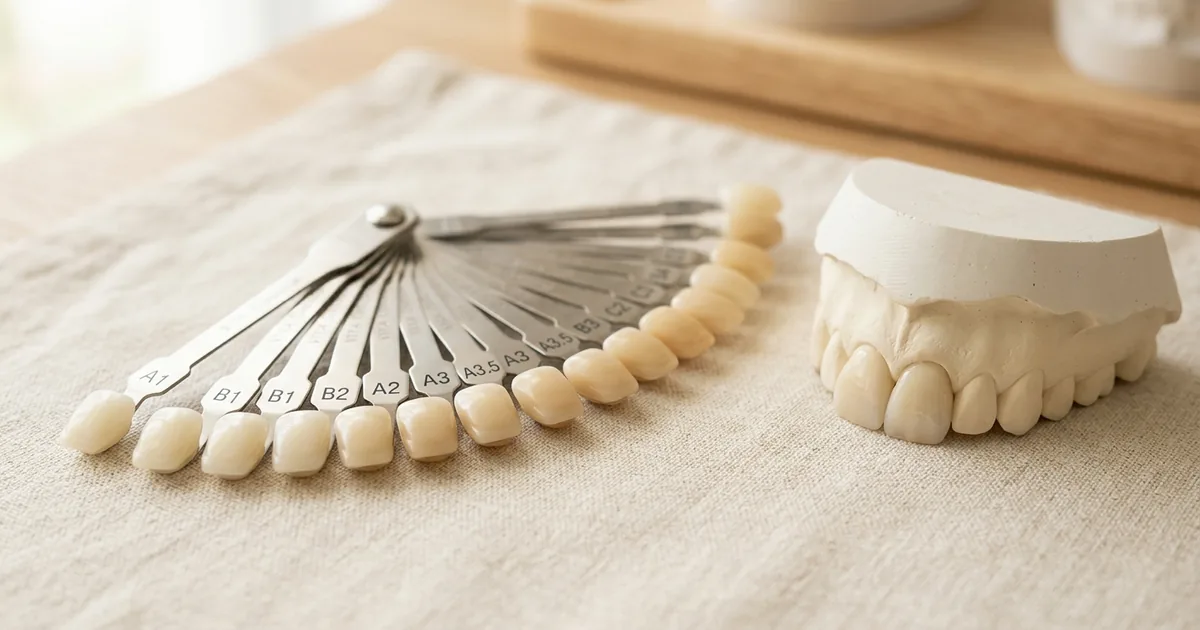
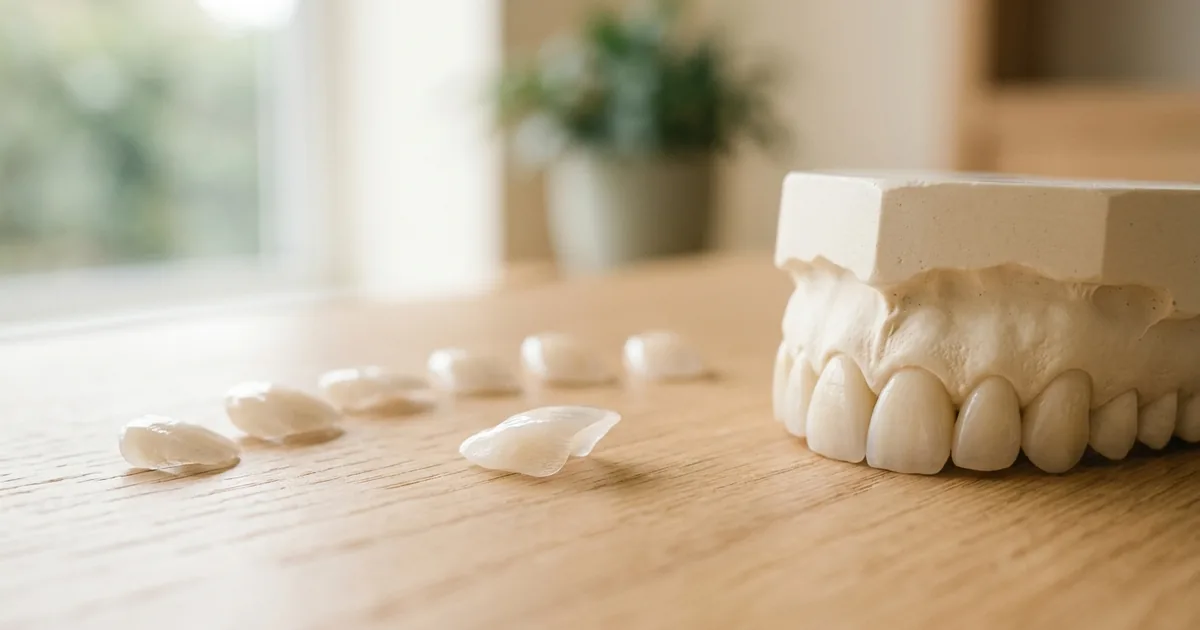
Bonding uses a composite resin, the same tooth colored material used in tooth colored fillings. Dr. Estrada applies it in layers, sculpts it to the right shape, and hardens it with a curing light, then polishes it so it matches the surface and shade of the tooth. Because the resin is added onto the tooth rather than the tooth being ground down, bonding keeps your natural structure intact, which is part of what makes it reversible in a way veneers are not.
What Bonding Can Do
Bonding handles a chipped or cracked edge, a small gap between front teeth, a tooth that is slightly short or uneven, and stains that do not lift with teeth whitening. It is the right tool for small, targeted touch-ups. For a fuller change across several teeth, or for a result that resists staining longer, Dr. Estrada may recommend porcelain veneers instead and will explain the trade-off between the two.
Bonding or Veneers: Which Is Right for Me?
The two are easy to confuse. Bonding is done in one visit, costs less, and removes little or no enamel, but the resin can stain over time and chips more easily than porcelain. Veneers cost more and usually require removing a thin layer of enamel, but they resist stains and last longer. A good rule of thumb: bonding for one or two small fixes, veneers when you want to reshape a whole smile. Dr. Estrada will walk through which makes sense for what you want changed.
| Factor | Dental bonding | Porcelain veneers |
|---|---|---|
| Visits | Usually one | Two or more |
| Up-front cost | Lower | Higher |
| Enamel removed | Little or none | A thin layer |
| Stain resistance | Stains over time | Resists staining |
| Best for | One or two small fixes | Reshaping a whole smile |
What Your Visit Looks Like
Most bonding needs no anesthesia. Dr. Estrada lightly roughens the surface so the resin grips, applies a bonding liquid, then builds and shapes the composite to match. A curing light hardens each layer, and a final polish blends the edges into the tooth. The whole thing usually takes well under an hour for a single tooth, and you can see the result in the mirror before you leave.
Making It Last
Bonding holds up for years with normal care. Brush and floss as usual, keep your checkups, and ease off habits that chip it, like crunching ice or biting your nails. Resin can pick up stain from coffee and tobacco more than enamel does, so cutting back helps it stay matched. If an edge chips or stains down the road, it is simple for Dr. Estrada to touch up or refresh.
Schedule a Bonding Visit
If a small chip or gap has been bothering you, bonding is often the easiest fix. Call (727) 869-3886 to schedule with Dr. Estrada at our Hudson or Port Richey office.
Reviewed by Dr. Jaime Estrada, DDS, caring for Pasco and Hernando County families for over 30 years. Last reviewed June 2026.
Part of our Cosmetic Dentistry services.
Frequently Asked Questions About Dental Bonding
Most bonding treatments are finished in a single, comfortable visit with little to no downtime. It is one of the quickest ways to refresh a small flaw in your smile.
Bonding can repair chips and cracks, close small gaps, reshape uneven teeth, and cover stubborn stains. It is a great option when you want to tidy up a few small concerns without a bigger treatment.
With good care, bonding can last for several years. Avoiding habits like biting your nails or chewing ice, along with regular checkups, helps it stay looking its best.
Bonding material can chip or stain more easily than natural enamel, so avoid biting nails, pens, or ice, and do not use your teeth as tools. Brush and floss as usual, and cut back on coffee, tea, and red wine to keep the color even. Regular checkups let Dr. Estrada polish the bonding and touch it up if needed.
Communities We Serve for Dental Bonding
Families across west Pasco and the surrounding area travel to our Hudson and Port Richey offices for this treatment. See how we care for patients in your community.