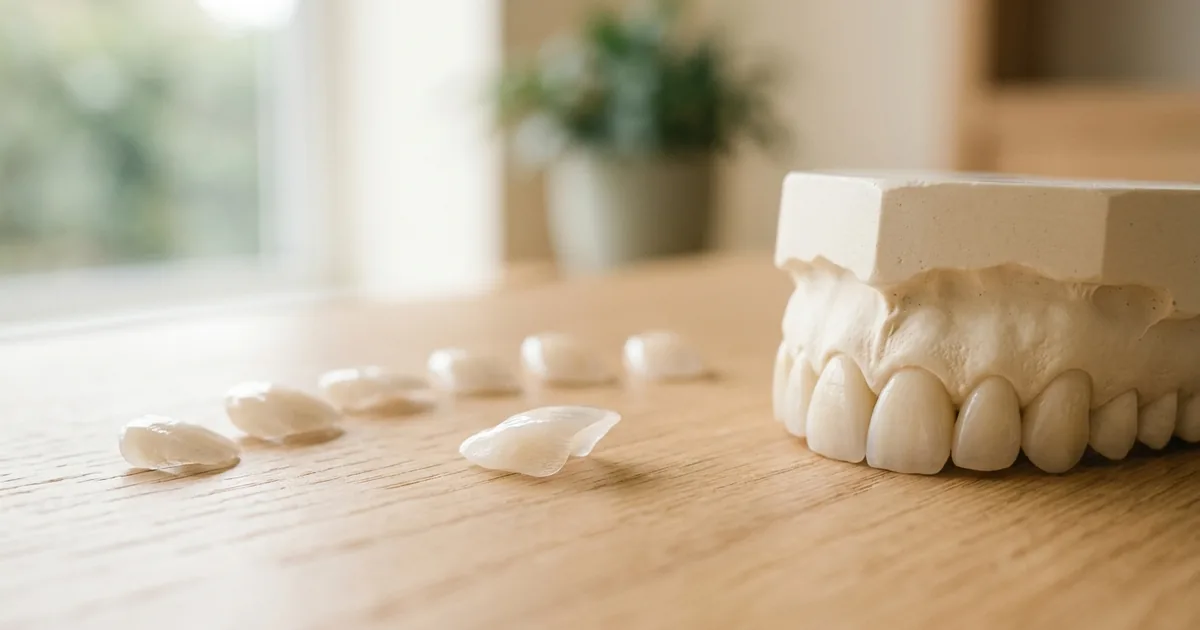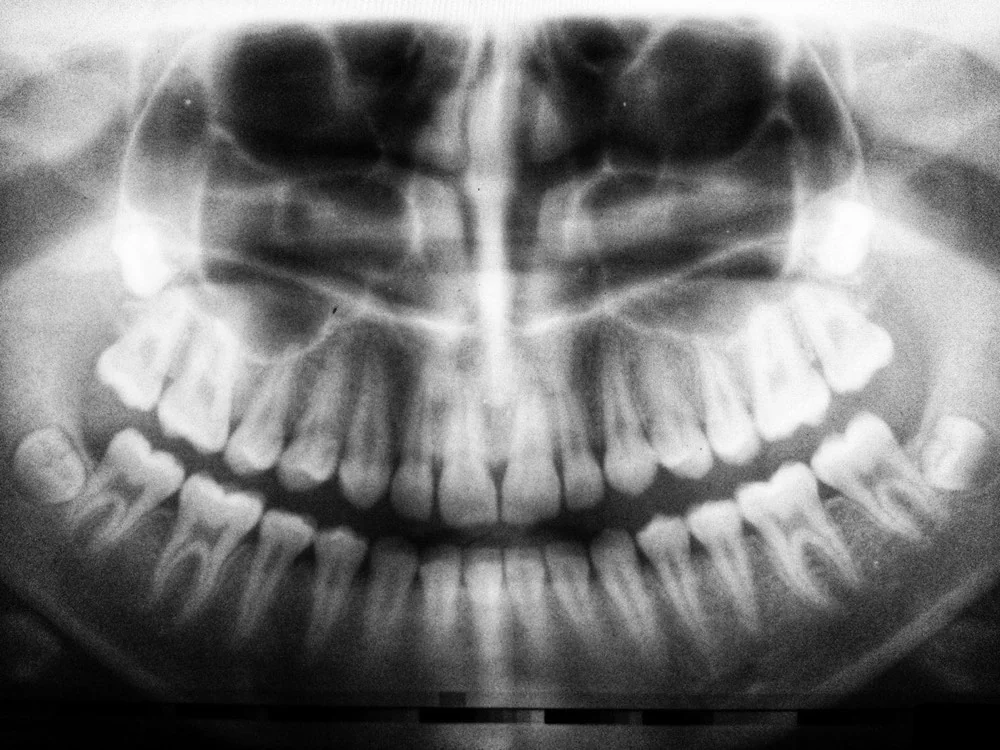
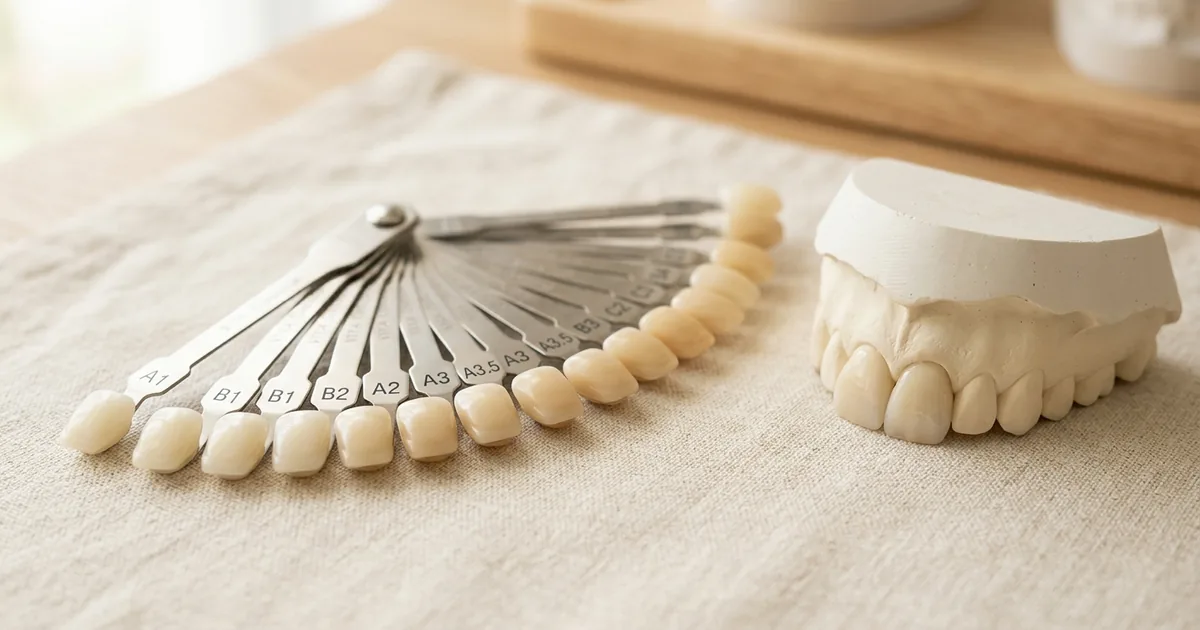
Dental bonding is a quick, conservative cosmetic treatment where Dr. Estrada applies a tooth colored resin to a tooth, shapes it, and hardens it to repair a chip, close a small gap, or cover a stain. It usually takes one visit, often needs no numbing, and removes little or none of your natural tooth. It is one of the simplest and least invasive ways to improve a smile, though it is not as long-lasting or stain-resistant as porcelain options. For the right situation, it is a simple, same day fix.
What bonding can do
Bonding is a flexible little treatment that handles a surprising range of small cosmetic issues:
- Repair a chipped or cracked tooth
- Close small gaps between teeth
- Cover stains or discoloration that do not respond to whitening
- Make a tooth look a bit longer or reshape an uneven edge
- Protect a tooth's root that has been exposed by receding gums
How the procedure works
Bonding is about as straightforward as cosmetic dentistry gets. Dr. Estrada matches the resin to the shade of your natural teeth, lightly prepares the surface so the material grips, then applies the putty-like resin and sculpts it into shape by hand. A special light hardens it in seconds, and a final polish blends it in. The whole thing usually takes well under an hour for a single tooth, and because it is gentle, you often do not need any numbing at all.
How bonding compares to veneers and crowns
The big advantages of bonding are speed, simplicity, and how little of your tooth it touches. It is typically done in one visit, is one of the more conservative cosmetic options, and unlike veneers it does not usually require removing enamel. The trade-off is durability. Bonding resin is strong but not as tough or stain-resistant as porcelain, so it may chip or discolor over time and usually needs touching up sooner than veneers. For a deeper comparison, see our post on veneers, bonding, or crowns. If a tooth is badly damaged rather than just cosmetically flawed, a crown may be the sturdier answer.
Caring for bonded teeth
Bonded teeth do not need special products, just sensible habits. Brush and floss as usual, and try not to bite your nails, chew ice, or use your teeth to open things, since the resin can chip. Because it can pick up stain over the years, going easy on coffee, red wine, and tobacco helps it stay bright. With reasonable care, bonding lasts several years before it needs a refresh, and touch-ups are simple. Since whitening does not change the resin, what whitening does to crowns, veneers, and fillings has its own post.
Is bonding right for you?
Bonding is an excellent choice for minor cosmetic fixes when you want a fast, low-commitment improvement. If you are looking to transform several teeth at once or want the longest-lasting, most stain-proof result, veneers may serve you better. The right call depends on your teeth and your goals, and it is often part of a broader smile makeover plan.
That chip could be gone by lunch
A nicked edge or a gap that's been nagging at you for years is often settled in a single visit with no drilling. Dr. Estrada will look at the tooth and say if bonding is the smart call here or if something sturdier would hold up better over time. Our dental bonding page covers the procedure itself, and veneers are worth a look if you want something that holds its finish longer. When you want it handled, call (727) 869-3886 or grab a slot through the contact page.
Frequently Asked Questions
What can dental bonding fix?
Bonding handles many small cosmetic issues: a chipped or cracked tooth, small gaps between teeth, stains that do not respond to whitening, an uneven edge, or a root exposed by receding gums. It is a flexible, conservative treatment.
Does bonding hurt or need numbing?
Usually not. Because bonding removes little or none of your natural tooth, you often do not need any numbing at all. The whole thing typically takes well under an hour for a single tooth.
How long does bonding last?
With reasonable care, bonding lasts several years before it needs a refresh, and touch-ups are simple. It is strong but not as tough or stain-resistant as porcelain, so it may chip or discolor sooner than veneers.
Should I choose bonding or veneers?
Bonding is excellent for minor fixes when you want a fast, low-commitment improvement. If you want to transform several teeth at once or want the longest-lasting, most stain-proof result, veneers may serve you better. We compare them in our post on veneers, bonding, or crowns.