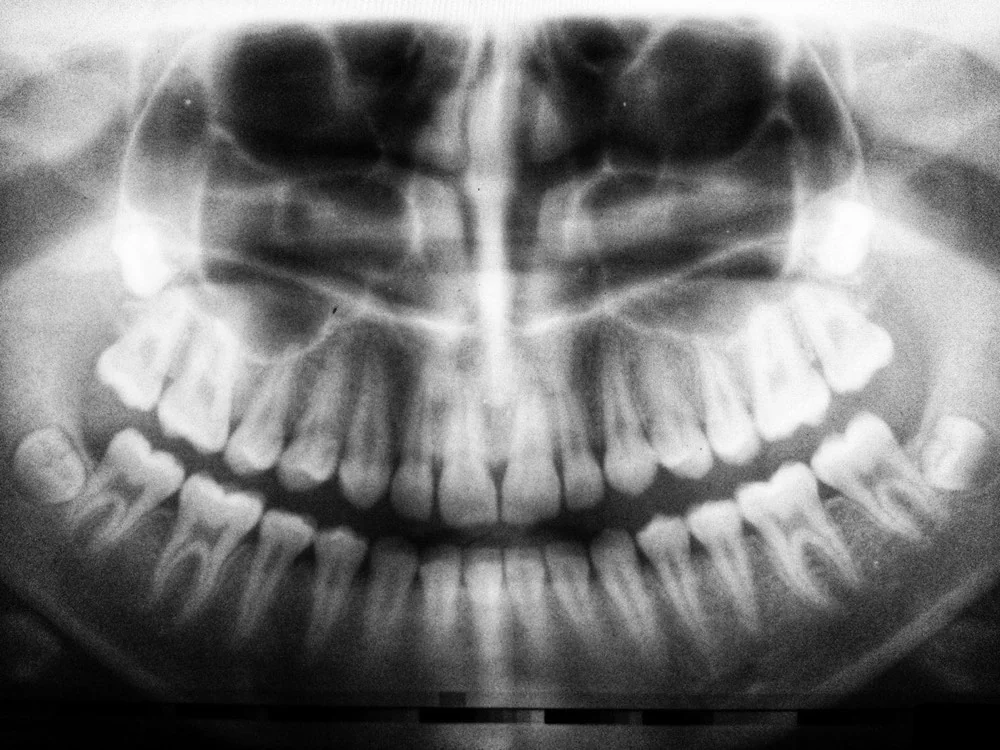
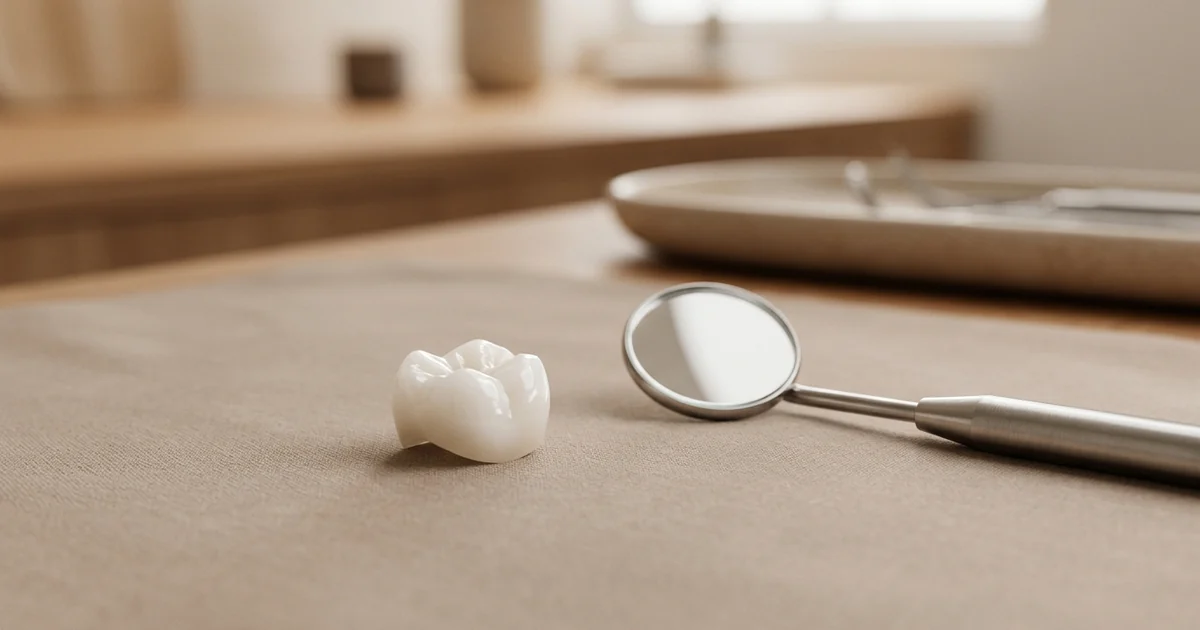
A dental crown is a cap that covers a damaged tooth, restoring its strength, shape, and appearance so it works and looks like a healthy tooth again. When a tooth is cracked, heavily decayed, or weakened, a crown protects what is left and lets you go back to eating and smiling without thinking about it. A crown does more than hide a flaw, and knowing when one is called for helps you act in time.
What a crown actually does for you
A crown does more than cover a tooth. It holds a weakened or cracked tooth together so it does not break further, restores enough strength to chew normally on that side again, and rebuilds the natural shape so your bite lines up. When the tooth shows in your smile, a well-matched crown blends right in, so a tooth that was chipped or discolored looks whole again. In short, a crown takes a tooth you were favoring or hiding and makes it usable and natural again.
When you might need one
- A cracked or broken tooth that needs to be held together and protected.
- A heavily decayed tooth where a filling would not leave enough strength behind.
- After a root canal, when the tooth becomes brittle and needs covering to last.
- A worn-down tooth from grinding or years of use.
- A misshapen or discolored tooth you want to restore cosmetically.
What it is made of
Crowns come in a few materials, and the right one depends on where the tooth sits in your mouth.
- Porcelain or ceramic. These look the most natural and are the usual choice for teeth that show when you smile.
- Porcelain fused to metal. Strong, though a thin metal line can sometimes show at the gum over time.
- Metal or gold. Extremely durable and gentle on the opposing teeth, but the look keeps most people from using them on front teeth.
For most visible teeth, an all-ceramic crown gives the most natural result.
Can you get one in a single visit?
Traditionally a crown took two appointments with a temporary in between while an outside lab made the permanent one. With CEREC technology, Dr. Estrada can design, mill, and place many crowns in a single visit, with no temporary and no second trip. We explain how that works in our post on same day crowns with CEREC.
How long does a crown last?
With good brushing, flossing, and regular checkups, a crown commonly lasts many years and often well over a decade. Should one come loose, see what to do if your crown falls off, which includes what never to use to put it back. Avoid using your teeth to open packaging or chew ice, since that is hard on crowns and natural teeth alike. We wrote about that in our post on protecting your teeth.
Got a cracked or aching tooth?
A tooth that's chipped, sore, or worn down rarely fixes itself, and waiting usually means less of it left to save. Bring it in early and Dr. Estrada can often protect what's there with a crown instead of losing the tooth. Our dental crowns page covers the repair, and CEREC crowns explains how we mill one in a single visit. Don't sit on it. Call (727) 869-3886 or reach us through the contact page.
Frequently Asked Questions
How long does a dental crown last?
A well-cared-for crown often lasts well over a decade, and good daily brushing, flossing, and routine checkups go a long way toward that. The habits that shorten a crown are the same ones hard on natural teeth, like chewing ice or using teeth to open things.
Can I get a crown in one visit?
Often, yes. Using CEREC technology, Dr. Estrada designs and mills the crown right in the office and places it the same day, so there is no temporary and no return trip. Our post on same day crowns with CEREC walks through the process.
Will I need a crown after a root canal?
Usually, yes. A tooth becomes more brittle after a root canal, so a crown is placed to cover and protect it so it can handle normal biting again. This helps the treated tooth last for the long term.
What is the best crown material for a front tooth?
For teeth that show when you smile, an all-ceramic or porcelain crown gives the most natural result, since it matches the color and translucency of your other teeth. Dr. Estrada will recommend the right material based on where the tooth sits in your mouth.