You do not always need a crown after a root canal, but back teeth almost always do, and many front teeth can do fine with a strong filling. The deciding factors are how much tooth structure is left and how much chewing force the tooth handles. Molars and premolars take the most force and become more brittle after a root canal, so a crown protects them.
This is one of those questions where the real answer is "it depends." Dentists weigh it tooth by tooth, and the logic behind the call is simple.
Why does a tooth get more brittle after a root canal?
A root canal removes the nerve and blood supply from inside the tooth, which leaves it drier and more brittle over time. The tooth is no longer fed from within, so it loses some of its natural flexibility and is more likely to crack under heavy pressure.
On top of that, getting to the nerve means removing tooth structure, and the tooth often had a large cavity or crack to begin with. So a root-canaled tooth is frequently a tooth that was already weakened.
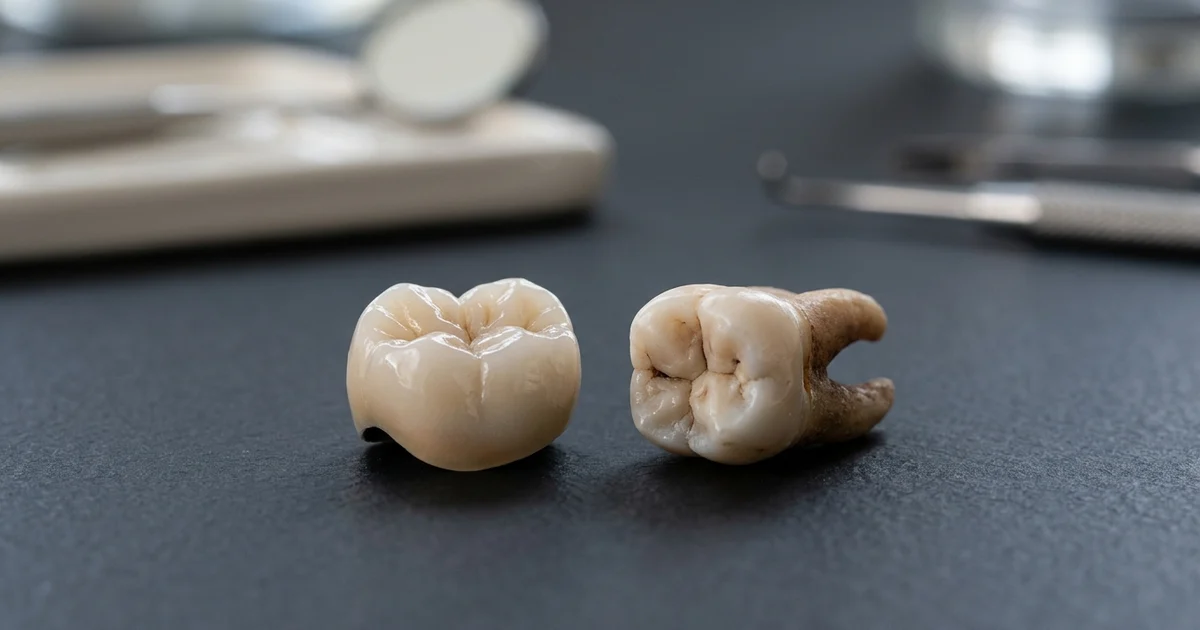
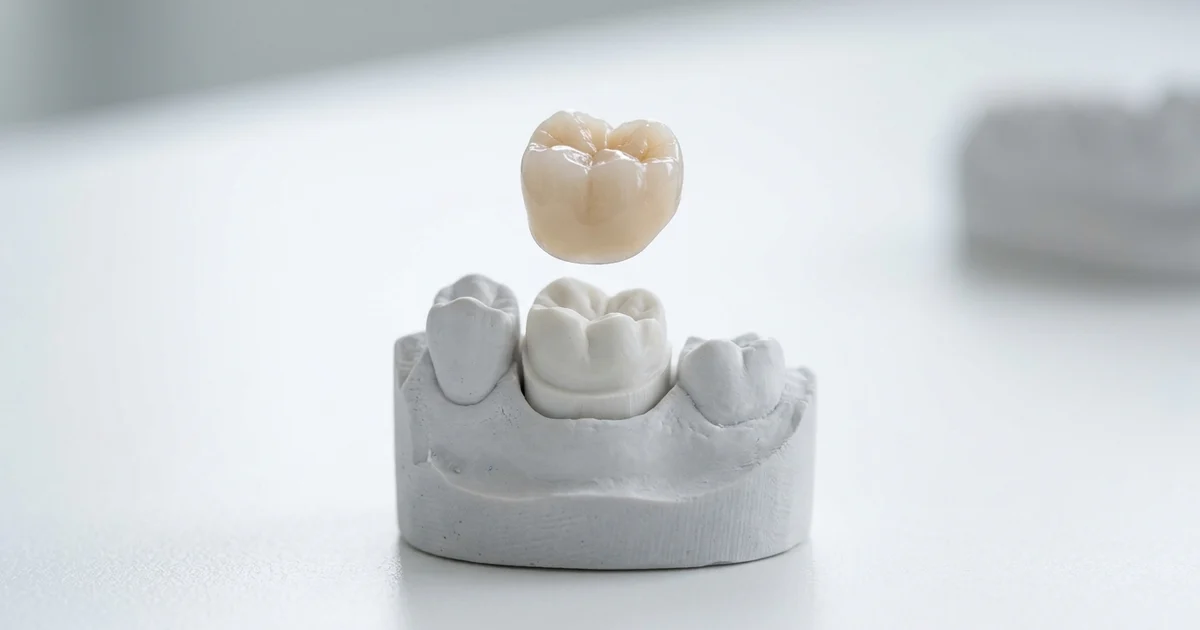
A crown wraps the whole tooth like a helmet, holding it together and spreading out bite force. That protection is why crowns are recommended so often after this procedure. Our overview of what a dental crown does explains this in more detail.
Why do back teeth almost always need a crown?
Back teeth, the molars and premolars, almost always need a crown after a root canal because they absorb the heaviest chewing and grinding forces in your mouth. A back tooth can take hundreds of pounds of force during normal chewing, and a brittle tooth without full coverage is at real risk of fracturing.
A fractured root-canaled molar can be hard or impossible to save, which sometimes means losing the tooth entirely. A crown placed in time is a far smaller and more predictable step.
For these teeth, a crown is not upselling. It is the standard of care most dentists follow because the data and everyday experience both point the same way.
Can front teeth skip the crown?
Sometimes, yes. Front teeth, the incisors and canines, take far less chewing force and often keep more of their structure after a root canal, so a well-bonded filling can be enough in the right cases. The decision depends on how much healthy tooth remains.
If a front tooth had only a small access opening and otherwise has solid walls, a filling or bonding may restore it nicely. If it was heavily decayed, darkened, or already cracked, a crown or veneer may be the better long-term choice.
So front teeth are where you most often have a genuine choice. A good dentist will lay out the trade-offs rather than assume.
What happens if you skip a needed crown?
Skipping a recommended crown raises the chance the tooth cracks or fails, sometimes within a year or two. Dental research consistently links full-coverage crowns on root-canaled back teeth with higher long-term survival than fillings alone.
A small temporary filling usually closes the tooth right after the root canal, but it is not built to handle years of chewing. Waiting too long can let the tooth flex, crack, or leak, which can undo the work and lead to a new infection. That kind of leak is the usual story behind a root canal tooth that starts hurting years later.
If money or timing is a concern, that is worth an open conversation. Options like CareCredit can help spread the cost, and protecting the tooth now usually means a simpler, more predictable outcome than waiting for it to fail and needing a larger repair. To see how a missing tooth changes things, read what happens if you do not replace a missing tooth.
How soon after a root canal should the crown go on?
In most cases the crown goes on within a few weeks of the root canal, once the tooth is comfortable and the dentist confirms it is settling well. The sooner a back tooth is protected, the lower the fracture risk during that vulnerable window. If the crown later comes off, our guide to a crown that fell off covers what to do until your visit.
Same day crown technology can sometimes shorten this even further. Our guide on same day CEREC crowns walks through how that process works.
If you want the full picture of the procedure itself, our article on what to expect from a root canal pairs well with this one.
Whether you need that crown depends on the tooth
We would rather explain the why behind a recommendation than push every patient toward the same plan. Dr. Estrada will give you a realistic read on whether your tooth needs a crown or whether a strong filling will do the job.
A back molar that does heavy chewing usually needs the protection. A front tooth with plenty of structure left sometimes doesn't. You shouldn't have to guess which camp yours falls into, and we won't push a crown you don't need just to fill the schedule. Come in and we'll look at how much tooth is left and where it sits in your bite. Explore our restorative treatments, then call (727) 869-3886 or use the contact page to book.
Frequently Asked Questions
Do all teeth need a crown after a root canal?
No. Back teeth like molars and premolars almost always need one because they handle heavy chewing force and become brittle after treatment. Some front teeth, which take far less force, can do well with a strong filling or bonding if enough healthy structure remains. Your dentist decides case by case.
How long can I wait to get a crown after a root canal?
Most dentists place the crown within a few weeks, once the tooth is comfortable. The temporary filling that closes the tooth is not built for long-term chewing, so waiting too long raises the risk of a crack or new infection. Ask your dentist what timeline fits your specific tooth.
Why is a crown recommended instead of just a filling?
A root-canaled tooth is drier and more brittle, and it often started with a large cavity or crack. A crown wraps the whole tooth and spreads bite force, much like a helmet. Studies link crowns on back teeth with higher long-term survival than fillings alone, which is why they are so common.
Can a front tooth get bonding instead of a crown?
Often yes. Front teeth take less chewing force and frequently keep more structure after a root canal, so well-bonded composite or a filling can be enough when the walls are solid. If the tooth was heavily decayed, darkened, or cracked, a crown or veneer may be the more durable choice.