For most children, dental sealants earn their keep and are not just an upsell. The CDC reports that school-age children without sealants have about three times more cavities in their back molars than children who have them. That is a meaningful drop in decay from one quick step with no drilling. Sealants protect the exact spots on the back teeth where cavities start most often. Here is how they work and when they make sense.
What are dental sealants and how do they work?
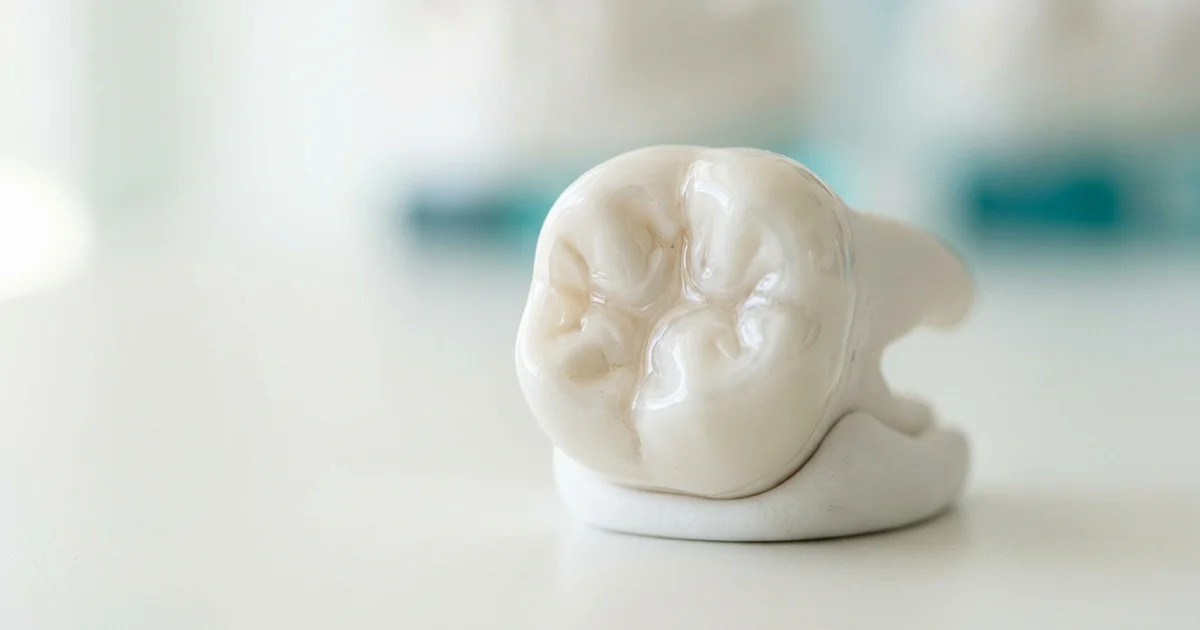
A sealant is a thin protective coating painted onto the chewing surface of a back tooth. Molars are covered in tiny grooves and pits that a toothbrush bristle cannot fully reach, and food and bacteria settle into those crevices. The sealant fills and smooths over those grooves, so the surface is easier to keep clean and harder for decay to take hold. Think of it as a raincoat for the parts of the tooth that get cavities most.
Are sealants real prevention, or just an upsell?
The evidence backs sealants as real prevention, not a sales pitch. Beyond the CDC figure showing roughly three times fewer molar cavities in kids who have them, sealants are recommended by major dental and pediatric groups precisely because they head off decay before it starts. Preventing a cavity is usually simpler and gentler for a child than treating one later. A sealant is a small step now that can save your child from a filling, and the discomfort that comes with it, down the line.
When is the best time to get sealants?
Timing matters. The best window is soon after the permanent molars come in, since that is when those grooves are fresh and cavity-free. The first permanent molars usually arrive around age 6, and the second set around age 12. Sealing them shortly after they erupt gives the best protection during the years children are most prone to cavities. They can be placed on any sound back tooth, so it is worth asking at a checkup which of your child's molars are ready.
Does getting a sealant hurt?
Not at all, which is part of what makes them so kid-friendly. There is no drilling and no numbing needed. The tooth is cleaned and dried, a gel is applied for a few seconds and rinsed off, and then the sealant is painted on and hardened with a small curing light. The whole thing takes a minute or two per tooth. For an anxious child, it is often a reassuring first taste of dental treatment that feels easy.
Do sealants replace brushing and checkups?
No, and this is the honest part. Sealants protect the chewing surfaces of the back teeth, but they do not cover the smooth sides or the spaces between teeth where flossing does the work. Your child still needs to brush twice a day, floss, and come in for regular checkups. Sealants are one layer in a fuller routine. Our overview of oral hygiene care explains how cleanings, fluoride, and sealants fit together to keep cavities away.
Find out which of your child's teeth actually need sealing
Sealants make sense on the deep grooves of certain molars, and they make no sense on teeth that are smooth and easy to brush. The honest answer for your kid depends on what their back teeth look like right now. We'll show you the grooves on the x-ray, point out what we see, and recommend a sealant only where it earns its place. Look over our preventive care, then call (727) 869-3886 or reach us on the contact page to book a checkup.
Frequently Asked Questions
Are dental sealants really worth it for kids?
For most children, yes. The CDC reports that school-age children without sealants have about three times more cavities in their back molars than those with them. Sealants are a quick, comfortable way to protect the grooves where decay starts most, which can prevent fillings later.
At what age should my child get sealants?
The best time is soon after the permanent molars come in, while their grooves are fresh and cavity-free. The first permanent molars usually arrive around age 6 and the second set around age 12. Sealing them shortly after they erupt gives the strongest protection during the high-cavity years.
Does getting a sealant hurt?
No. There is no drilling and no numbing. The tooth is cleaned and dried, a gel is applied briefly and rinsed off, then the sealant is painted on and set with a small light. It takes a minute or two per tooth.
Do sealants mean my child can skip brushing?
No. Sealants protect only the chewing surfaces of the back teeth, not the smooth sides or the spaces between teeth. Your child still needs to brush twice a day, floss, and keep up regular checkups. Sealants are one layer of protection within a fuller routine.