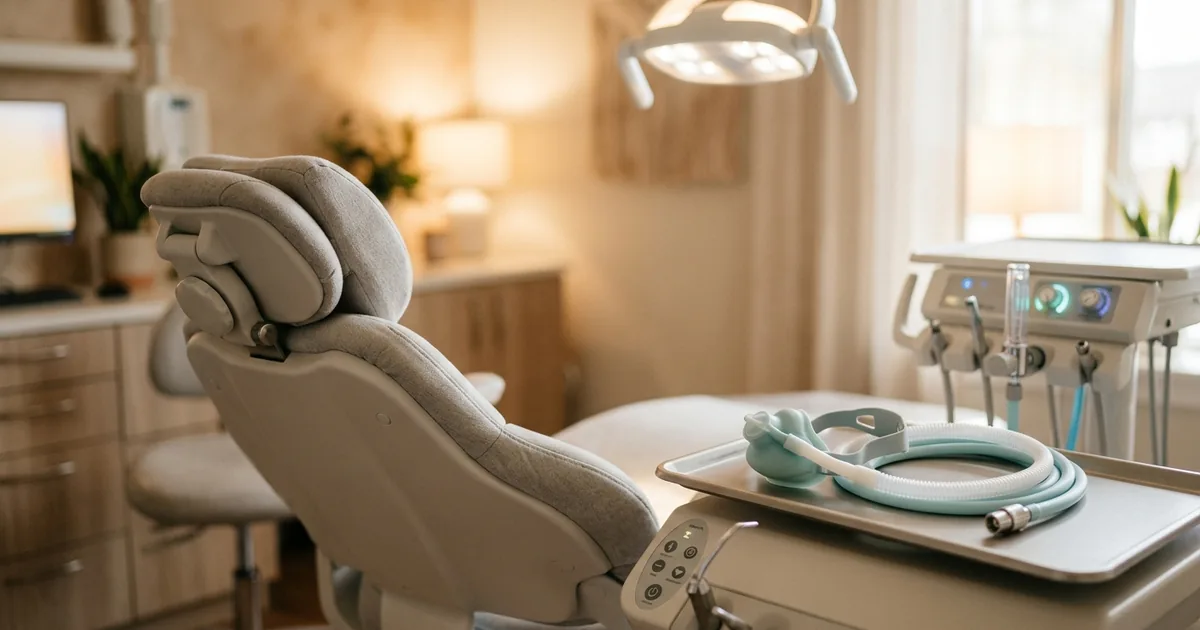
If you have an extraction or oral surgery coming up, sedation can turn a procedure you are dreading into one you barely remember. From a single tricky extraction to longer surgical work, sedation keeps you relaxed and comfortable while Dr. Estrada does what needs doing. You stay safe and monitored the whole time, and the right level of sedation depends on the procedure and on you. Knowing your options ahead of time lets you walk in calm instead of anxious.
Why sedation helps with surgery
Surgical visits can be longer and feel more intense than a routine filling, and that is exactly where sedation earns its place. It keeps you relaxed so the time passes easily and you are not tensing through every minute. In a peer-reviewed study of nitrous oxide during oral surgery, most patients appeared calm and relaxed and treatment succeeded in the large majority of cases. Comfort is not just a nicety here, because a relaxed patient makes for a smoother, safer procedure.
The options, from light to deep
- Nitrous oxide. Light and fast-acting, it takes the edge off and wears off quickly, so for many extractions it is enough on its own.
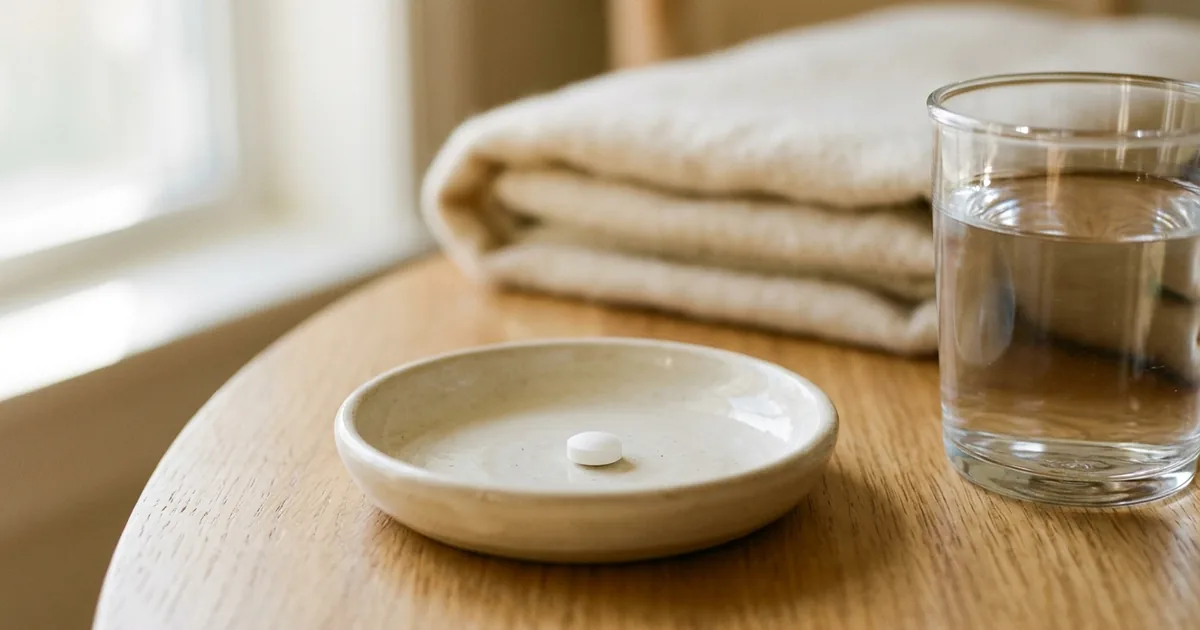
- Oral sedation. A pill taken beforehand leaves you drowsy and deeply relaxed, a good fit for more involved work or higher anxiety.
- IV sedation. Delivered through a vein for the deepest relaxation and precise control, often chosen for surgical extractions or longer procedures.
We compare all three in detail in our post on nitrous, oral, and IV sedation, which helps you see where you fit.
You are monitored the whole time
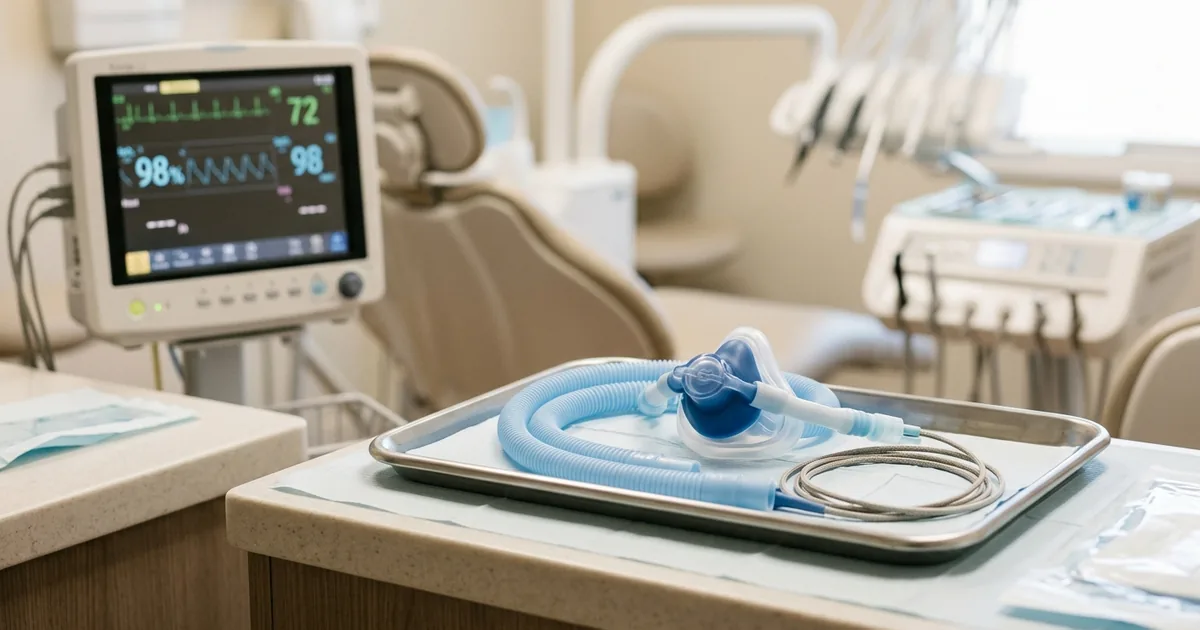
Safety is built into sedation. Your vital signs are watched throughout, and with deeper sedation the team monitors things like heart rate and blood pressure and adjusts as needed. This continuous monitoring is a core part of why sedation is considered safe for healthy patients when it is done properly. We cover the safety side thoroughly in our post on whether sedation dentistry is safe.
Which option fits your procedure
The right level depends on the surgery and on you. A straightforward extraction might call for nitrous oxide, while a surgical extraction or longer procedure may suit oral or IV sedation. Your anxiety level, your gag reflex, and how long the visit will run all factor in. Dr. Estrada matches the sedation to the procedure and to your comfort, so you get exactly the level you need and no more.
Walk in calm, not bracing for it
An extraction you've been bracing for doesn't have to be one you tough out wide awake. Before anything starts, Dr. Estrada will match the sedation to the work ahead and to you, then keep watch on you the whole time. He'll explain each option in plain language, in English or Spanish, so the choice is yours. The sedation dentistry page shows how it fits the rest of your care, and a tablet before the visit is the level most extraction patients end up choosing. To ask which level suits your extraction, call (727) 869-3886 or request a visit through our contact page. You can rest through it.
Frequently Asked Questions
Can I be sedated for a tooth extraction?
Yes. Sedation is commonly used for extractions and oral surgery, ranging from light nitrous oxide for a straightforward removal to oral or IV sedation for surgical extractions and longer procedures. It keeps you relaxed and comfortable while you stay safe and monitored throughout.
Which sedation is best for oral surgery?
It depends on the procedure and on you. A simple extraction may only need nitrous oxide, while a surgical extraction or longer procedure often suits oral or IV sedation for deeper relaxation. Your anxiety, gag reflex, and the length of the visit all factor in, and Dr. Estrada matches the level to your needs.
Is sedation safe during a surgical procedure?
When done properly, yes. Your vital signs are monitored throughout, and with deeper sedation the team watches things like heart rate and blood pressure and adjusts as needed. That continuous monitoring is a core reason sedation is considered safe for healthy patients. We cover this fully in our post on whether sedation dentistry is safe.
Will I remember the extraction if I am sedated?
It depends on the depth of sedation. Lighter nitrous oxide keeps you relaxed but aware, while deeper oral or IV sedation often leaves patients with little memory of the procedure. Many people who were anxious are surprised by how easy the visit felt afterward.