
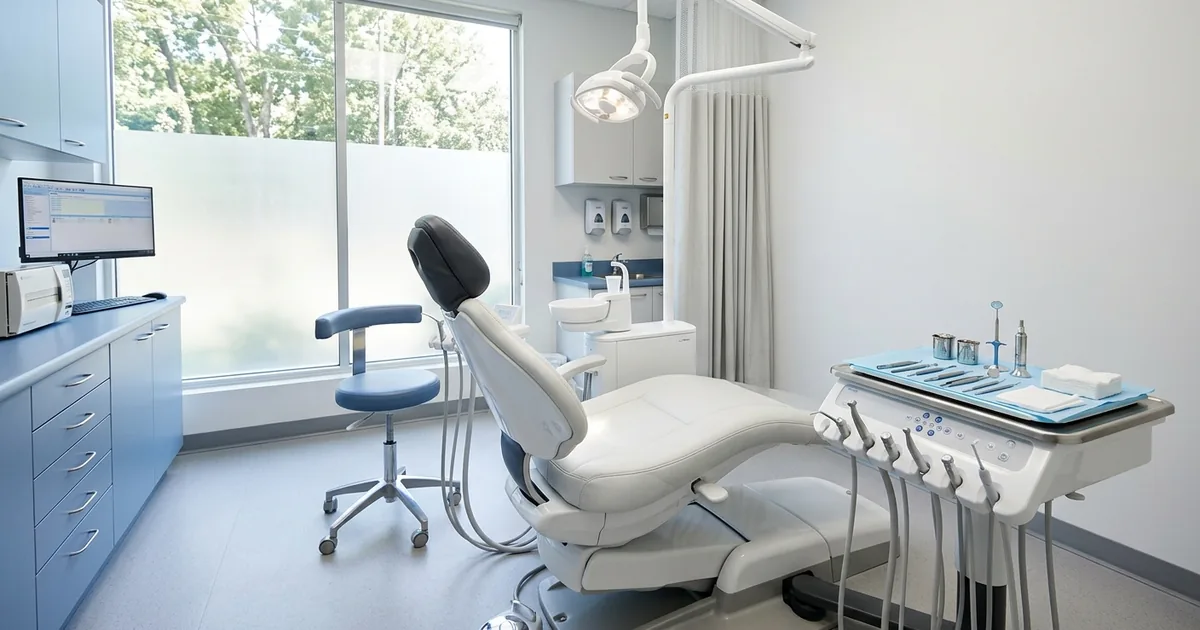
All-on-4 surgery day sounds bigger than it is. It is a planned, well-rehearsed procedure, and you are kept comfortable the whole way through. In a single longer appointment, the implants are placed and a set of fixed temporary teeth goes on, so you leave with a smile the same day. Knowing how the day flows ahead of time takes most of the nervousness out of it, so here is the appointment start to finish.
Before the day: planning
By the time you arrive for surgery, the hard thinking is already done. Dr. Estrada will have examined your mouth, taken imaging to map your bone, and planned exactly where the implants go. That planning is what makes the day itself go smoothly. You will also have talked through comfort options, so you know what to expect and have a plan to get home afterward if you are having deeper sedation.
Staying comfortable during surgery
Placing the implants is done with anesthesia, and the procedure typically takes a few hours while keeping you comfortable. Because it is a longer appointment, many patients choose sedation so the time passes easily and they stay relaxed throughout. The American Association of Oral and Maxillofacial Surgeons, whose specialists are trained in both implant placement and anesthesia, reports implant success rates of up to 95 percent, so this is a well-established procedure with a strong track record. If the length of the visit is what worries you most, sedation is the answer to that, and we explain the options in our post on nitrous, oral, and IV sedation.
Placing the implants and your new teeth
During the appointment, the implants are positioned in your jaw according to the plan, typically four per arch that act as the anchors for a full bridge. Once they are placed, a set of fixed provisional teeth is attached, which is what lets you walk out with a smile the same day. Studies of immediately loaded implants, where teeth go on at or near placement, report high long-term survival, so the same day teeth are a well-established approach, not a shortcut.
Leaving with a smile, and what comes next
You leave the same day with fixed temporary teeth you can smile and eat soft foods with. Over the next few months, the implants fuse to your bone, and once that healing is complete, your final, permanent teeth are placed. We will give you clear aftercare guidance for the soft-food phase, which we walk through in our post on eating and recovery after All-on-4. So the day you have been picturing, walking out with teeth, really does happen, with the final step following after your jaw heals.
Walk in knowing what your surgery day holds
Nothing settles nerves like having your questions answered by the person who'll be doing the procedure. Dr. Estrada walks you through your own plan, the comfort options open to you, and a step-by-step of how the day itself unfolds, so there are no surprises waiting for you. Ask him anything; that's what the consultation is for. The full mouth dental implants page gives you the overview, and All-on-4 in Hudson covers how the day runs at our Little Road office. When you're ready to talk specifics, call (727) 869-3886 or request a consultation through the contact page. Ready beats nervous every time.
Frequently Asked Questions
How long does an All-on-4 appointment take?
It is a longer single visit, typically taking a few hours while anesthesia keeps the area numb and you stay comfortable. Because of the length, many patients choose sedation so the time passes easily. The exact duration depends on your case and is reviewed with you during planning.
Do I leave with teeth the same day?
Yes. After the implants are placed, a set of fixed provisional teeth is attached the same day, so you walk out with a smile. Those are a strong temporary set you can eat soft foods with. Your final, permanent teeth are placed a few months later, once the implants have fused to your bone.
Will the surgery hurt?
The procedure is done with anesthesia that numbs the area, and many patients add sedation to stay relaxed through the longer appointment. Afterward, some swelling and soreness are normal as you heal and are usually manageable with what Dr. Estrada recommends. If the length or nerves worry you, sedation addresses both.
How should I prepare for All-on-4 surgery day?
Most preparation happens beforehand through exams, imaging, and planning, so the day itself goes smoothly. Follow any instructions Dr. Estrada gives you ahead of time, and if you are having deeper sedation, arrange for a responsible adult to drive you home. We will go over everything with you in advance.