Cavities are one of the most common dental problems, especially in children, and the back teeth are where they show up most. Even with good brushing and flossing, the deep grooves and pits in the molars are hard to clean, and food and bacteria collect there. Dental sealants give those surfaces an extra layer of protection. They are quick to apply, easy to sit through, and one of the simplest ways to head off decay before it starts. Here is how they work and who benefits most.
What Dental Sealants Are
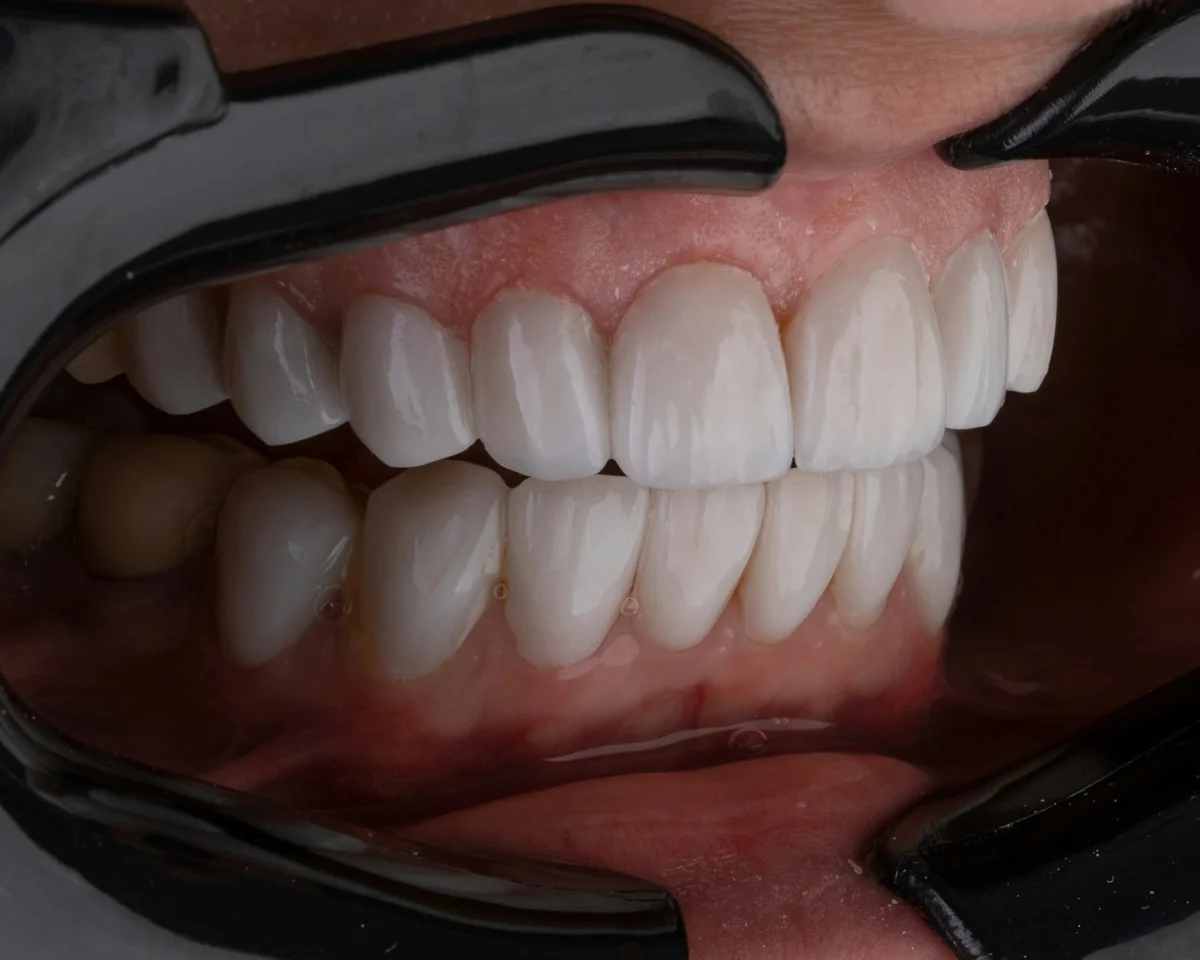
A dental sealant is a thin, protective coating that Dr. Estrada applies to the chewing surfaces of the back teeth. Once it is in place, the sealant flows into the grooves and pits and hardens into a smooth barrier that keeps food, plaque, and bacteria out. Think of it as sealing off the tiny crevices where a toothbrush bristle simply cannot fit. The coating is tooth colored or clear, so it blends in, and it does its work quietly in the spots that are most prone to decay.
Why Back Teeth Get the Most Cavities
The molars do the heavy lifting of chewing, and their surfaces are anything but smooth. They are covered in deep grooves and fissures that trap food particles and bacteria. Those grooves are often narrower than a single toothbrush bristle, which means even careful brushing leaves some of them only partly cleaned. Add in the sugary and sticky foods that children love, and the back teeth become the first place cavities tend to form. Sealing those grooves removes the hiding spot before decay can take hold.
How Sealants Are Applied
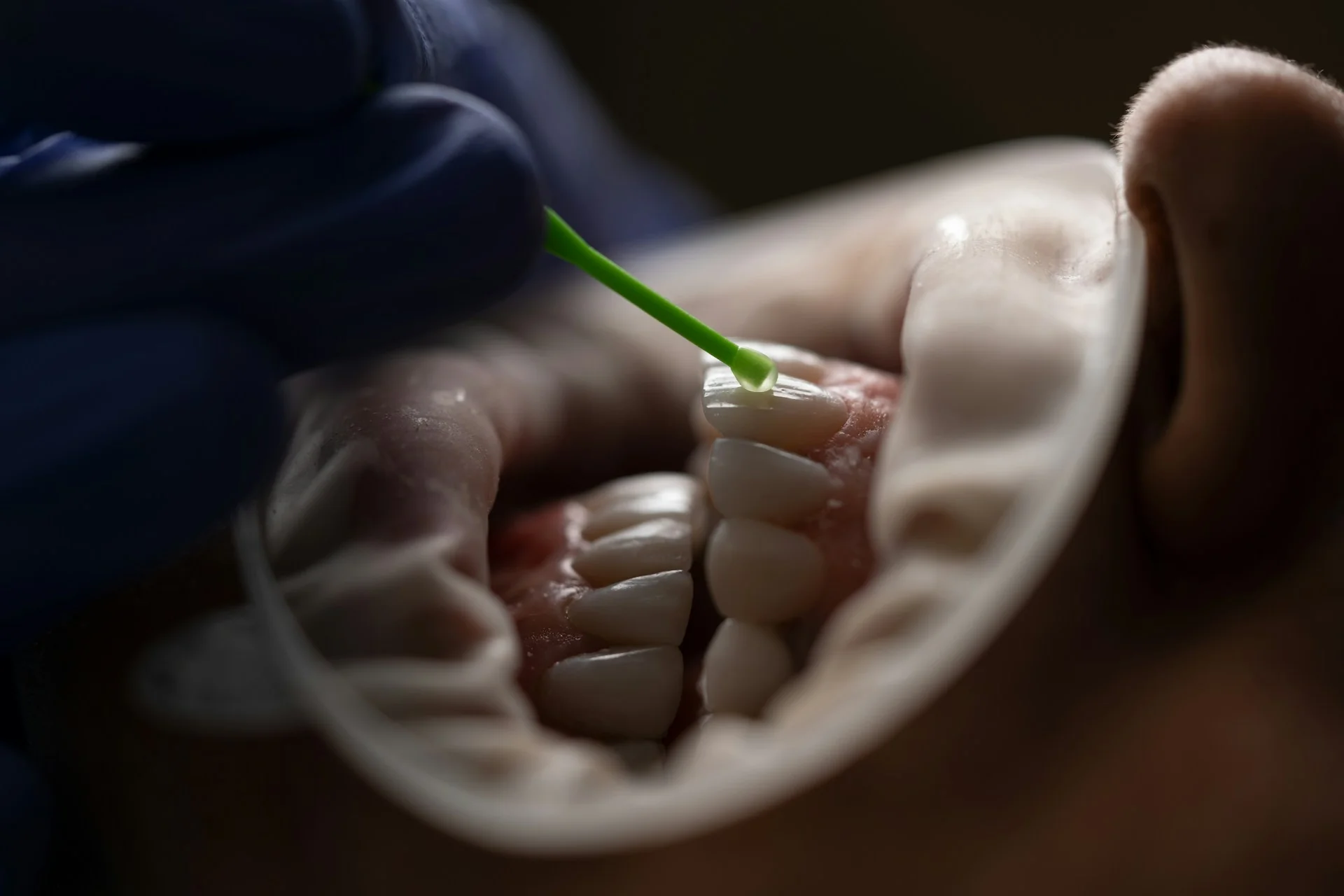
Getting a sealant is one of the easiest visits you can have. There is no drilling and no numbing needed. First, Dr. Estrada cleans the tooth thoroughly and dries it. Next, a mild solution is applied to help the sealant bond, and the tooth is rinsed and dried again. Then the sealant is painted onto the chewing surface and flows into the grooves. A curing light hardens it in seconds. The whole process takes only a few minutes per tooth.
Who Should Get Sealants
Children benefit most, and timing matters. We often place sealants soon after the permanent molars come in, usually around ages six and again around twelve, so the grooves are protected from the start during the cavity-prone years. Adults are good candidates too, especially those with deep grooves in their molars or a history of decay. If your back teeth catch food easily or you have had cavities there before, sealants may be worth considering. Dr. Estrada can tell you at an exam whether they make sense for you.
How Long They Last and Caring for Them
With proper care, sealants can last several years before they need attention. They take the normal wear of chewing, so they can gradually thin or chip over time. We check them at your regular visits and can touch them up or reapply them if needed, which keeps the protection going. Sealants do not replace daily habits. Brushing twice a day, flossing, and keeping up with cleanings all help the sealant last and protect the rest of the tooth that a sealant does not cover.
Sealants and Fluoride Together
Sealants and fluoride protect teeth in different ways, which is why they work so well as a pair. A sealant physically blocks food and bacteria out of the deep grooves on the chewing surface. Fluoride strengthens the enamel across the whole tooth, including the smooth sides that a sealant does not cover, and helps it resist acid. Used together, they cover both the trouble spots and the broader surface. You can read more in our guide to fluoride treatments.
Combined with good brushing, flossing, and regular checkups, sealants help keep your teeth healthy and strong. We recommend them for children and adults at higher risk of cavities. Sealants are most often placed on children, and our children's dentistry page covers how those visits go. To learn more about how sealants and preventive care can protect your smile, call Estrada Dentistry at (727) 869-3886 and we will be happy to help.
Frequently Asked Questions
Are dental sealants only for children?
No. While sealants are most often placed on children's molars as their permanent teeth come in, adults benefit too, especially if they have deep grooves in their back teeth or are prone to cavities. Dr. Estrada can tell you whether sealants make sense for your situation.
How long do dental sealants last?
With proper care, sealants can last several years. Dr. Estrada will check them at your regular visits and can reapply or touch them up if they wear down over time. Good brushing, flossing, and routine cleanings help them last as long as possible.
Does getting a sealant hurt?
Not at all. Applying a sealant is quick, gentle, and non-invasive. The tooth is cleaned and dried, then the sealant is painted onto the surface and hardened. There is no drilling and no need for numbing, which makes it an easy step for kids and adults alike.
Can you put a sealant on a tooth that already has a cavity?
A sealant is meant to protect a healthy tooth, not to treat existing decay, so we would not seal over a real cavity. If Dr. Estrada spots a very early, surface-only change, he may decide a sealant is still appropriate and watch it closely. A tooth with an actual cavity needs a filling first, which we can handle at the same kind of visit.