For most people the best toothbrush is a soft-bristled one, manual or electric, with a head small enough to reach the back teeth, replaced every three to four months. The toothbrush aisle still offers plenty of choices, though, and understanding the differences can help you pick the one that fits your smile.
Bristles First, Everything Else Second
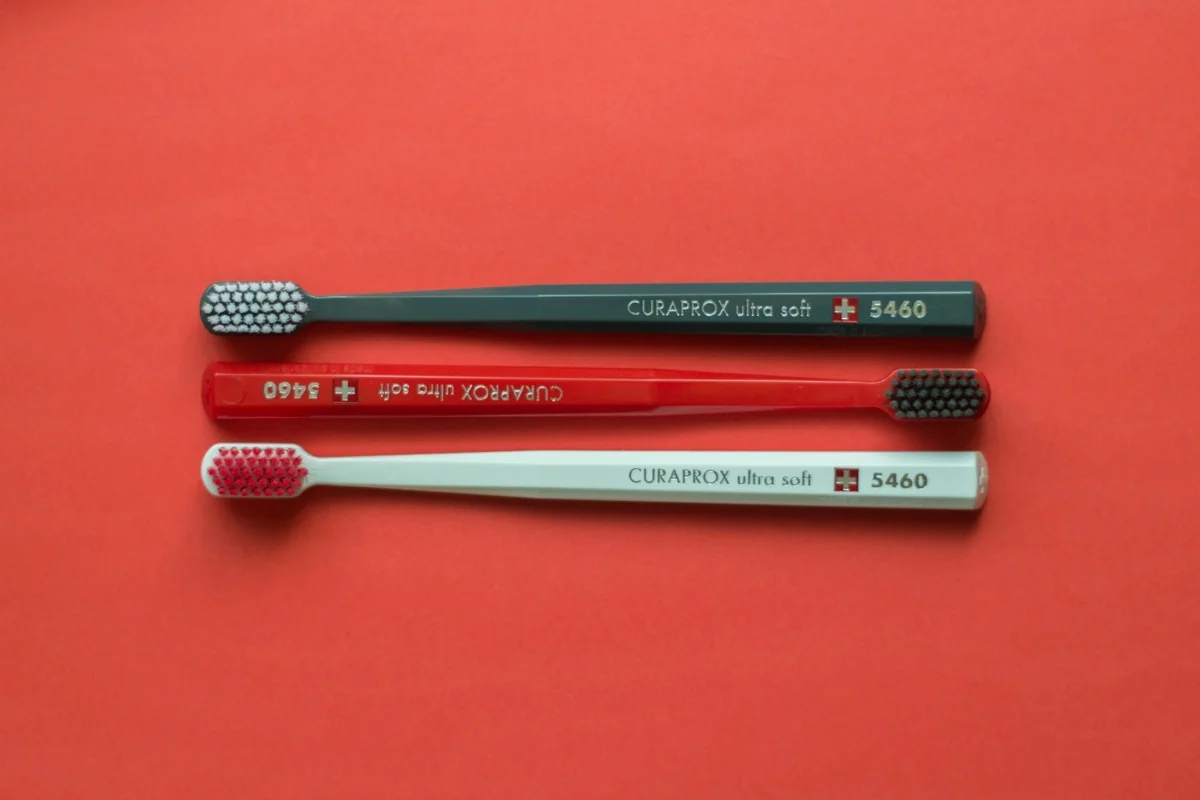
Bristle type matters more than anything else when choosing a toothbrush. Soft bristles are generally the safest and most effective option, as they can clean your teeth and gums without causing damage. Hard bristles, on the other hand, may wear down enamel and irritate your gums over time, one of the everyday habits we flag in our list of things to avoid when you protect your teeth. For most people, a soft-bristled toothbrush, whether manual or electric, is the best choice. If your gums bleed when you brush or your teeth feel sensitive near the gumline, mention it at your next visit, because a too-firm brush or a heavy hand is often part of the story.
Electric or Manual?
Electric toothbrushes offer additional benefits, such as built-in timers and pressure sensors to ensure a thorough, gentle clean. Research compiled by the American Dental Association shows that electric toothbrushes can remove more plaque than manual ones, making them a good option for those who need extra help with oral hygiene. However, a manual toothbrush can be just as effective if used properly with good technique.
Certain situations tip the scales toward electric. Patients with arthritis or limited grip strength tend to get a better clean with less effort from a powered handle. People who brush too hard benefit from a pressure sensor that lights up when they press. And anyone wearing braces usually finds an electric brush reaches around brackets more easily. On the other hand, a manual brush costs a few dollars, travels well, and never needs charging. There is no wrong answer here, only what fits your hands and your habits.
Head Size and Shape
Beyond bristle type and power source, consider the size and shape of the toothbrush head. A smaller head can make it easier to reach those hard to clean areas in the back of your mouth. Angled or contoured heads can also help improve cleaning effectiveness. The best toothbrush is simply the one that you feel comfortable using twice a day.
Kids Need Their Own Brush, Not a Smaller Version of Yours
Children do best with a brush sized for their age, with a small head, a chunky handle little hands can hold, and always soft bristles. A brush with a favorite character on it is not a gimmick if it gets a six year old brushing willingly for two minutes. Parents should plan on helping with brushing until roughly age seven or eight, since young kids simply do not have the dexterity to clean every surface on their own yet.
Technique Beats Equipment
The honest truth is that a five dollar brush used well outperforms a two hundred dollar brush used badly. Two minutes, twice a day, with the bristles angled toward the gumline and gentle circular motions, cleans far more effectively than a hard thirty-second scrub. Rinse your brush after each use, store it upright where it can air dry, and never share it with anyone.
No matter what toothbrush you choose, replacing it every three to four months, or sooner if the bristles become frayed, is essential for optimal cleaning. Need more personalized advice on selecting the right toothbrush? Schedule an oral hygiene appointment at Estrada Dentistry, and we'll guide you to the best option for your unique oral health needs. Good brushing also pairs well with fluoride treatments for stronger enamel.
Frequently Asked Questions
Should I use a soft or hard-bristled toothbrush?
Soft bristles are the safest choice for almost everyone. They clean your teeth and gums effectively without wearing down enamel or irritating your gumline. Hard bristles can do more harm than good over time. If you are unsure, Dr. Estrada can recommend the right brush at your next visit.
Is an electric toothbrush better than a manual one?
Electric toothbrushes can remove more plaque and often include helpful features like timers and pressure sensors. That said, a manual brush works just as well when used with good technique twice a day. The best brush is the one you will use consistently and comfortably.
How often should I replace my toothbrush?
Replace your toothbrush, or the head of an electric one, every three to four months. Swap it sooner if the bristles look frayed or splayed out, since worn bristles clean poorly. It is also a good idea to replace your brush after being sick.