That sharp, sudden jolt when you sip something cold, bite into ice cream, or breathe in winter air is tooth sensitivity, and it is one of the most common dental complaints there is. Most of the time it comes down to the protective outer layer of the tooth being worn or the root being exposed, which lets temperature and sweets reach the sensitive inner tooth. Some causes are easy to manage at home, while others point to a problem that needs treatment. Understanding what is behind sensitive teeth points the way to lasting relief.
What causes tooth sensitivity
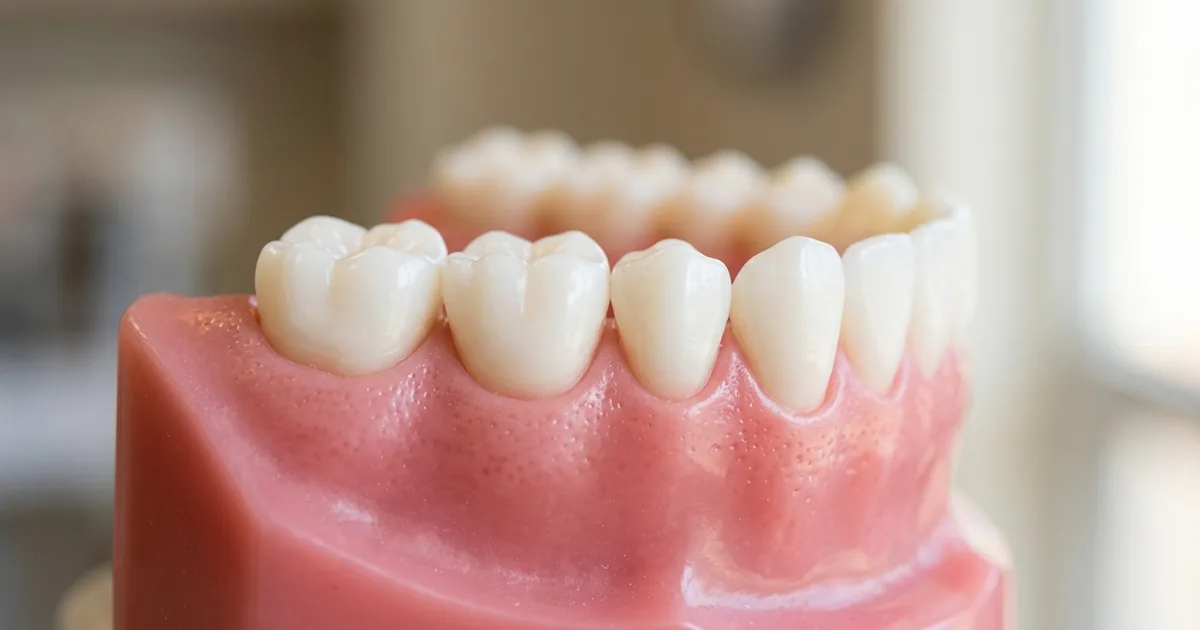
Sensitivity usually happens when the inner part of the tooth loses its shielding. Your enamel protects the crown of the tooth, and your gums protect the root. When enamel wears thin or gums recede and expose the root, the tiny channels that lead to the tooth's nerve are no longer covered, so hot, cold, and sweet sensations get through. Common culprits include worn enamel from aggressive brushing or grinding, gum recession, a cavity, a cracked tooth, or a worn filling. Even whitening can cause temporary sensitivity that settles down.
The everyday triggers
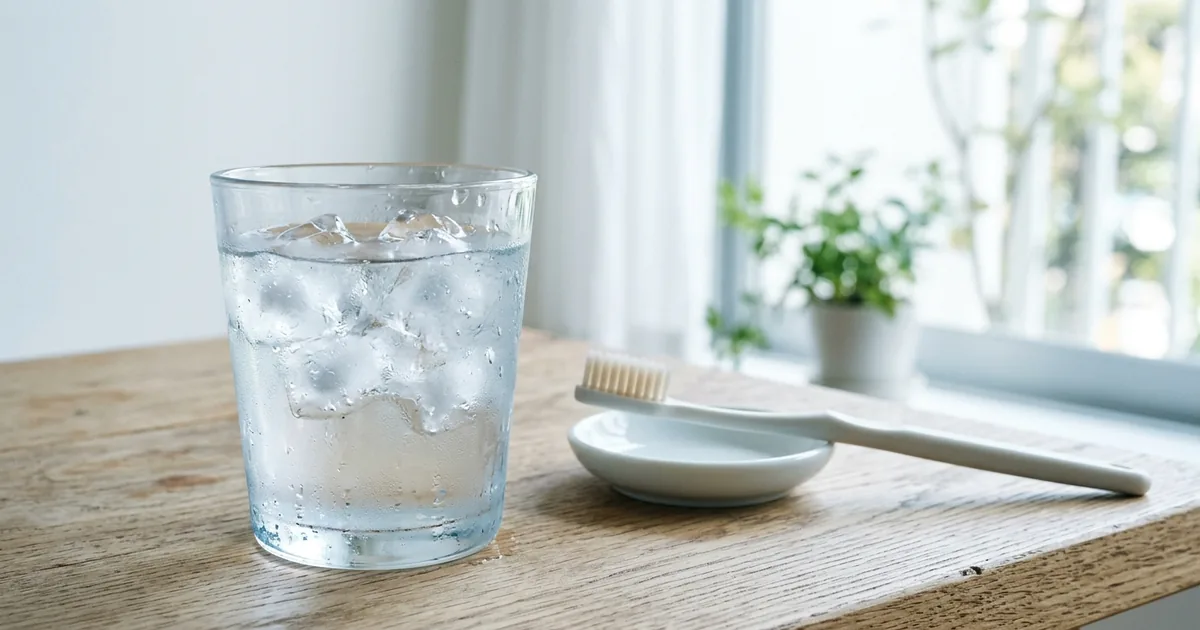
- Cold. Cold drinks, ice, and cold air are the classic triggers for sensitive teeth.
- Heat and sweets. Hot drinks and sugary foods can set off the same sharp response.
- Brushing. Sensitivity while brushing, especially near the gumline, often points to exposed roots.
- Pressure. A jolt specifically when biting down can suggest a crack rather than simple sensitivity.
How to find relief
For everyday sensitivity, a few simple steps help. A desensitizing toothpaste made for sensitive teeth can reduce the response over a few weeks of regular use. Switching to a soft-bristled brush and easing up on pressure protects enamel and gums from further wear. Fluoride strengthens enamel and can calm sensitivity, which is one reason professional fluoride treatments help, as we cover in our post on fluoride treatments. And since gum recession is a frequent cause, protecting your gums matters, a topic we go into in our post on gum recession.
When sensitivity means something more
Not all sensitivity is harmless wear. If it is sharp and tied to biting down, lingers long after the trigger is gone, or centers on one specific tooth, it can signal a cavity, a cracked tooth, or a problem reaching the nerve. Our post on cracked tooth syndrome covers that biting-pain pattern. Sensitivity that is getting worse, or pain that does not fade, is worth an exam rather than just more toothpaste, because the underlying cause may need treatment.
Find out what's setting off the sensitivity
That wince when cold air or ice cream hits a tooth is your body flagging something, whether it's thinning enamel, a receding gumline, or a small crack you can't see. Call (727) 869-3886 and we'll get you in. Dr. Estrada can trace it to the source and tell you whether a desensitizing routine fixes it or there's a tooth that needs attention first, and he'll walk you through what he finds on the screen so it's clear what you're dealing with. Read more on our general dentistry page, or reach us through our contact page.
Frequently Asked Questions
Why are my teeth suddenly sensitive?
Sensitivity usually means the inner tooth has lost some shielding, either from worn enamel or an exposed root. Common causes include aggressive brushing, grinding, gum recession, a cavity, a cracked tooth, or a worn filling. Whitening can also cause temporary sensitivity. If it is new or worsening, it is worth having checked to find the cause.
How can I relieve sensitive teeth?
Try a desensitizing toothpaste made for sensitive teeth used regularly over a few weeks, switch to a soft-bristled brush, and ease up on brushing pressure. Fluoride strengthens enamel and can calm sensitivity. If these do not help or the sensitivity is worsening, see your dentist, since the cause may need treatment.
Does sensitivity mean I have a cavity?
Not always. Much sensitivity is from worn enamel or exposed roots rather than decay. But sensitivity that is sharp on biting, lingers after the trigger is gone, or centers on one specific tooth can point to a cavity, a cracked tooth, or a nerve issue. Those patterns are worth an exam rather than just more toothpaste.
Is whitening supposed to make teeth sensitive?
Some temporary sensitivity after whitening is common and usually settles down on its own within a short time. Using a toothpaste for sensitive teeth can help in the meantime. If sensitivity after whitening is severe or does not fade, let us know so we can check that nothing else is going on.