Suffering From Bone Loss?
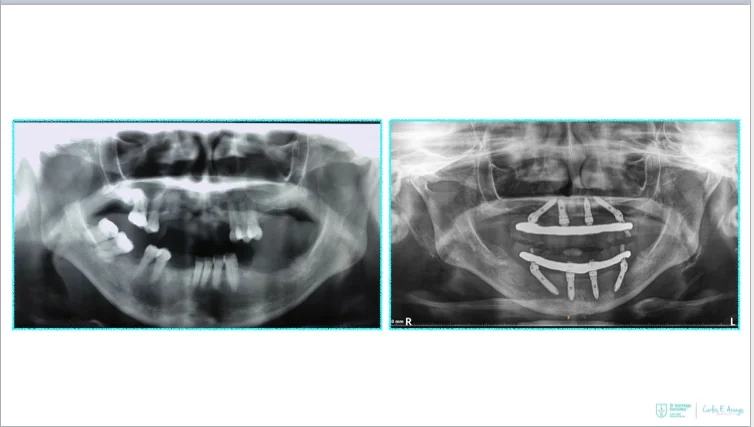
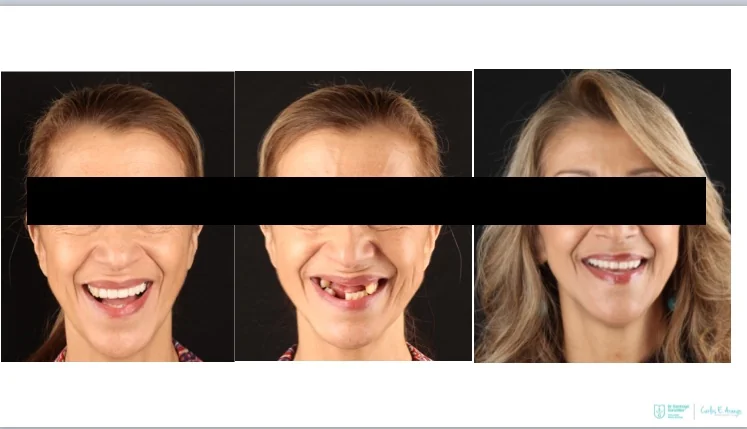
Estrada Dentistry has multiple dental implant solutions depending on the severity of bone loss. Being told you have lost bone in your jaw is not the end of the conversation about implants. For many of our patients it is actually where the conversation starts, because the techniques below were developed specifically for jaws with less bone to work with.
Why Bone Loss Happens After Teeth Are Lost
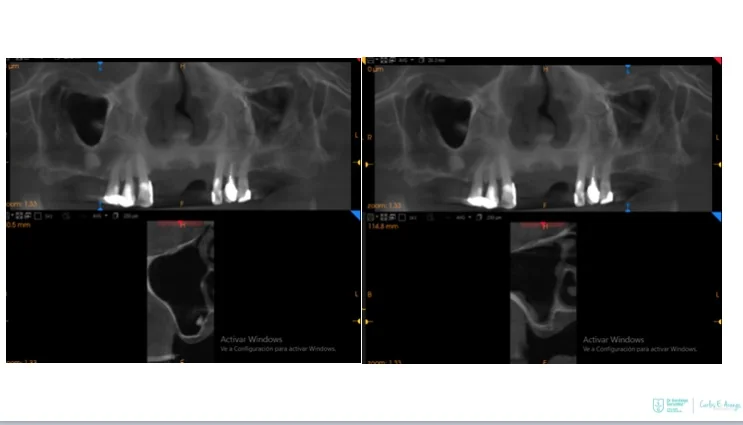
Your jawbone stays strong the same way muscle does: by being used. Every time you chew, the roots of your teeth press into the bone and keep it stimulated. When a tooth is lost, that stimulation stops, and the bone in that spot begins to shrink. The longer teeth have been missing, the more the ridge flattens out, which is why long-time denture wearers often notice their denture getting looser over the years even though the denture itself has not changed. It is the jaw underneath that is changing. This is also why waiting rarely improves your options. Without treatment, the bone you have today is the most you will have going forward, and treatment can put it to work.
What is the All-on-4 treatment concept?
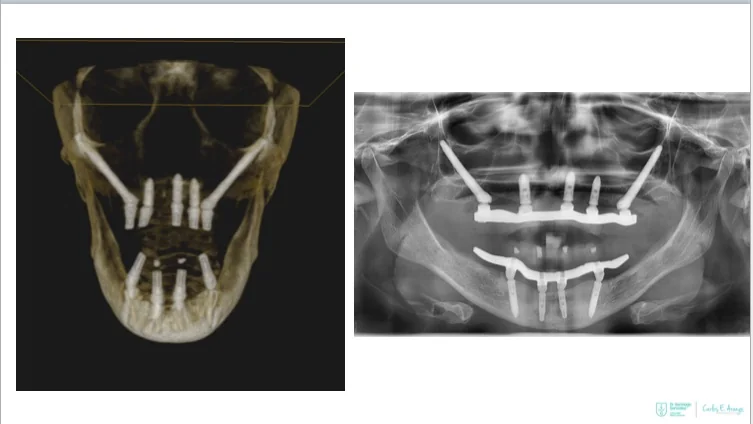
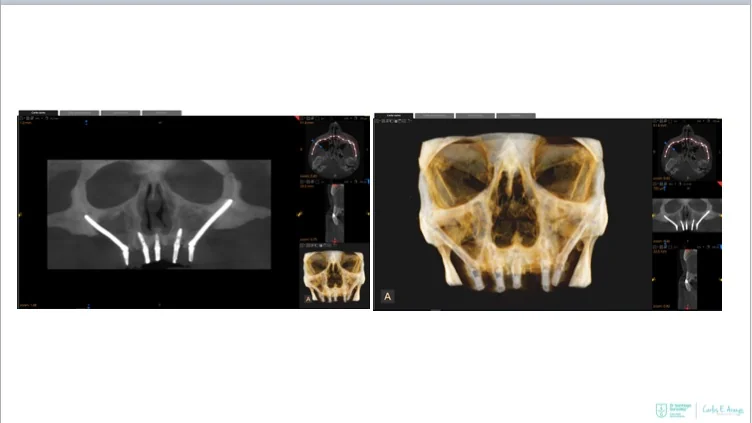
The All-on-4® treatment concept is an efficient, graftless solution that provides patients with a fixed full arch prosthesis on the day of surgery. You can read more in our overview of the All-on-4 dental implant benefits and process.
Characteristics include:
- Full arch rehabilitation with only four implants
Two straight anterior implants and two implants tilted up to 45º in the posterior - Immediate Function (fixed provisional bridge)
For patients meeting criteria for immediate loading of implants - Graftless Procedure: Bone grafting is avoided by tilting the posterior implants, utilizing available bone.
How We Find Out What Your Jaw Can Support
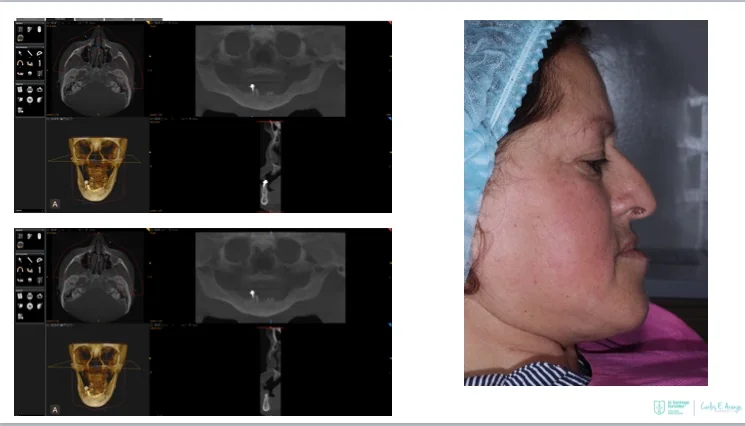
None of this gets decided by guesswork. Your visit starts with an exam and imaging so Dr. Estrada can see exactly how much bone you have and where it is strongest. From there he walks you through what your jaw can support: sometimes that is All-on-4, sometimes a bone graft to rebuild a specific area first, and sometimes a combination. Patients who were turned down for implants years ago are often surprised by what is possible now, which is why we encourage a fresh look even if you have been told no before. Dr. Estrada has placed and restored implants for over 30 years and handles the entire process at our Hudson and Port Richey offices, so the person who plans your case is the same person who carries it out.
Smile Again: Full mouth dental implants
Four implants can replace all of the teeth on the top or the bottom. Dental implant technology advances have paved the way for innovative new solutions. Learn how this works on our full mouth dental implants page, or see how we approach All-on-4 across Pasco County. If cost is part of what has held you back, our pages on Medicare and dental care and payment and financing cover what we accept. If bone loss has been the reason you have gone without fixed teeth, call (727) 869-3886 and find out where you actually stand.
Frequently Asked Questions
Can I get dental implants if I have bone loss?
Often, yes. Bone loss does not automatically rule you out. Solutions like the All-on-4 concept tilt the back implants to use the bone you already have, which can avoid grafting entirely. An exam with Dr. Estrada is the way to find out which option fits your situation.
How does All-on-4 avoid bone grafting?
All-on-4 places two straight implants in the front and two tilted implants in the back of the jaw, taking advantage of available bone where it is densest. By angling the posterior implants, it sidesteps the need for time-consuming grafting in many cases. That means a shorter overall timeline to your new smile.
How many implants are needed to replace a full arch of teeth?
Just four precisely placed implants can support a full arch of teeth on the top or bottom. You do not need an implant for every missing tooth. The implants fuse with the jawbone to create a strong, lasting foundation for a fixed set of teeth.
Do implants help prevent further bone loss?
Yes. Because a titanium implant fuses with the jawbone and functions like a natural tooth root, it helps stimulate and preserve the bone around it. This can prevent the ongoing bone loss that follows missing teeth and helps maintain a more youthful facial structure over time.